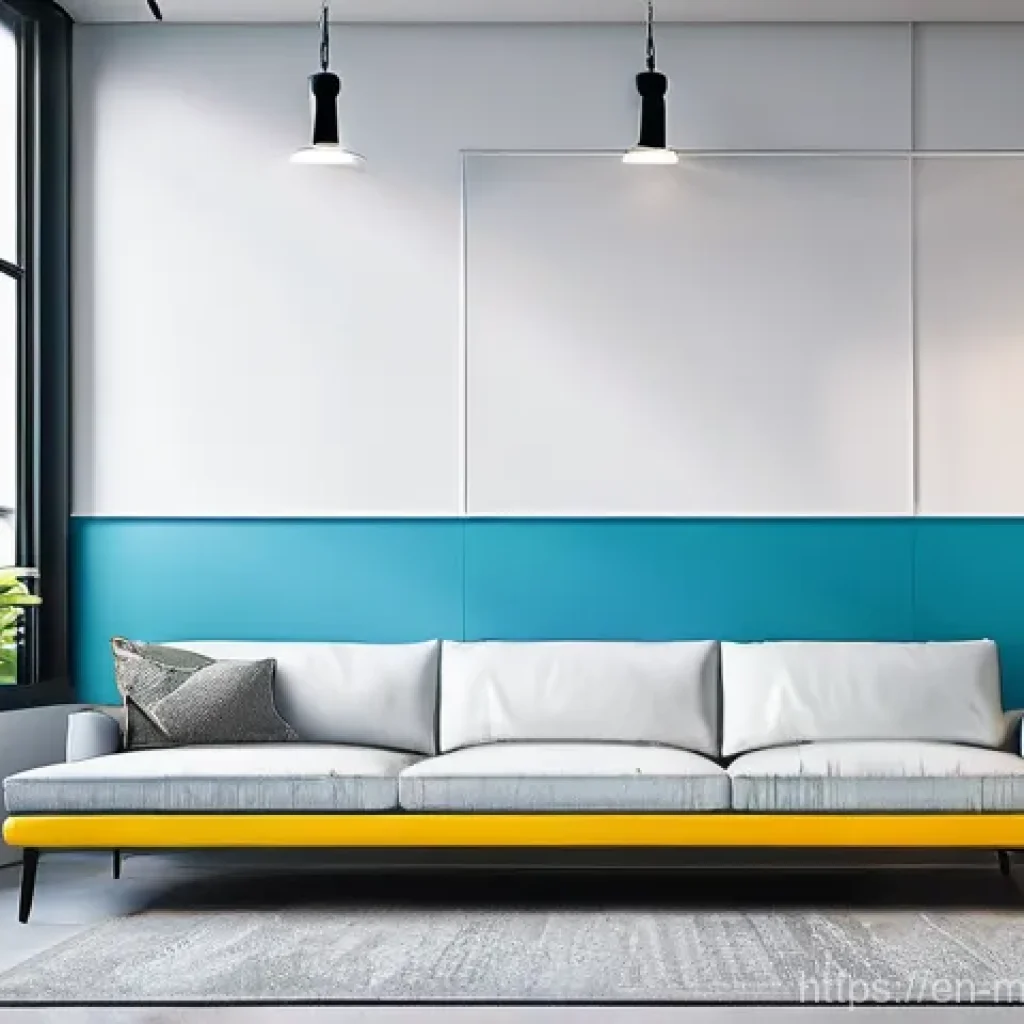
Hey there, fellow space-seekers! Ever walk into your home after a long day, hoping for a sanctuary, only to be met by… well, *stuff* everywhere? I totally get it.
For years, my apartment felt more like a storage unit than a haven. I’d buy things, thinking they’d bring joy or convenience, but all they really brought was visual clutter and a subtle sense of overwhelm.
It was exhausting just looking at it all, let alone trying to find anything! Sound familiar? That’s when I finally decided enough was enough.
I started exploring the world of minimalist living, not just as a fleeting trend, but as a genuine, sustainable solution to reclaim my personal space and, surprisingly, my peace of mind.
It wasn’t about deprivation; it was about intention. I began to realize how much our physical environment impacts our mental well-being and productivity, especially in our increasingly demanding lives.
The future of living, as I’ve experienced firsthand, isn’t about having more, but about thoughtfully curating what truly serves us. This shift not only transformed my small city apartment into a functional, beautiful retreat but also surprisingly boosted my creativity and focus.
If you’re ready to transform your own corner of the world into a sanctuary that truly reflects *you*, without feeling overwhelmed or losing your unique style, then you’re in the right place.
Let’s uncover exactly how to achieve that peaceful, optimized personal space.
Reclaiming Your Space: The Art of Mindful Decluttering

This is where the rubber meets the road, isn’t it? When I first tackled my overflowing closet, I felt a mix of dread and determination. It wasn’t just about throwing things away; it was about confronting past versions of myself, old habits, and the “what ifs.” I remember staring at a pile of clothes I hadn’t worn in years, each piece holding a memory or a forgotten aspiration.
The trick, I discovered, wasn’t to ask “Will I use this someday?” but rather, “Does this bring value to my life *right now*?” This simple shift in perspective made all the difference.
I started with one drawer, then one shelf, and slowly, the mountain became manageable. It’s an ongoing conversation with your belongings, a gentle inquiry into their purpose in your current life.
Don’t feel pressured to purge everything at once; it’s a marathon, not a sprint. Take before and after photos – trust me, the visual progress is a huge motivator!
I even found myself humming along to my favorite tunes, making the process feel less like a chore and more like a liberating dance. What I’ve learned is that decluttering isn’t just about making physical space; it’s about making mental space too, clearing the way for new ideas and a sense of calm.
Starting Small: The “One-Touch” Rule
It’s easy to get overwhelmed by the sheer volume of stuff we accumulate, and trust me, I’ve been there. My secret weapon? The “one-touch” rule.
When something new enters my home, or when I pick something up, I make a decision about it right then and there. Will it stay? Where does it belong?
This prevents piles from forming and keeps clutter at bay before it even has a chance to settle. It’s about creating systems, not just once, but consistently, so that tidiness becomes a natural byproduct of your daily routine.
Battling Sentimental Clutter: A Heartfelt Approach
Ah, sentimental items – the toughest challenge! I used to cling to every concert ticket stub and childhood drawing. My breakthrough came when I realized I could honor the memory without keeping the physical item.
I started taking photos of these cherished objects, creating digital albums, and then letting go of the physical items that didn’t serve a practical purpose or bring daily joy.
This allowed me to preserve the feeling and memory without sacrificing valuable space. It’s a powerful method for keeping your past close without letting it dictate your present.
Crafting Your Sanctuary: Intentional Design Choices
Once the decluttering dust settled, the real fun began: designing a space that truly felt like *me*. I realized that minimalism isn’t about stark white walls and empty rooms, unless that’s genuinely your jam.
For me, it was about creating warmth, functionality, and a sense of calm with fewer, more thoughtfully chosen pieces. I remember spending hours scrolling through Pinterest, feeling a bit lost in the sea of perfect-looking homes, until I started focusing on what *I* actually needed and loved.
It was less about copying a trend and more about understanding how light, texture, and color influenced my mood. I experimented with rearranging furniture, playing with different lighting, and bringing in natural elements like plants.
The goal became to create zones for different activities – a cozy reading nook, a productive workspace, a serene sleeping area – even within a small footprint.
This intentional design isn’t just aesthetically pleasing; it actually makes daily life smoother and more enjoyable. It’s about building an environment that actively supports your well-being, rather than just housing your belongings.
Every item now serves a purpose, whether functional or purely aesthetic, and contributes to the overall feeling of peace.
The Power of Versatile Furniture
In a smaller space, every piece of furniture needs to work double-duty, or even triple-duty! I learned this the hard way with a clunky coffee table that did nothing but take up precious floor space.
Now, I swear by items like ottomans with hidden storage, pull-out sofa beds for guests, and nesting tables that can expand or contract as needed. These aren’t just clever hacks; they’re essential for maintaining fluidity and adaptability in your living area.
Investing in quality, multi-functional pieces might feel like a splurge upfront, but it pays dividends in usability and overall space efficiency.
Embracing Natural Light and Greenery
You wouldn’t believe the difference natural light makes! I used to have heavy curtains that blocked out so much sun, and my apartment always felt a bit gloomy.
Switching to lighter, sheerer options instantly brightened everything up and made the room feel larger. And plants? Oh, plants!
They don’t just add a touch of nature; they purify the air and bring a calming energy that’s hard to replicate. Even a small succulent on my desk or a trailing Pothos on a shelf makes a huge impact on the overall vibe, connecting my indoor sanctuary to the outside world.
The Art of Mindful Consumption: Buying Less, Living More
This was probably the biggest paradigm shift for me. Before minimalist living, I was a classic impulse buyer – “Oh, that’s cute! Add to cart!” only to have it sit unused for months.
My home became a graveyard of good intentions. I realized that true minimalism isn’t just about *getting rid* of things; it’s about being incredibly intentional about what you *bring in*.
I started adopting a “one in, one out” rule for certain categories, like clothes and books, which really made me pause before clicking “buy.” More importantly, I began to ask myself a series of questions: “Do I truly need this?” “Will this item genuinely enhance my life or bring lasting joy?” “Can I borrow or rent this instead?” This new filter transformed my shopping habits from mindless acquisition to thoughtful curation.
It’s an empowering feeling to walk away from a sale knowing you’ve made a conscious choice not to add something superfluous to your life. The financial benefits were an unexpected bonus too – suddenly, I had more discretionary income for experiences rather than stuff.
It’s about valuing quality over quantity, and understanding that true abundance often comes from having exactly what you need, and nothing more.
Curbing Impulse Buys: Your Pre-Purchase Checklist
Impulse buys are the silent killers of a minimalist space and budget. To combat them, I developed a simple checklist I mentally run through before any purchase.
It goes something like this: “Do I already own something similar? How often will I truly use this? Where will it live in my home?
Is this an immediate need or a fleeting want?” If I can’t answer these questions confidently, I usually walk away or save it to a “wish list” for 30 days.
More often than not, the urge passes, and I’ve saved myself money and avoided unnecessary clutter.
Investing in Quality Over Quantity
There’s a common misconception that minimalism means cheap. Quite the opposite, actually! When you commit to owning fewer items, you can afford to invest in higher-quality pieces that last longer and bring more joy.
I used to buy fast fashion that would fall apart after a few washes; now, I save up for a well-made, versatile garment that will stand the test of time.
This applies to everything from kitchen gadgets to furniture. A few carefully chosen, durable items are always superior to a multitude of flimsy ones, both for your peace of mind and the planet.
Digital Decluttering: A Clear Screen, A Clear Mind
In our increasingly connected world, physical clutter is just one piece of the puzzle. I quickly realized that my digital life was just as chaotic, if not more so, than my physical space.
My desktop was a graveyard of unsorted files, my email inbox a bottomless pit, and my phone storage constantly full of blurry screenshots. This digital mess contributed to a pervasive sense of overwhelm and mental fatigue, making it harder to focus and truly disconnect.
It felt like I was constantly swimming through digital noise, always searching for something, always distracted. So, I applied the same minimalist principles to my virtual world.
I began by deleting apps I hadn’t used in months, unsubscribing from newsletters that no longer served me, and creating a systematic folder structure for my documents and photos.
It wasn’t just about aesthetics; it was about efficiency and reducing cognitive load. A tidy digital space means less time searching, less anxiety, and more mental bandwidth for the things that truly matter.
It’s amazing how much lighter I felt after clearing out years of accumulated digital junk – it’s like a mental reset button.
Taming Your Inbox and Digital Files
My email inbox used to be a source of constant low-level stress. Now, I aim for “Inbox Zero” daily, or at least weekly. This involves unsubscribing ruthlessly from mailing lists, deleting junk mail instantly, and filing important emails into clearly labeled folders.
For files, I adopted a consistent naming convention and a logical folder structure on my computer and cloud storage. It might seem tedious at first, but the time saved searching for that one elusive document or photo is immeasurable, and the peace of mind is priceless.
Mindful Social Media and Screen Time

It’s easy to get sucked into endless scrolling, feeling more drained than inspired. I found that setting boundaries with social media was crucial for my mental well-being.
This involved turning off non-essential notifications, scheduling specific times to check apps, and consciously unfollowing accounts that didn’t genuinely uplift or inform me.
I also started tracking my screen time to become more aware of how I was spending my digital hours. It’s not about abandoning social media entirely, but about using it as a tool, not letting it become a time sink.
Building Routines for Lasting Simplicity
One of the biggest lessons I learned on my minimalist journey is that it’s not a one-time event; it’s a continuous practice, a lifestyle. I initially thought that once I decluttered everything, I’d be done.
Boy, was I wrong! Life happens, new things come in, and without a conscious effort, clutter can quickly creep back. This is where establishing consistent routines became absolutely essential for me.
It’s about creating small, manageable habits that keep your space, and your mind, in check. I started with a simple 10-minute tidy-up before bed, ensuring everything was put back in its place.
This made waking up to a clean space so much more refreshing and set a positive tone for the day. I also implemented a weekly “reset” day where I’d do a slightly deeper clean and review any new items that had come into the house.
These routines aren’t restrictive; they’re liberating, creating a framework that supports sustained order and reduces the mental load of constantly “catching up.” It truly transformed how I interact with my home, moving from reactive chaos to proactive calm.
| Aspect | Life Before Minimalism | Life With Minimalist Routines |
|---|---|---|
| Morning Start | Scrambling to find keys, rushing past piles, feeling stressed. | Waking to a clear space, calm, and ready to focus. |
| Evening Wind-Down | Leaving things out, promising to clean “tomorrow,” feeling overwhelmed. | Quick 10-15 minute tidy, relaxing in an organized environment. |
| Shopping Habits | Impulse buys, constant desire for new things, accumulating clutter. | Intentional purchases, valuing quality, less frequent shopping trips. |
| Mental State | Distracted, anxious about mess, feeling a lack of control. | Focused, peaceful, a sense of order and clarity. |
| Time Management | Wasting time searching for items, constant cleaning marathons. | Efficient daily habits, more time for hobbies and experiences. |
The Daily Reset: A Small Habit, Big Impact
My daily reset routine is non-negotiable now. Before I unwind for the evening, I take just 10-15 minutes to put away anything that’s out of place, wipe down kitchen counters, and generally tidy up.
It’s a small investment of time, but the payoff is huge. Waking up to a clear, calm environment significantly reduces morning stress and allows me to start my day feeling more centered and prepared.
It’s amazing how a few minutes of effort can prevent hours of future decluttering.
The Weekly Review: Keeping the Flow Going
Beyond the daily tidies, a weekly review helps maintain the minimalist momentum. I set aside an hour or so each weekend to do a deeper sweep: sorting through mail, organizing my desk, and making a quick inventory of my pantry or fridge to reduce food waste.
This is also when I address any “hot spots” that might be starting to accumulate clutter. This regular check-in ensures that small messes don’t become overwhelming, allowing me to consistently live in a space that feels calm and intentional.
The Unexpected Freedom and Joy of Less
Before I embarked on this journey, I genuinely believed that more possessions equaled more happiness. Society constantly tells us to buy, upgrade, accumulate.
But what I discovered, through personal experience, was the exact opposite. Letting go of the excess didn’t feel like deprivation; it felt like shedding a heavy burden.
I remember the immense relief I felt after donating bags of clothes and unused gadgets – it was a physical and emotional lightness. My focus shifted from acquiring things to valuing experiences, relationships, and personal growth.
I found myself with more time, more energy, and even more money to invest in things that truly mattered to me, like travel, learning new skills, or spending quality time with loved ones.
This shift in perspective has been incredibly liberating. It’s not just about a tidy home; it’s about a clear mind and a life lived with greater intention and purpose.
The joy derived from a simple, well-curated life far outweighs any fleeting thrill a new purchase ever brought me. It’s a profound sense of peace and contentment that I wouldn’t trade for anything.
Rediscovering Time and Energy
One of the most surprising benefits of minimalist living for me was the sheer amount of time and energy it freed up. Less stuff means less to clean, less to organize, less to search for, and less to maintain.
I used to spend entire weekends feeling bogged down by chores and errands related to my possessions. Now, those hours are mine to reclaim. I’ve used this newfound time to pursue hobbies, deepen relationships, and simply relax without the nagging feeling of an unfinished to-do list looming over me.
It’s truly transformative to have your time back.
Financial Freedom and Conscious Spending
Beyond the mental and physical benefits, the financial advantages of mindful consumption are undeniable. I used to feel constantly stressed about money, always feeling like I needed more to keep up.
By reducing my impulse purchases and investing in quality, I’ve significantly cut down on unnecessary expenses. This has allowed me to save more, reduce debt, and allocate funds towards experiences that create lasting memories, rather than fleeting material satisfaction.
It’s empowering to know your money is working for your values, not against them.
Bringing It All Together
Whew, we’ve covered a lot, haven’t we? Looking back at my own journey, embracing a minimalist lifestyle wasn’t just about cleaning out my closet; it was about truly cleaning out my mind and finding a sense of peace I never knew was possible. It’s been an evolving process, a series of small, intentional choices that have cumulatively led to a life that feels more authentic, joyful, and truly mine. If I can do it, starting from a place of overwhelm and consumerism, then I absolutely believe you can too. It’s an ongoing conversation with yourself and your space, but the rewards? Absolutely priceless.
Your Journey Continues: Helpful Insights
Ready to dive deeper or need a little extra nudge? Here are some resources and ideas that have truly helped me along the way, and I think you’ll find them incredibly valuable:
1. Dive into Bestselling Reads: If you’re looking for foundational wisdom, “The Life-Changing Magic of Tidying Up” by Marie Kondo is a classic for a reason, offering a unique perspective on decluttering by keeping only what “sparks joy.” For a broader philosophical take on intentional living, “Essentialism: The Disciplined Pursuit of Less” by Greg McKeown or “Goodbye, Things” by Fumio Sasaki are fantastic reads that resonated deeply with me.
2. Tap into Digital Decluttering Apps: My phone used to be a mess! Apps like Clutterfree and TOSS offer daily tasks and tracking to keep you motivated with decluttering, not just physical items but digital too. For managing those endless appliance manuals or getting rid of junk mail, apps like Centriq and PaperKarma can be absolute game-changers.
3. Connect with a Supportive Community: You’re not alone on this journey! Online communities, such as various subreddits like r/minimalism or r/simpleliving, or Facebook groups like “The Minimalist Life,” provide a wonderful space to share experiences, ask questions, and get encouragement from like-minded individuals.
4. Embrace Sustainable Living Habits: Minimalism naturally goes hand-in-hand with sustainability. Try incorporating reusable products, reducing energy consumption at home, and being mindful of your food choices, perhaps even experimenting with a plant-based diet a few days a week. Every small eco-conscious decision adds up!
5. Understand the Financial Freedom: Beyond a tidy home, minimalism offers incredible financial benefits. By reducing unnecessary expenses and prioritizing quality over quantity, you’ll naturally save more, reduce debt, and free up funds for experiences that truly enrich your life. It’s about being intentional with your money, not just your stuff.
Key Takeaways for a Calmer Life
Ultimately, reclaiming your space and mind through minimalism is a transformative journey rooted in intentionality. It’s about consciously choosing what truly adds value, consistently nurturing your environment with small, daily routines, and shifting your focus from endless acquisition to meaningful experiences. This isn’t about rigid rules, but about cultivating a life filled with purpose, peace, and genuine joy that truly serves you, day in and day out.
Frequently Asked Questions (FAQ) 📖
Q: A1: Oh, trust me, I’ve been right there! That feeling of being paralyzed by the sheer volume of stuff is so real. When I first started, my apartment was a chaotic mess, and the thought of tackling it all felt impossible. My biggest piece of advice, and something I personally found incredibly helpful, is to start small and celebrate every tiny victory. Don’t try to declutter your entire house in one weekend – that’s a recipe for burnout! Instead, pick one small, manageable area. Maybe it’s a single drawer in your kitchen, your nightstand, or even just one shelf in your bookshelf.My personal “aha!” moment came when I focused on my bedside table. It was piled high with books I’d never read, old receipts, and random chargers. I spent just 15 minutes clearing it, keeping only my current read, a small lamp, and my water bottle. The immediate sense of calm and clarity that followed was addictive! It wasn’t about getting rid of everything, but about making intentional choices.
A: sk yourself: “Does this item serve a purpose? Does it bring me joy?” If the answer is no to both, thank it for its service and let it go. Starting small builds momentum and confidence.
You’ll quickly discover that these little wins add up, slowly transforming your space and, more importantly, your mindset. You’ll be amazed at how quickly you’ll move from feeling overwhelmed to empowered!
Q: A2: That’s a fantastic and super common concern, and it’s one I wrestled with early on too! The media often paints this very extreme, almost sterile image of minimalism, but I’ve personally found that couldn’t be further from the truth. True minimalism isn’t about deprivation or living in a museum; it’s about intentionality and curating a space that genuinely supports your life and reflects your personality. My own living room, for example, is far from stark. It’s filled with cozy textures, a few carefully chosen pieces of art that spark joy, and plants that bring life to the space.What I’ve learned through my own journey is that your style actually shines brighter in a minimalist setting. When you remove the excess, the pieces you truly love and that speak to you become the stars of the show. Think about it: a beautiful handmade ceramic mug sitting alone on a clear counter feels so much more special than if it’s lost among a dozen other mismatched items. Start by focusing on quality over quantity. Invest in items that are well-made, functional, and aesthetically pleasing to you. Use textures, natural materials, and a curated color palette to add warmth and character. Minimalism empowers you to define what “comfort” and “style” truly mean for you, creating a space that feels both serene and deeply personal. It’s about more life, not less stuff, and that includes more of your personality!Q3:
A: Oh, absolutely! This is where the magic really happens, and it’s what truly hooked me on minimalist living. Initially, I thought it would just make my apartment look better, but the mental and productivity boosts I experienced were profound and completely unexpected.
I’ve personally found that a cluttered physical space almost always translates to a cluttered mental space. Imagine trying to focus on a complex task when your desk is buried under papers, or trying to relax when every corner of your home is screaming for attention.
It’s exhausting! When I decluttered my space, I wasn’t just clearing surfaces; I was clearing my mind. The reduction of visual noise meant less mental fatigue and fewer distractions.
I noticed an immediate improvement in my ability to concentrate. For example, my writing flow became so much smoother when my workspace was clean and organized – it was like removing a mental block!
Beyond that, the sheer act of making conscious choices about what I allowed into my home extended to other areas of my life. I became more intentional with my time, my energy, and even my relationships.
This sense of control and clarity significantly reduced my stress levels and boosted my overall mood. It’s not just about what you remove, but what you gain: more focus, more peace, more time for what truly matters, and a surprising surge in creative energy because your mind isn’t constantly processing visual chaos.
It’s a game-changer, truly!