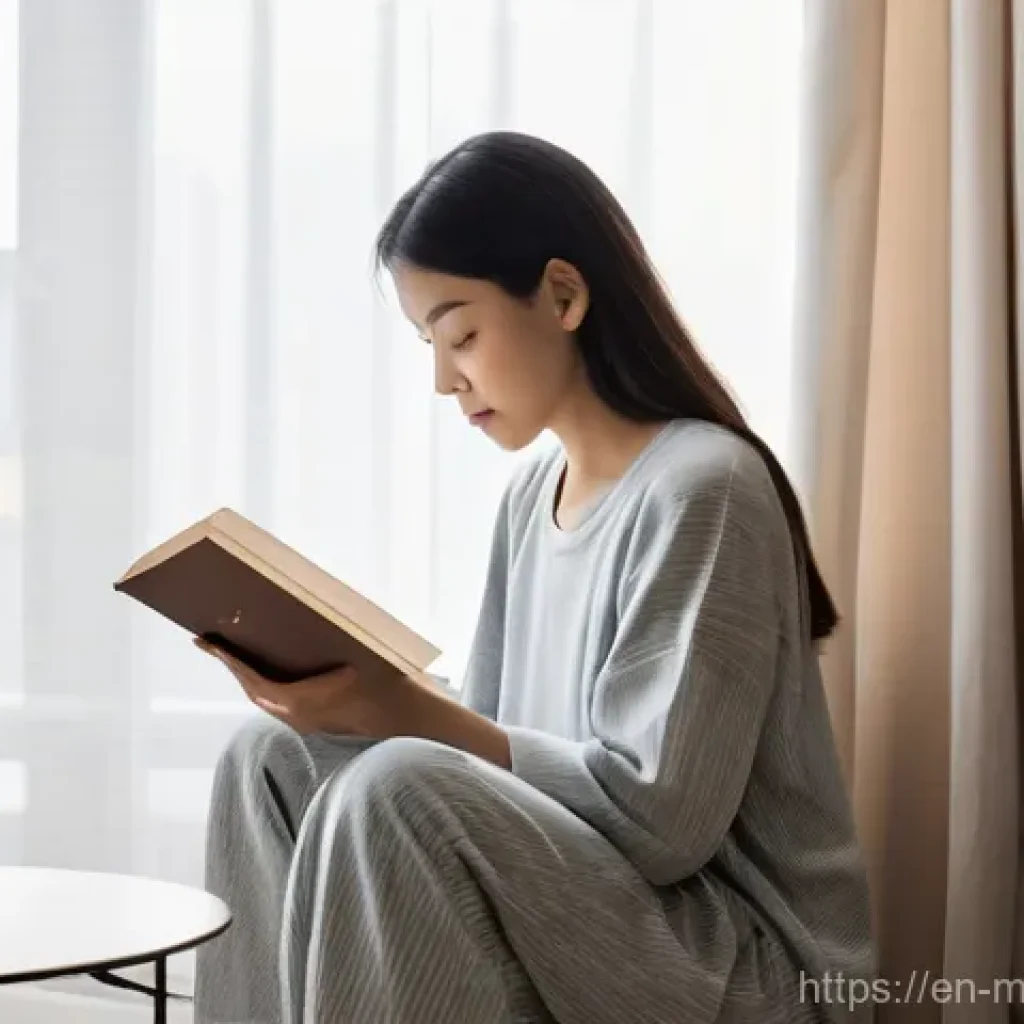
You know that feeling, right? You walk through your front door after a long, exhausting day, only to be greeted by a mountain of laundry, an overflowing closet, and surfaces cluttered with… well, *stuff*.
As someone who’s lived solo for years in various apartments, I can tell you firsthand that the sheer volume of our belongings can sometimes feel like an invisible weight, especially when you’re the only one responsible for managing it all.
It used to stress me out more than I cared to admit, constantly feeling like I was drowning in possessions rather than truly enjoying my personal space.
But what if I told you there’s a powerful shift happening, a movement towards intentional living that’s absolutely perfect for us singletons? It’s called minimalism, and trust me, it’s not just about throwing things away; it’s about curating a life that gives you back time, energy, and even boosts your bank account.
In a world that often pushes us to acquire more, embracing a minimalist approach for your single household can be incredibly liberating, offering clarity and peace you didn’t know was possible.
Ready to transform your living space and, by extension, your entire life? Let’s dive deep into exactly how you can make minimalism work wonders for your solo journey.
Reclaiming Your Space: The First Steps to a Lighter Home
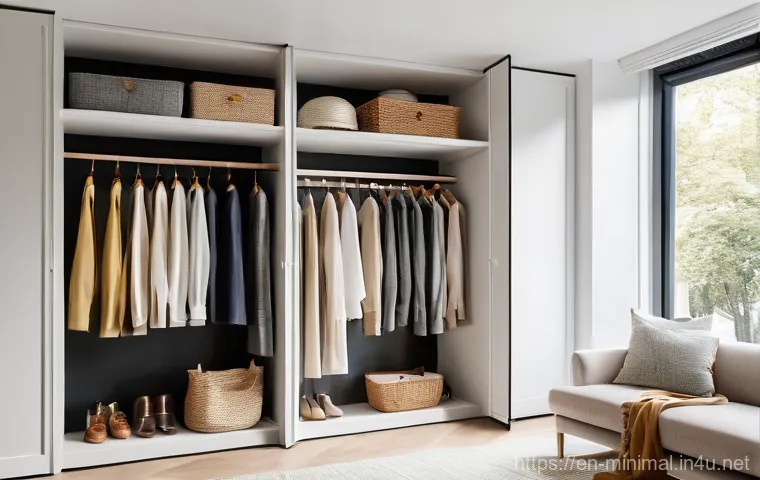
As a singleton, the thought of decluttering can feel both liberating and utterly overwhelming, right? When you don’t have a partner or kids to share the burden (or the blame!), every single item in your space feels like *your* responsibility.
I remember staring at my overflowing kitchen cabinets thinking, “Where do I even begin?!” It felt like a monumental task, and honestly, a bit disheartening.
But here’s the secret: you don’t have to tackle it all at once. Start small, celebrate every little win, and before you know it, you’ll gain momentum.
For me, picking just one drawer or a single shelf was the game-changer. It allowed me to see immediate results without feeling completely drained. This isn’t about perfection; it’s about progress and creating a system that works for *your* unique solo lifestyle.
Imagine opening a cupboard and not having things tumble out – that feeling alone is worth the effort, trust me. It’s not just about getting rid of stuff; it’s about making conscious decisions about what truly adds value to your life and what’s just taking up precious physical and mental real estate.
The “One In, One Out” Rule: Keeping the Flow
One of the simplest yet most effective rules I adopted early on was the “one in, one out” policy. This applies especially well to categories like clothing, books, or even kitchen gadgets.
Bought a new shirt? Great! Now, which shirt in your wardrobe has seen better days or just doesn’t spark joy anymore?
Out it goes. It prevents accumulation before it even starts and forces you to be mindful about every purchase. I used to be terrible at this, convincing myself I “needed” that third pair of black jeans.
Now, I pause. Do I truly *need* this, or will it just add to the clutter I worked so hard to eliminate? This little mental check has saved me so much money and so much space, not to mention the emotional energy of dealing with too much stuff.
It’s a continuous, gentle push towards a more curated and intentional collection of belongings.
Tackling Sentimental Items: A Gentle Approach
Oh, sentimental items. These are often the biggest emotional hurdles, especially when you’re living alone and memories are sometimes tied to objects. I’ve been there, holding onto concert tickets from years ago, gifts from ex-partners, or even old report cards.
It’s tough. My trick? Create a “memory box” – one designated container for all those precious keepsakes.
This allows you to honor those memories without letting them spill over into every corner of your home. You don’t have to throw everything away; just give it a designated, contained home.
And honestly, I’ve found that sometimes, just taking a photo of an item and writing a short note about its significance is enough. The memory lives on, but the physical object doesn’t continue to occupy valuable space.
It’s a powerful shift in perspective that allows you to cherish the past without being tethered to it.
Curating Your Closet: A Minimalist Fashion Journey for Singles
Let’s be real, a lot of us single folks have wardrobes bursting at the seams, yet we still feel like we have “nothing to wear.” I used to open my closet door and be met with a chaotic explosion of colors and fabrics, most of which I hadn’t touched in years.
It was a source of daily frustration and wasted time. The idea of a capsule wardrobe felt intimidating at first, like I’d have to ditch all my personality and wear only beige.
But my experience has been the complete opposite! It’s not about owning fewer clothes; it’s about owning the *right* clothes – versatile pieces that mix and match effortlessly, making getting dressed a breeze.
Imagine having a wardrobe where every single item brings you joy and makes you feel fantastic. That’s the minimalist fashion dream, and it’s totally achievable for us busy singletons.
It streamlines your morning routine, saves you money on impulse buys, and truly allows your personal style to shine through.
Building Your Core Wardrobe: Essentials That Work Overtime
For us singletons, a core wardrobe is absolutely invaluable. Think about the clothes you reach for constantly – those go-to jeans, that perfectly fitted t-shirt, the versatile blazer.
These are your workhorses. Start by identifying these essential pieces in neutral colors that can be dressed up or down. For me, investing in high-quality basics like a classic white shirt, a couple of well-fitting black trousers, and a comfortable knit sweater was a game-changer.
These items form the foundation, and then you can layer in a few statement pieces or accessories to reflect your personality. It means fewer laundry loads, less decision fatigue, and a lot more confidence in knowing you look great without trying too hard.
This isn’t about sacrificing style; it’s about refining it and making it work harder for you.
Seasonal Swaps and Storage Savvy
Living alone often means limited storage, so making the most of every square inch is crucial. Instead of having every single garment accessible year-round, consider seasonal swaps.
When summer ends, pack away those linen shorts and sundresses into under-bed storage or vacuum-sealed bags. When winter arrives, bring out the chunky knits and warm coats.
This keeps your active wardrobe streamlined and visually uncluttered. I used to just cram everything in, and it led to wrinkled clothes and forgotten gems.
Now, with a seasonal approach, it feels like I’m getting a fresh wardrobe twice a year, and it prevents clothes from getting lost in the shuffle. Plus, it makes laundry day so much less daunting when you’re not sifting through items you won’t wear for months.
Streamlining Your Solo Kitchen: Culinary Minimalism
The kitchen, especially for a single person, can become a graveyard of forgotten gadgets and impulse buys. I once had four different kinds of coffee makers, not to mention a bread machine I used exactly twice.
It was ridiculous! A minimalist kitchen for a singleton isn’t about deprivation; it’s about efficiency, quality, and enjoying the process of cooking for yourself without being bogged down by excess.
It’s about having exactly what you need to prepare delicious, healthy meals without the clutter and chaos. For me, simplifying my kitchen meant rediscovering the joy of cooking.
No more rummaging through overflowing drawers for the right spatula or staring blankly at a pantry full of ingredients I’d never use. It’s about having clear countertops, functional tools, and ingredients that truly serve your lifestyle.
Essential Kitchen Tools: Quality Over Quantity
When you’re cooking for one, you really don’t need a massive set of pots and pans or every specialized gadget under the sun. Focus on versatile, high-quality tools that can perform multiple functions.
My personal essentials include one good chef’s knife, a sturdy cutting board, a medium-sized pot, a reliable skillet, and a few mixing bowls. That’s pretty much it!
I used to fall for the allure of “As Seen on TV” kitchen gadgets, but they almost always ended up collecting dust. Now, every item in my kitchen earns its spot.
Investing in quality means these tools last longer, perform better, and make cooking a more enjoyable experience. It’s less about having a lot of options and more about having the *right* options that truly support your solo culinary adventures.
Pantry Perfection: Smart Food Storage for One
A minimalist pantry for a single person is all about mindful stocking and smart storage. It means buying what you’ll actually eat, reducing food waste, and keeping things organized so you can easily see what you have.
I’ve learned to love clear, airtight containers for dry goods, not just for aesthetics but also because they extend shelf life and make it obvious when I’m running low.
Instead of buying in bulk for a family of four, I focus on smaller quantities and versatile staples like oats, rice, pasta, and canned beans. My fridge follows a similar logic: fresh ingredients that I plan to use within the week.
This approach has drastically cut down on my grocery bill and the amount of food I used to sadly throw away. It’s a win-win for your wallet and the planet.
Digital Detox: Uncluttering Your Online Life
In our increasingly connected world, minimalism isn’t just about physical objects; it extends to our digital lives too. And honestly, for us singletons, our phones and computers can often be our primary connections to the outside world, making digital clutter even more insidious.
I used to have hundreds of unread emails, a desktop covered in random files, and a phone home screen packed with apps I never used. It created a subtle, constant hum of anxiety in the background.
A digital declutter, for me, was just as liberating as clearing out my physical space. It’s about creating an online environment that supports your well-being, boosts productivity, and reduces unnecessary distractions.
It’s about being in control of your tech, rather than letting your tech control you.
Taming the Inbox Beast: Email Minimalism
Email can be a huge time-sink, especially for those of us who rely heavily on digital communication. My old inbox was a nightmare – thousands of unread messages, newsletters I never opened, and spam that slipped through the cracks.
My approach to email minimalism was ruthless but effective. First, unsubscribe from *everything* you don’t actively read or need. I mean it.
Second, create a system for important emails: archive immediately after reading, or move to specific folders if action is required. Try to touch each email only once.
I also schedule specific times to check emails rather than letting notifications constantly pull me away. This simple shift has given me back countless hours and a much calmer mind.
It’s a small change with a huge impact on your daily flow.
Social Media Sanity: Curating Your Online Feed
Social media, while a great way to stay connected, can also be a massive source of digital clutter and mental fatigue. For us singles, it’s easy to fall into the trap of endless scrolling.
I’ve been there, comparing my life to curated highlight reels and feeling deflated. My solution? A serious audit of my follow list.
Unfollow accounts that don’t inspire, educate, or entertain you. Mute those that make you feel inadequate. Turn off notifications for most apps.
I also advocate for scheduled social media time, rather than mindlessly checking it throughout the day. It’s about being intentional with your consumption and ensuring your online interactions are uplifting and genuinely enriching, rather than draining.
Your mental space is precious, and what you feed it online matters just as much as what you feed it offline.
The Financial Freedom of Living Lean
Let’s talk money, because for us single folks, every dollar matters, and financial independence is a huge motivator. Before I embraced minimalism, my spending habits were, shall we say, less than intentional.
I’d buy things out of boredom, impulse, or the fleeting desire for something new. But once I started decluttering my home, I realized I was also decluttering my finances.
Minimalism isn’t just about saving money (though it definitely does that!); it’s about aligning your spending with your values, making conscious choices, and building a more secure financial future.
It’s about realizing that experiences often bring more lasting joy than possessions, especially when you’re the only one responsible for your budget. The clarity it brings to your financial life is truly remarkable.
Rethinking “Needs” vs. “Wants”: Smart Spending
One of the biggest shifts minimalism brought into my financial life was a radical re-evaluation of my “needs” versus my “wants.” Before, the lines were blurry.
Now, I have a much clearer understanding. Do I *need* this new gadget, or do I *want* it? Is this purchase genuinely going to add value to my life, or is it just a temporary dopamine hit?
This pause, this intentional questioning, has saved me so much money. It’s not about being cheap; it’s about being smart and allocating your hard-earned money to things that truly matter to you – whether that’s experiences, investments, or high-quality items that will last.
For a single person managing their own budget, this level of financial discernment is incredibly empowering.
Investing in Experiences, Not Just Things
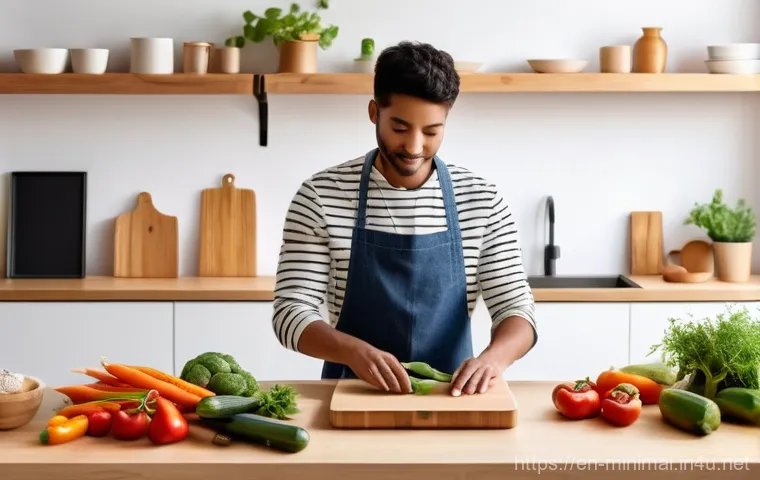
This is where the magic really happens for me. With fewer material possessions demanding my resources, I’ve found myself with more disposable income and, more importantly, more time and energy to invest in experiences.
Travel, concerts, trying new restaurants, learning a new skill – these are the things that truly enrich my life as a singleton. I used to buy impulse items that would just sit in a drawer.
Now, that money might go towards a weekend getaway or a masterclass. These experiences create lasting memories and personal growth, which, let’s face it, a new coffee mug just can’t do.
It’s a powerful shift from consumerism to experientialism, and it’s been one of the most rewarding aspects of my minimalist journey.
Mindful Consumption: A New Philosophy for Your Single Life
Minimalism, at its core, is a philosophy of mindful consumption, and it’s especially powerful when you’re navigating life as a singleton. It’s not about deprivation; it’s about intention.
It’s about asking yourself, “Does this truly add value to my life?” before you bring anything new into your home – or even into your mind, through digital content.
For me, this shift from unconscious acquisition to mindful selection has been transformative. It’s given me a sense of control and clarity I didn’t realize I was missing.
In a world constantly telling us we need more, choosing to live with less, and choosing *wisely* what that “less” entails, is a radical act of self-care.
It’s about aligning your daily actions with a deeper sense of purpose and peace.
The Art of Intentional Purchasing
Intentional purchasing means every item that enters your home has been thoughtfully considered and chosen. It’s the opposite of impulse buying. Before I buy anything now, I ask myself a few questions: Do I really need it?
Will it serve a clear purpose? Do I already own something that performs the same function? Is it high quality and built to last?
And crucially, does it spark joy? This process might sound tedious, but it quickly becomes second nature. It’s not about denying yourself things; it’s about making sure your purchases truly enhance your life.
For single individuals, who are often their sole decision-makers, this deliberate approach to buying can prevent so much buyer’s remorse and unnecessary clutter.
Embracing Quality Over Quantity: Long-Term Gains
This is a principle that extends beyond just physical goods. It’s about investing in quality across the board. Instead of buying cheap, disposable items that quickly break and need replacing, I now opt for well-made products that are designed to endure.
This applies to everything from clothing to kitchenware to even furniture. Yes, the initial outlay might be higher, but the long-term savings – both financial and environmental – are significant.
Less waste, less need to replace, and a greater appreciation for the items you own. For a singleton, this means a more sustainable lifestyle, less consumer guilt, and a home filled with cherished items that are truly functional and beautiful.
Nurturing Your Well-being: Minimalism’s Impact on Solo Living
Beyond the tangible benefits, one of the most profound impacts minimalism has had on my solo life is on my overall well-being. Living alone can sometimes feel isolating, and a cluttered, overwhelming environment certainly doesn’t help.
But a minimalist space, for me, has become a sanctuary – a calm, clear haven where I can truly relax and recharge. It’s amazing how much mental space opens up when your physical space isn’t constantly screaming for attention.
Fewer possessions mean fewer decisions, less cleaning, and more time for the things that genuinely nourish your soul, whether that’s hobbies, personal growth, or connecting with friends.
It’s about crafting an environment that supports your mental and emotional health, making solo living feel less like “alone” and more like “at peace.”
More Time for What Truly Matters
This is perhaps the greatest gift of minimalism for us singletons. Think about it: less stuff means less to organize, less to clean, less to repair, and less to think about.
All that reclaimed time and mental energy? It’s yours to reinvest in yourself. I used to spend entire weekends “catching up” on household chores and organizing.
Now, those hours are freed up for pursuing passions, learning new skills, spending quality time with loved ones, or simply relaxing with a good book. For someone navigating life independently, this extra bandwidth is invaluable.
It’s not just about a tidy home; it’s about a richer, more fulfilling life because you’ve intentionally carved out space for what truly brings you joy.
Reducing Stress and Decision Fatigue
Living alone, you’re responsible for *everything*. Every decision, big or small, rests on your shoulders. This can lead to what’s known as decision fatigue – that feeling of being mentally drained from making too many choices.
Clutter, both physical and digital, exacerbates this. When your environment is constantly presenting you with choices (What to wear? Where’s that thing?
What should I do with this old item?), it wears you down. Minimalism drastically reduces this. With a curated wardrobe, a streamlined kitchen, and a tidy digital life, many of those micro-decisions disappear.
It’s like clearing out the background noise, allowing you to focus your precious mental energy on the things that truly matter in your life. It’s a quiet revolution for your peace of mind.
| Minimalist Shift | Pre-Minimalist Solo Life | Post-Minimalist Solo Life |
|---|---|---|
| Wardrobe | Overstuffed closet, “nothing to wear” dilemma, impulse buys. | Capsule wardrobe, easy outfit creation, intentional purchases. |
| Kitchen | Excess gadgets, food waste, chaotic pantry, dread of cooking. | Essential tools, smart pantry, less waste, enjoyable cooking. |
| Digital Life | Cluttered inbox, endless scrolling, constant notifications, mental drain. | Organized inbox, curated feeds, focused online time, mental clarity. |
| Finances | Impulse spending, debt, unclear budget, stress about money. | Intentional spending, savings growth, financial freedom, peace of mind. |
| Well-being | Overwhelmed, stressed, less time for self, feeling drained. | Calm, more time for passions, reduced stress, increased energy. |
Maintaining the Magic: Sustainable Minimalism for the Long Haul
You’ve done the decluttering, you’ve curated your space, and you’re feeling fantastic. But here’s the kicker for us singletons: maintaining that minimalist magic when you’re the sole guardian of your space can be a challenge.
It’s not a one-time event; it’s an ongoing practice, a continuous conversation with yourself about what you truly value. I’ve definitely had moments where I slipped back into old habits, and a new pile of “stuff” started to accumulate.
The key, I’ve found, is to treat it like a muscle you’re constantly exercising. Regular check-ins, mindful habits, and being kind to yourself when you stumble are all part of the journey.
This isn’t about rigid rules; it’s about building sustainable practices that seamlessly integrate into your unique solo lifestyle.
Regular Check-ins: Keeping Clutter at Bay
Just like you might do a weekly meal prep or a monthly budget review, regular decluttering check-ins are essential for maintaining your minimalist home.
For me, this might be a quick 10-minute tidy-up before bed, or a deeper dive into one specific area (like my desk drawer or a bathroom cabinet) once a month.
The goal isn’t perfection, but consistency. These little habits prevent clutter from building up again and keep you connected to the “why” of your minimalist journey.
It’s amazing how much a quick pass-through can do to refresh your space and your mind. It’s like a mini-reset button for your home and your peace of mind.
Mindful Habits: Preventing Re-accumulation
The best way to keep clutter out is to stop it from coming in, right? This goes back to those mindful consumption habits. Before I buy anything new, I always ask myself: “Where will this live?” If I can’t immediately identify a dedicated spot for it, or if it means displacing something else that serves me well, then it’s a strong indicator that I probably don’t need it.
It’s about being proactive rather than reactive. This also applies to gifts (gently suggest experiences or consumables to friends and family!) and freebies.
Every item that crosses your threshold should be an intentional choice. This mindful gatekeeping is a powerful tool for a singleton who wants to keep their sanctuary serene.
Wrapping Things Up
As we reach the end of this journey together, I hope you feel a flicker of inspiration to begin or continue your own minimalist adventure. Living as a singleton doesn’t mean you have to be overwhelmed by your surroundings; in fact, it offers the perfect canvas to design a life that truly reflects your values and brings you peace. I’ve learned that minimalism isn’t about rigid rules or deprivation; it’s about intentionality, about consciously choosing what enhances your life and gently letting go of what doesn’t. This isn’t just about tidying your home; it’s about decluttering your mind, freeing up your time, and ultimately, creating a sanctuary where you can thrive. It’s an ongoing conversation with yourself, a continuous process of refinement, and believe me, the rewards are immeasurable – a calmer mind, a lighter spirit, and a profound sense of control over your own narrative.
Useful Tips to Know
1. Don’t feel pressured to tackle your entire home at once. Start with one drawer, one shelf, or even just one category (like old papers). The momentum from small wins is incredibly powerful, and before you know it, you’ll be on a roll.
2. Consider the “20/20 Rule” for those tricky items you’re unsure about keeping. If you can replace an item for under $20 and in less than 20 minutes, it’s often safe to let it go. This simple mental check can alleviate a lot of decision fatigue.
3. Explore digital tools for simplifying your online life. Apps like Spark or Clean Email can help manage your inbox, while a good password manager like LastPass or 1Password can bring order to your digital credentials, reducing that background anxiety.
4. When decluttering, think sustainably. Instead of just tossing items, research local donation centers, consignment shops, or even platforms like Facebook Marketplace or Craigslist. Giving items a second life is good for the planet and can sometimes even earn you a little extra cash.
5. Try a “Project 333” challenge for your wardrobe. For three months, dress with only 33 items of clothing, accessories, outerwear, and shoes. It’s an incredible way to discover the versatility of your existing clothes and break free from the “nothing to wear” dilemma.
Key Takeaways
The journey to a minimalist solo life is deeply personal and incredibly empowering. It’s about more than just owning less; it’s about discovering what truly enriches your existence and making space for those things to flourish. Remember, your home is your sanctuary, and when you intentionally curate it, you’re not just organizing physical objects – you’re cultivating peace, clarity, and the freedom to live a life that’s truly yours. Embrace the process, celebrate the small victories, and watch as your minimalist approach transforms your well-being, your finances, and your overall sense of purpose. You’ve got this!
Frequently Asked Questions (FAQ) 📖
Q: What does “minimalism” truly mean for a solo dweller, and isn’t it just about getting rid of everything?
A: Oh, this is such a common misconception, and I totally get why people think that! When I first heard about minimalism, my mind immediately pictured stark, empty rooms and a wardrobe of five identical grey shirts.
Trust me, for a solo dweller, it’s actually the complete opposite of deprivation. What I’ve found is that true minimalism isn’t about throwing away everything you own; it’s about curating your life and your space so that every single item you keep genuinely serves a purpose or brings you joy.
It’s about being intentional. For us living alone, it means consciously choosing what to bring into our homes and, more importantly, what to let go of so that our space becomes a sanctuary, not a storage unit.
Think about it: when you’re the only one responsible for cleaning, organizing, and maintaining, less stuff inherently means less stress, less cleaning, and more mental bandwidth for the things you truly care about.
It’s about freedom, not emptiness. My tiny apartment used to feel so chaotic, but once I embraced this mindset, it transformed into a calm, personal haven that truly supports my single lifestyle.
It’s a journey of figuring out what truly adds value to your life, not following some strict rulebook.
Q: How do I even begin decluttering my single space without feeling totally overwhelmed?
A: I hear you! That feeling of being overwhelmed before you even start is completely real, especially when it feels like the whole task falls on your shoulders alone.
I’ve been there, staring at a packed closet or a cluttered kitchen counter, and just wanting to shut the door and walk away. My best advice, and something I learned the hard way, is to start small.
Seriously, tiny. Don’t try to tackle your entire apartment in one weekend. Pick one small drawer, one shelf, or even just your bedside table.
Give yourself a strict time limit – say, 15 or 30 minutes. The goal isn’t to finish everything, but to build momentum and show yourself that you can make progress.
What I often did was take everything out of that small area, sort through it quickly, and then only put back what truly belonged and was useful. You’ll be amazed at how a few clear surfaces can boost your motivation.
Another game-changer for me was the “one-in, one-out” rule once I started getting rid of things. If I wanted to buy a new book, an old one had to go. This simple habit keeps new clutter from creeping in.
Remember, this isn’t a race; it’s a marathon of creating a more intentional space, one small victory at a time. Be kind to yourself through the process!
Q: You mentioned boosting my bank account – how does minimalism actually help me save money or even earn more?
A: This is one of my absolute favorite benefits, and honestly, it’s where minimalism really shines for us singletons! When I first started this journey, I was focused on the peace of mind, but the financial perks quickly became undeniable.
First off, a huge chunk of saving comes from simply buying less. Once you’re intentional about what you own, you naturally stop impulse buying. Before I buy anything now, I pause and ask myself: “Does this truly add value to my life, or am I just buying it because it’s on sale or ‘might’ be useful?” That one question alone has saved me hundreds, if not thousands, of dollars over the years.
No more unnecessary gadgets, clothes that sit in the closet unworn, or duplicate kitchen tools. Secondly, a minimalist space often means lower utility bills.
Less stuff means less to clean, less to heat or cool around, and often, you become more mindful of your energy consumption. Plus, selling the items you declutter can give you an immediate cash injection!
I’ve personally sold unused electronics, designer clothes, and even old furniture online, turning forgotten items into a nice little income boost. And here’s a less obvious one: a clearer, less cluttered living space often leads to a clearer mind.
For me, that meant better focus on my personal finances, identifying wasteful spending habits, and even finding the mental space to explore new income streams or side hustles.
It’s a holistic approach that truly makes your money work smarter for you.