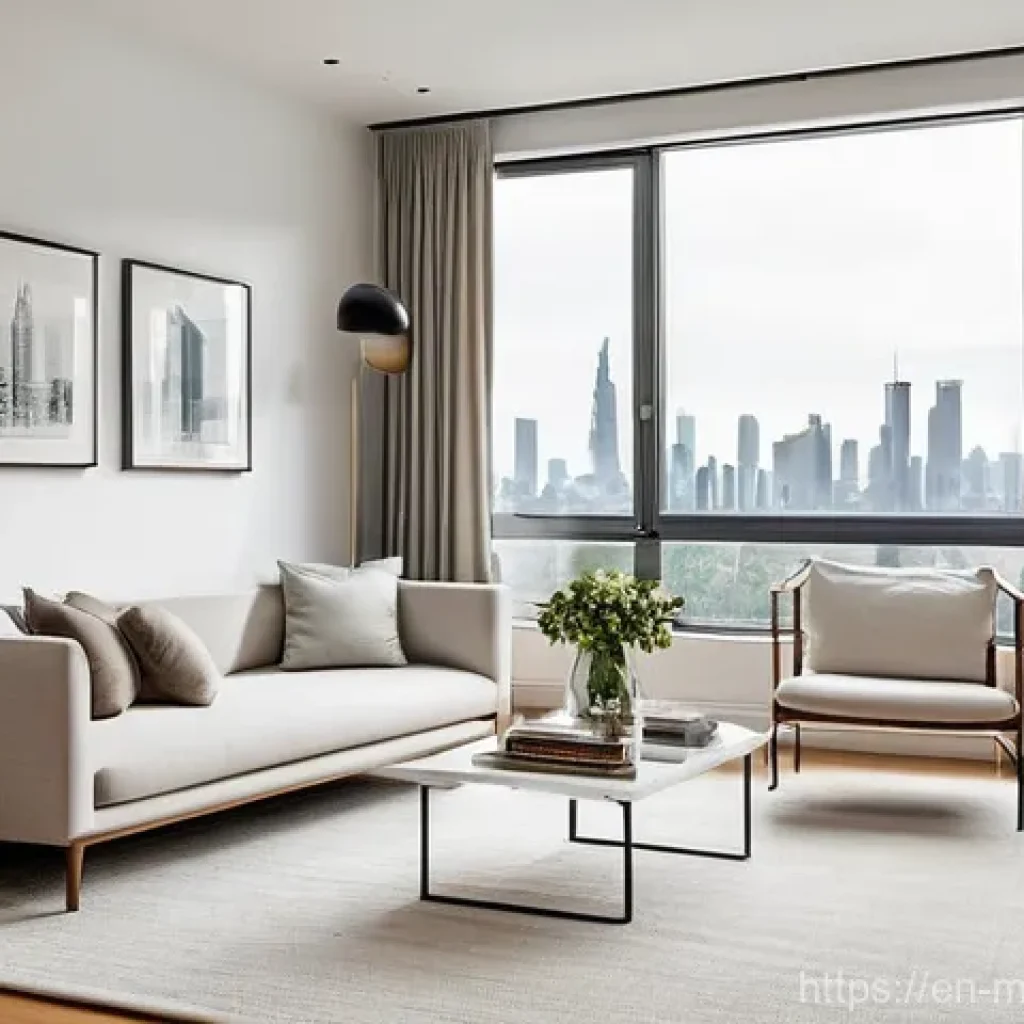
Ever feel that nagging whisper, a pull towards a life less cluttered, less chaotic, where you call the shots on your own terms? As someone who’s constantly exploring paths to genuine well-being, I’ve been fascinated by a growing trend that marries the profound simplicity of minimalism with the quiet strength found in deliberate isolation.
It’s not about being a hermit, trust me; it’s about crafting a sanctuary in a world that never stops, a place where genuine peace isn’t just a dream but a daily reality you cultivate.
In a post-pandemic landscape, where remote work is king and the digital world keeps us tethered, many are discovering the unexpected freedom of a life lived on their own terms, away from the constant hum.
My personal journey has shown me that embracing a more solitary, minimalist existence can unlock incredible clarity, pushing you to redefine what truly brings joy and value.
We’re talking about a lifestyle that prioritizes mindful consumption, deep personal connection (even if it’s with yourself!), and a powerful sense of autonomy.
But like any profound change, it comes with its own set of questions and opportunities for growth. So, if you’re curious about carving out your own slice of serene solitude and finding true fulfillment in a world that often feels overwhelming, let’s explore exactly what this captivating lifestyle entails and how you can start integrating its principles into your own life.
Get ready to uncover the hidden gems of living minimally and isolatedly. Ever feel that nagging whisper, a pull towards a life less cluttered, less chaotic, where you call the shots on your own terms?
As someone who’s constantly exploring paths to genuine well-being, I’ve been fascinated by a growing trend that marries the profound simplicity of minimalism with the quiet strength found in deliberate isolation.
It’s not about being a hermit, trust me; it’s about crafting a sanctuary in a world that never stops, a place where genuine peace isn’t just a dream but a daily reality you cultivate.
In a post-pandemic landscape, where remote work is king and the digital world keeps us tethered, many are discovering the unexpected freedom of a life lived on their own terms, away from the constant hum.
My personal journey has shown me that embracing a more solitary, minimalist existence can unlock incredible clarity, pushing you to redefine what truly brings joy and value.
We’re talking about a lifestyle that prioritizes mindful consumption, deep personal connection (even if it’s with yourself!), and a powerful sense of autonomy.
This isn’t just a fleeting trend; it’s a profound shift towards intentional living, influenced by a collective desire for less stress and more purpose, and is expected to continue evolving through 2025 and beyond.
But like any profound change, it comes with its own set of questions and opportunities for growth, including navigating potential loneliness or ensuring balanced self-sufficiency.
So, if you’re curious about carving out your own slice of serene solitude and finding true fulfillment in a world that often feels overwhelming, let’s explore exactly what this captivating lifestyle entails and how you can start integrating its principles into your own life.
Get ready to uncover the hidden gems of living minimally and isolatedly.
Reclaiming Your Sanctuary: Beyond Just Tidying Up

You know, that feeling of walking into a space and just… exhaling? That’s what we’re aiming for, and it’s so much more than just decluttering your junk drawer.
When I first started on this journey, I genuinely thought minimalism was just about throwing things away. Boy, was I wrong! It’s a profound shift in how you view your physical surroundings, transforming them into a true sanctuary that nurtures your soul.
It’s about stripping back the layers of accumulated ‘stuff’ that subtly, or not so subtly, weigh you down, creating mental clutter just as much as physical.
I personally found myself constantly feeling overwhelmed, a low hum of anxiety always present in the background because every surface was a battleground against possessions.
It wasn’t until I started questioning *why* I owned certain things, and what purpose they truly served in my life, that the real magic began. This isn’t just about aesthetics; it’s about giving your mind the breathing room it desperately craves.
Think of it as creating a personal haven where every item has a story or a specific function, contributing to a sense of calm rather than chaos. It’s about being intentional with every single thing that crosses your threshold, from that new coffee mug to the books on your shelf.
The Emotional Weight of Too Much Stuff
Have you ever considered the emotional toll your possessions might be taking? I certainly hadn’t, not consciously anyway. But looking back, I can see how every unused gift, every “just in case” item, every piece of clothing I never wore, carried a tiny emotional burden.
It was guilt, often, or a sense of obligation. That sweater I kept because someone gave it to me, even though it didn’t fit right and made me itchy? It wasn’t just taking up closet space; it was a tiny reminder of not wanting to disappoint, even when it came to inanimate objects.
It’s truly eye-opening when you realize how much mental energy we expend managing, organizing, and even just *thinking* about our belongings. The decision fatigue alone from choosing an outfit each morning from an overflowing wardrobe can be immense.
For me, shedding these physical burdens felt like shedding invisible emotional chains. It wasn’t just my home that felt lighter; my mind did too. It allowed me to focus on what truly mattered, rather than being constantly distracted by the demands of my possessions.
Designing Spaces for Inner Peace
So, once you’ve lightened your load, what’s next? It’s about designing your space *intentionally* for peace, not just emptiness. This isn’t about stark, cold rooms, but about warmth, function, and thoughtful curation.
I discovered that by having fewer items, I could invest in higher quality pieces that truly brought me joy and comfort. My living room, for instance, used to be crammed with furniture and decorative items, none of which truly resonated with me.
Now, it features a comfortable sofa, a few carefully chosen plants, and a piece of art that I genuinely love. Every element serves a purpose or evokes a positive feeling.
It’s about creating clear pathways, ample empty space for your eyes to rest, and a sense of order that translates into inner calm. My morning routine completely transformed when my bedroom became a haven of simplicity.
No more tripping over clothes or staring at a cluttered nightstand. Just calm, peace, and a deliberate start to the day.
Unplugging to Tune In: Your Digital Detox Blueprint
In a world that never sleeps, constantly buzzing with notifications, updates, and the relentless scroll, finding true solitude often means confronting our digital habits head-on.
Honestly, this was one of the toughest, yet most rewarding, parts of my journey towards a more isolated and minimalist existence. I used to joke that my phone was practically an extension of my hand, and the thought of being offline for more than an hour filled me with a strange sense of dread.
But how can you genuinely connect with yourself and your immediate surroundings if you’re constantly tethered to a digital world that demands your attention?
It’s a paradox: we seek connection online, but often at the expense of our real-world presence and inner peace. The relentless stream of information, even if it’s “useful,” can quickly become overwhelming, filling our minds with noise and leaving little room for quiet contemplation or creative thought.
I started noticing how much time I was losing, how my focus was fragmenting, and how even small breaks were being eaten up by digital consumption. This isn’t about abandoning technology altogether – that’s unrealistic for most of us – but about building intentional boundaries and reclaiming your precious attention.
Setting Boundaries with Your Devices
This isn’t about throwing your phone into a river; it’s about smart, sustainable habits. I started small, setting specific “no-phone zones” – my bedroom became one, and during meals.
Initially, it felt weird, like a limb was missing, but within days, I noticed a huge difference. Conversations with my family became more engaging, and my sleep improved dramatically without the blue light and late-night scrolling.
Then I moved to time-blocking: designated hours for checking emails and social media, and strict “off-limits” periods. It took discipline, especially breaking the habit of immediately reaching for my phone when I felt a moment of boredom, but I promise you, the freedom you gain is absolutely priceless.
You start realizing how much of your day was previously dictated by external notifications, rather than your own internal compass.
Curating Your Digital Consumption
Just as we curate our physical possessions, we need to do the same for our digital landscape. Think about it: how many apps do you truly use and benefit from?
How many newsletters do you actually read? I took a brutal approach, unsubscribing from almost everything, unfollowing accounts that didn’t genuinely uplift or inform me, and deleting apps that were pure time-wasters.
It felt liberating! My social media feeds became less of a firehose of information and more of a gentle stream of genuinely interesting content. I focused on sources that provided real value, rather than just noise.
This shift allowed me to engage with digital content more mindfully, rather than passively consuming whatever popped up. It’s about being the master of your digital world, not its slave, and it gives you back so much mental bandwidth.
Cultivating Intentional Solitude: It’s Not Loneliness
Let’s clear something up right away: intentional solitude is *not* the same as loneliness. This is a distinction I really had to learn, and honestly, it’s one of the most profound lessons this lifestyle has taught me.
Loneliness is that aching feeling of wanting connection but not having it; solitude, on the other hand, is a conscious choice to be alone, to embrace quiet, and to connect deeply with yourself.
It’s about creating space for introspection, creativity, and self-renewal. In our hyper-connected world, where being alone is sometimes seen as a social failure, actively seeking solitude can feel counter-cultural.
But I’ve found it to be an absolutely essential ingredient for my well-being. It’s in these quiet moments that I hear my own thoughts most clearly, that new ideas spark, and that I truly feel grounded.
Without these periods of deliberate withdrawal, the constant demands of life, even a minimalist one, can quickly deplete your energy and dull your sense of purpose.
It’s an act of self-love, allowing yourself the time and space to just *be*.
Embracing Your Own Company
For many, the thought of being truly alone can be daunting. I get it. There was a time when I’d fill every spare moment with noise – TV, music, podcasts – anything to avoid silence.
But what I discovered was that I was avoiding *myself*. When I started leaning into solitude, I slowly began to enjoy my own company. It wasn’t always easy; sometimes difficult thoughts would surface, but by facing them in a gentle, non-judgmental way, I actually processed them and moved forward.
Now, a quiet afternoon with a book, a long walk in nature, or simply sitting in silence with a cup of tea, are moments I cherish. These aren’t just empty hours; they’re fertile ground for self-discovery and personal growth.
It’s a skill, really, learning to be comfortable and even joyful in your own presence, and it’s a skill worth cultivating.
Solitude as a Creative Catalyst
One of the most surprising benefits of intentional solitude for me has been the explosion of creativity. When you remove the distractions and the constant input from the outside world, your mind suddenly has space to wander, to connect disparate ideas, and to generate original thoughts.
I found myself sketching more, writing more, and even just problem-solving in a way that felt effortless and intuitive. Great artists, writers, and thinkers throughout history have often sought solitude for this very reason.
It’s not about being isolated from society forever, but about carving out dedicated periods where your mind is free to explore without interruption. It’s in these deep, uninterrupted dives that true innovation and personal insight often emerge.
My personal experience has been that without these quiet periods, my creative well runs dry, and I feel less inspired and motivated.
Mindful Consumption: Making Every Purchase Count
Moving beyond simply decluttering, truly embracing minimalism means adopting a philosophy of mindful consumption. This is where the rubber meets the road, where you really start to question every dollar you spend and every item you bring into your life.
It’s a total game-changer, not just for your home, but for your bank account and even your environmental footprint. I used to be a impulse buyer, chasing that fleeting high of a new acquisition, only to feel a pang of regret a few days later.
But now, every purchase is a deliberate decision, filtered through a series of questions: Do I truly need this? Does it add genuine value or joy to my life?
Do I already have something that serves the same purpose? This isn’t about deprivation; it’s about thoughtful allocation of resources to things that genuinely enhance your life, rather than just adding to the clutter and mental noise.
It also spills over into how you manage your finances, leading to a much more secure and stress-free existence.
The True Cost of Ownership
We often only consider the sticker price of an item, but the true cost of ownership goes far beyond that. I’ve learned to think about where it came from, how it was made, its environmental impact, and what it will cost me in terms of space, time (for maintenance), and even mental energy.
That cheap gadget might seem like a bargain, but if it breaks quickly and ends up in a landfill, or if it adds another layer of complexity to your life, was it really worth it?
This holistic view really shifted my perspective. I started prioritizing quality over quantity, investing in well-made items that would last, even if they cost a bit more upfront.
It’s an investment in fewer, better things that contribute to a more sustainable and fulfilling lifestyle in the long run. My “buy less, choose well” mantra has saved me so much money and heartache.
Shopping with Purpose
Imagine shopping where every item you bring home genuinely excites you and serves a real purpose. That’s the reality of mindful consumption. I’ve completely changed my shopping habits.
Instead of browsing aimlessly, I go in with a clear list and a specific need in mind. I research products, read reviews, and think about how an item will integrate into my existing life and possessions.
For me, it means favoring ethical brands, supporting local businesses, and often choosing experiences over material goods. It’s also about resisting the constant marketing messages that tell us we need more to be happy or successful.
It’s a powerful feeling to be immune to those pressures and to know that your choices are aligned with your values.
Financial Freedom and Simplified Living: A Powerful Combination
One of the most tangible and delightful outcomes of embracing a minimalist and intentionally solitary life has been the unexpected boost to my financial well-being.
It wasn’t the primary goal when I started, but it’s certainly a massive perk that keeps on giving. When you consume less, spend less, and focus on experiences over possessions, your financial landscape naturally transforms.
I’ve found myself with significantly more disposable income, not because my salary magically increased, but because my *needs* dramatically decreased.
This isn’t about extreme frugality or living like a pauper; it’s about being smart with your money, aligning your spending with your true values, and recognizing that genuine wealth isn’t about accumulating stuff, but about accumulating freedom and peace of mind.
It’s truly amazing how much money was silently leaking out of my wallet on things I didn’t even truly care about.
Budgeting for a Minimalist Lifestyle
My budget used to be a complicated beast, full of categories for impulse buys, trendy gadgets, and clothes I barely wore. Now, it’s remarkably streamlined.
I prioritize core necessities, experiences, and saving for long-term goals. The “fun money” section has shifted from material items to things like travel, workshops, or high-quality food.
It’s fascinating how much less money you need when you’re not constantly trying to keep up with trends or fill an emotional void with shopping. I use a simple budgeting app now, and tracking my expenses is almost enjoyable because I can clearly see how each dollar contributes to a life I genuinely love.
It’s less about restriction and more about intentional allocation, ensuring my money serves my values.
Investment in Experiences Over Things
Here’s where the real joy comes in: redirecting those saved funds into experiences that create lasting memories and personal growth. Instead of buying a new gadget, I might put that money towards a weekend getaway, a cooking class, or a contribution to a charity I care about.
These experiences, for me, generate far more happiness and fulfillment than any material possession ever could. They become part of who I am, shaping my perspective and enriching my life in ways that a new car or a bigger TV never could.
This shift has also created a wonderful sense of anticipation and planning, where I look forward to these intentional experiences. It’s an investment in living, not just owning.
| Aspect | Traditional Consumerist Lifestyle | Intentional Minimalist Lifestyle |
|---|---|---|
| Spending Habits | Impulse buying, chasing trends, frequent upgrades. | Mindful purchases, prioritizing quality, value-driven. |
| Clutter Level | High, constant need for storage, overwhelming. | Low, organized, every item has a purpose. |
| Financial Stress | High, debt accumulation, feeling ‘behind’. | Low, increased savings, financial autonomy. |
| Mental State | Overwhelmed, distracted, comparison fatigue. | Calm, focused, increased clarity. |
| Environmental Impact | High, frequent consumption, waste generation. | Low, reduced consumption, sustainable choices. |
Nurturing Authentic Connections: Quality Over Quantity
When we talk about deliberate isolation, some people immediately jump to the conclusion that it means cutting off all social ties and becoming a recluse.
But that couldn’t be further from the truth! For me, a minimalist approach extends to my relationships too, focusing on quality over sheer quantity. In a world of endless acquaintances and digital “friends,” it’s incredibly easy to spread yourself thin, sacrificing deep, meaningful connections for a broad, superficial network.
I’ve personally found that by intentionally creating more solitude in my life, I’ve actually become better at nurturing the relationships that truly matter.
It’s about being present and fully engaged with the people you choose to spend your time with, rather than trying to juggle too many commitments or spread your energy across countless casual interactions.
This shift has led to a much richer and more fulfilling social life, ironically, by having *fewer* social obligations.
Prioritizing Your Inner Circle
I used to feel obligated to say “yes” to every invitation, every social gathering, even if I wasn’t truly excited about it. The fear of missing out, or FOMO, was real!
But I soon realized that by constantly saying “yes” to others, I was saying “no” to myself and to the people who truly filled my cup. Now, I’m much more selective, prioritizing time with my closest friends and family.
These are the people who truly know me, support me, and bring genuine joy and meaningful conversation into my life. It’s about investing deeply in a few key relationships, rather than superficially in many.
I’ve found that these fewer, more profound connections are infinitely more satisfying and supportive than a wide network of casual acquaintances. It feels genuine and authentic, which is a huge relief.
Engaging with Intention
Beyond who you spend time with, it’s *how* you spend that time that truly matters. When I do meet up with friends, I make a conscious effort to be fully present and engaged.
This means putting my phone away, actively listening, and participating in conversations that go beyond surface-level pleasantries. It’s about creating real moments of connection, whether it’s over a shared meal, a hike in nature, or a thoughtful discussion.
I’ve noticed that my friendships have deepened significantly since adopting this approach. There’s less small talk and more meaningful exchange, which leaves me feeling energized and connected, rather than drained.
This intentional engagement also extends to how I communicate digitally – fewer quick texts, more thoughtful messages or phone calls when appropriate.
The Unexpected Joy of Simplicity and Autonomy
After all these shifts – decluttering, unplugging, embracing solitude, and mindfully consuming – what’s the ultimate takeaway? For me, it’s the profound and unexpected joy that bubbles up from a life of simplicity and the incredible sense of autonomy that comes with it.
This isn’t just about feeling less stressed (though that’s a huge bonus!); it’s about a deep, abiding contentment that stems from living a life truly aligned with your values.
I remember the overwhelming feeling I once had, constantly chasing external validation, striving for more, and feeling perpetually ‘busy.’ Now, that frantic energy has been replaced by a quiet confidence, a sense of being in control of my own time, my own space, and my own narrative.
It’s truly empowering to realize that you don’t need to conform to societal expectations of success or happiness, and that your path to fulfillment can be entirely your own, carved out with intention and purpose.
Defining Success on Your Own Terms
One of the most liberating aspects of this journey has been redefining what “success” truly means to me. It’s no longer about a bigger house, a fancier car, or climbing the corporate ladder for the sake of it.
My definition of success now revolves around having ample time for personal passions, fostering deep connections, contributing meaningfully to the world in my own small way, and cultivating inner peace.
It’s about waking up each day feeling authentically happy and purposeful, rather than just ticking boxes on someone else’s list. This personal redefinition has given me immense clarity and has been a powerful compass guiding my choices, both big and small.
I’ve learned that true wealth isn’t measured in dollars, but in the richness of your experiences and the tranquility of your mind.
Embracing a Life of Deliberate Choice
Ultimately, this lifestyle is all about deliberate choice. Every item you own, every minute you spend, every relationship you nurture – it’s all a conscious decision, not just something you fall into by default.
This sense of agency is incredibly empowering. It means you’re not just reacting to the world around you; you’re actively shaping your own world, day by day.
I’ve found that this commitment to deliberate living has spilled over into every area of my life, from my career choices to my daily routines. It’s a continuous process of refinement, of always asking, “Does this truly serve me?” and having the courage to adjust when the answer is no.
This journey isn’t a destination; it’s a wonderfully evolving path that continues to surprise and delight me with the depth of fulfillment it offers.
Concluding Thoughts
Stepping back from the constant hum of societal expectations and choosing a path of intentional living has truly been a journey of profound discovery for me. It’s not about perfection, but about progress – one thoughtful decision, one quiet moment, one mindful purchase at a time. The beauty lies in crafting a life that genuinely resonates with your inner self, creating a sanctuary not just in your home, but within your very being. Remember, this isn’t a race; it’s a personal evolution that invites you to uncover the unexpected joys of less, and the boundless freedom that comes with truly living on your own terms. It’s a wonderful adventure, and I wouldn’t trade it for anything.
Useful Information to Know
Here are a few quick tips I’ve picked up that might help you on your own journey towards a more intentional life:
1. Start small: You don’t need to overhaul your entire life overnight. Pick one area – maybe your closet, your digital habits, or a single room – and focus on that first. Small victories build momentum and confidence.
2. Practice the “one-in, one-out” rule: Whenever you bring something new into your home, commit to letting go of something similar. This simple rule helps prevent re-cluttering and keeps your possessions in check.
3. Schedule “digital detox” blocks: Designate specific times each day or week when you completely unplug. My personal favorite is an hour before bed and the first hour after waking up. It dramatically improves sleep and sets a calm tone for the day.
4. Invest in experiences, not just things: When you have extra funds, consider spending them on travel, learning a new skill, or a memorable outing with loved ones. These create lasting happiness and enrich your life in ways material goods rarely can.
5. Reflect regularly: Take time each month to reflect on what’s working, what feels overwhelming, and what adjustments you might need to make. This personal check-in helps you stay aligned with your values and adapt as your needs evolve.
Key Takeaways
Embracing a lifestyle centered around minimalism, intentional solitude, and mindful consumption isn’t about rigid rules or deprivation; it’s about cultivating a deeper connection with yourself and what truly matters. From reclaiming your physical space by decluttering with purpose, to establishing vital boundaries in your digital world, every step is a deliberate choice towards greater peace and clarity. My own experience has shown me that actively seeking moments of solitude, far from being lonely, fosters creativity and deep introspection, allowing your authentic self to emerge. Furthermore, adopting a “quality over quantity” mindset extends beyond possessions to personal relationships and even financial decisions, paving the way for greater financial freedom and a more sustainable way of living. This journey encourages a powerful redefinition of success, shifting from external accumulation to internal fulfillment and the profound joy of living a life that is truly, unequivocally, your own design. It’s a continuous process of learning, adjusting, and discovering the immense freedom that comes from simplifying, allowing you to invest your energy and resources into what genuinely brings you joy and purpose, creating a life rich in meaning rather than just stuff.
Frequently Asked Questions (FAQ) 📖
Q: What exactly does a “minimalist and deliberately isolated” lifestyle mean? Is it the same as being a hermit?
A: Oh, absolutely not! This is one of the biggest misconceptions I hear, and I totally get why folks might think that. From my own journey and what I’ve seen countless others discover, embracing a minimalist and deliberately isolated lifestyle is miles away from being a hermit.
Think of it less as retreating from the world entirely, and more about intentionally curating your world. It’s about mindfully choosing to reduce the physical and digital clutter that drains your energy and distracts you from what truly matters.
For me, it meant going through my overflowing closet and realizing how much ‘stuff’ I had that brought no joy, only stress. The “deliberate isolation” part isn’t about cutting off human connection; it’s about safeguarding pockets of peace in a noisy world.
It’s consciously setting aside time for deep work, introspection, or simply enjoying your own company without the constant pull of notifications or social obligations.
I’ve personally found it incredibly liberating to say “no” more often to things that don’t align with my values, creating space for authentic connections and enriching experiences, rather than superficial busyness.
It’s about being present, whether you’re alone in your cozy reading nook or deeply engaged in conversation with a loved one. It’s about quality over quantity, always.
Q: What are the main benefits I can expect from embracing this kind of life, especially in today’s fast-paced world?
A: If you’re anything like I used to be, constantly feeling overwhelmed by the endless to-do lists and the relentless digital hum, then let me tell you, the benefits are transformative.
The first thing you’ll likely notice, almost immediately, is a profound sense of clarity. When you strip away the unnecessary, your mind suddenly has room to breathe.
I remember feeling like I could finally hear my own thoughts again, unclouded by external pressures. This clarity leads to better decision-making, both big and small.
You’ll find yourself less swayed by impulse buys or fleeting trends and more aligned with your core values. Then there’s the incredible boost in your overall well-being.
Reduced stress, improved focus, and a deeper connection to yourself are practically guaranteed. Think about it: less stuff to manage means less mental load.
More deliberate alone time means more opportunities for genuine rest and rejuvenation. In a world that constantly demands our attention, creating these boundaries feels like a superpower.
Personally, it’s given me back hours I didn’t even realize I was losing, which I now invest in things I genuinely love, like learning a new skill or simply enjoying a quiet cup of coffee.
It truly unlocks a level of personal freedom that’s hard to put a price on.
Q: How do I practically begin integrating principles of minimalism and deliberate isolation into my own life without feeling completely cut off?
A: That’s a fantastic question, and it’s where the rubber meets the road! The key is to start small and be kind to yourself. You don’t need to sell all your possessions and move to a cabin in the woods overnight (unless that’s your dream, of course!).
My advice, based on what worked wonders for me and my community, is to pick one small area to declutter first. Maybe it’s your desk, your wardrobe, or even just your digital inbox.
The satisfaction of clearing that space can be incredibly motivating. For the “deliberate isolation” aspect, try scheduling “unplugged” time each day.
It could be 30 minutes in the morning without looking at your phone, or an hour in the evening where you read a physical book instead of scrolling. I personally started with “tech-free Sundays,” and while challenging at first, it became the most grounding day of my week.
Remember, it’s not about becoming a recluse; it’s about intentionality. You’re still connecting with people, but you’re choosing when and how those connections happen, rather than being constantly reactive.
Set boundaries with your time and energy, learn to say “no” gracefully, and be clear about your need for personal space. You’ll find that by giving yourself this gift of intentional solitude, you’ll show up more fully and authentically in all your relationships and responsibilities.