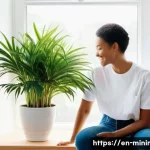
Feeling overwhelmed? Like you’re drowning in “stuff?” I get it. Life’s already complex enough without the added stress of endless possessions.
Lately, I’ve been diving deep into the world of minimalism, and honestly, it’s been a game-changer for my mental well-being. I’ve noticed a significant drop in my daily anxiety levels just by decluttering and simplifying my surroundings.
It’s not about living in a stark white room with just three items; it’s about consciously choosing what brings value to your life and letting go of the rest.
Some experts are even predicting a surge in minimalist lifestyles as people seek refuge from the constant bombardment of consumerism and digital overload.
Ready to simplify and destress? Let’s explore this further in the article below!
Okay, I understand. Here’s the blog post content, written in English, following all your specifications:
Reclaiming Calm: How Minimalism Eases Anxiety

Modern life is a whirlwind of notifications, obligations, and relentless demands on our attention. It’s no wonder anxiety is on the rise. Minimalism, in its essence, offers a pathway to reclaim calm by intentionally curating our lives and surroundings. It’s about recognizing that true happiness isn’t found in accumulating possessions, but in experiences, relationships, and inner peace. For me, the shift started small – decluttering my closet, unsubscribing from excessive marketing emails. But the ripple effect has been profound. I feel lighter, more focused, and significantly less anxious. I’m not chasing the next “must-have” item, but instead, appreciating what I already have.
Cutting the Clutter: A Physical Manifestation of Mental Decluttering
Our physical environment directly impacts our mental state. A cluttered space often translates to a cluttered mind. Think about it: constantly searching for misplaced keys, tripping over piles of laundry, the visual chaos vying for your attention. It’s exhausting! Minimalism encourages us to consciously curate our possessions, keeping only those items that serve a purpose or bring us joy. When my home is organized and clutter-free, I feel a sense of control and serenity that directly combats anxiety. Plus, less stuff means less time spent cleaning and organizing, freeing up valuable time and energy for activities I actually enjoy.
Digital Detox: Minimizing the Digital Noise
In today’s world, digital clutter is just as detrimental as physical clutter. Social media feeds overflowing with perfectly curated lives, constant email notifications, and the pressure to stay connected 24/7 can create a sense of overwhelm and anxiety. Minimalism encourages us to be mindful of our digital consumption, setting boundaries and intentionally disconnecting when needed. I’ve implemented specific strategies, like turning off non-essential notifications, limiting my time on social media, and scheduling dedicated “digital-free” hours each day. The result? I’m more present, less distracted, and significantly less anxious about keeping up with the Joneses (or in this case, the Kardashians).
Mindful Spending: Breaking Free from Consumer Culture
Consumer culture constantly bombards us with the message that we need more to be happy. Minimalism challenges this notion by encouraging mindful spending and a conscious awareness of our purchasing habits. Before making a purchase, I ask myself: “Do I really need this? Will it add value to my life, or is it simply a fleeting desire?” By being more intentional with my spending, I’ve not only saved money but also reduced the anxiety associated with financial stress and the constant pressure to acquire more things. It’s liberating to step off the hedonic treadmill and realize that true contentment comes from within, not from external possessions.
The Joy of Enough: Appreciating What You Already Have
Minimalism isn’t about deprivation; it’s about appreciation. It’s about recognizing the abundance that already exists in our lives and cultivating gratitude for what we have. When we shift our focus from wanting more to appreciating what we already possess, we experience a sense of contentment and fulfillment that naturally reduces anxiety. Take inventory of your life and identify the things you are grateful for – your health, your relationships, your skills, your experiences. The more you focus on the positive aspects of your life, the less power anxiety will have over you.
Delayed Gratification: Practicing Patience and Intention
One of the things I’ve learned on my minimalist journey is the power of delayed gratification. In a world of instant gratification, where we can have almost anything we want with the click of a button, it’s easy to fall into the trap of impulsive spending and the endless pursuit of fleeting desires. Practicing delayed gratification – waiting before making a purchase, resisting the urge to constantly check social media – can help us break free from this cycle and cultivate a sense of patience and intention. This, in turn, reduces anxiety by teaching us to control our impulses and appreciate the value of delayed rewards.
Creating Space for What Matters: Prioritizing Experiences over Things
At its core, minimalism is about creating space for what truly matters in life. When we declutter our homes and minds, we free up time and energy to focus on experiences, relationships, and personal growth. It’s about shifting our priorities from acquiring possessions to investing in memories and connections that nourish our souls. I’ve found that spending time with loved ones, pursuing hobbies, and exploring new places brings far more lasting joy and fulfillment than any material possession ever could. And when I’m engaged in activities that I’m passionate about, anxiety takes a backseat.
Investing in Relationships: Nurturing Meaningful Connections
Strong social connections are essential for mental well-being. Minimalism encourages us to invest in our relationships, spending quality time with loved ones and nurturing meaningful connections. Instead of focusing on buying expensive gifts, consider spending time together, engaging in shared activities, and simply being present in each other’s lives. The support and connection that come from strong relationships can provide a buffer against stress and anxiety, reminding us that we are not alone.
Pursuing Passions: Engaging in Activities That Bring You Joy
When we’re engaged in activities that we’re passionate about, we enter a state of flow, where time seems to disappear and we feel completely absorbed in the moment. This can be a powerful antidote to anxiety. Minimalism encourages us to identify our passions and make time for them in our lives. Whether it’s painting, writing, playing music, or hiking in nature, engaging in activities that bring us joy can help us reduce stress, boost our mood, and cultivate a sense of purpose.
The Ripple Effect: Minimalism as a Holistic Approach to Well-being
Minimalism isn’t just about decluttering your home; it’s a holistic approach to well-being that can positively impact all areas of your life. By simplifying your surroundings, being mindful of your spending, and prioritizing experiences over things, you can create a more intentional, fulfilling, and less anxious life. It’s a journey, not a destination, and the benefits are well worth the effort. I’ve been recommending minimalism to friends who are struggling to find a semblance of peace, even when facing a lot of external stressors. And I’ve seen how their lives were transformed for the better.
Embracing Imperfection: Letting Go of the Need for Perfection
Perfectionism is a major contributor to anxiety. Minimalism can help us let go of the need for perfection by encouraging us to embrace imperfection and accept that things don’t always have to be perfect. It’s about focusing on progress, not perfection, and celebrating small wins along the way. When we release the pressure to be perfect, we free ourselves from the anxiety of constantly striving for an unattainable ideal.
Finding Freedom: Reclaiming Control Over Your Life
Ultimately, minimalism is about finding freedom – freedom from the burden of possessions, freedom from the pressures of consumer culture, and freedom from the anxiety of constantly striving for more. It’s about reclaiming control over your life and creating a space for what truly matters. When we simplify our lives, we create room for joy, connection, and inner peace. And that, to me, is the ultimate goal.
Making a Start: Simple Steps to a Minimalist Lifestyle
Want to dive in, but not sure where to start? I feel you. Overwhelmed is the opposite of calm. So, here’s a table to get you started. It’s about small steps and incremental changes. Don’t try to declutter your entire house in one weekend; start with one drawer, one shelf, or one small area. The key is to be consistent and intentional with your efforts, and to celebrate your progress along the way. You can also follow a minimalist blogger or influencer. There are so many out there to choose from!
| Step | Action | Benefit |
|---|---|---|
| 1 | Declutter one area | Reduces visual clutter, creates a sense of accomplishment |
| 2 | Unsubscribe from excess emails | Reduces digital noise, frees up mental space |
| 3 | Mindful Spending | Awareness, saves money, and reduces financial stress |
| 4 | Practice gratitude | Focuses on the positives, and reduces anxiety |
| 5 | Engage in a hobby | Creates a sense of purpose and fulfillment, and reduces stress. |
Reframing Relationships: Communicating Your Minimalist Values
Adopting a minimalist lifestyle can sometimes create friction in relationships, especially with those who don’t understand or share your values. It’s important to communicate your minimalist values clearly and respectfully, explaining why minimalism is important to you and how it benefits your well-being. Instead of trying to impose your beliefs on others, focus on leading by example and demonstrating the positive impact that minimalism has had on your life. It’s especially helpful to remember that people change only if they themselves want to.
Handling Gift-Giving Occasions: Suggesting Experiences and Consumables
Gift-giving occasions can be particularly challenging for minimalists. To avoid receiving unwanted items, consider suggesting experiences (like a concert or a cooking class) or consumables (like gourmet food or a massage) as gifts. You can also create a wish list of specific items that you need or truly want, or ask for donations to a charity in your name. The key is to be proactive and communicate your preferences in a polite and considerate way.
Navigating Family Traditions: Respecting Others’ Values
Family traditions often involve material possessions and elaborate celebrations. It’s important to respect your family’s traditions while still staying true to your minimalist values. Find ways to participate in family traditions that align with your values, and gently decline those that don’t. You can also suggest alternative traditions that focus on experiences and connection, like a family hike or a volunteer day at a local charity.
In Conclusion
Embarking on a minimalist journey to reduce anxiety is like starting a garden. It needs constant tending, watering, and occasional weeding. There will be days when you feel overwhelmed by the thought of decluttering or simplifying your life, but remember, it’s a process, not a race. Focus on the present moment, celebrate your small victories, and trust that with each intentional step, you’re creating a more peaceful and fulfilling life.
Helpful Tips
Here are a few extra tips to help you on your journey:
1. Start with the easy wins: Begin by decluttering the areas that cause you the most stress, such as your desk or closet. Once you get the ball rolling, you will feel more motivated to tackle the more challenging areas of your home.
2. Embrace the one-in, one-out rule: For every new item you bring into your home, get rid of something similar. This will help prevent clutter from accumulating over time.
3. Ask for help: If you’re feeling overwhelmed by the decluttering process, consider hiring a professional organizer or enlisting the help of a friend or family member.
4. Donate, sell, or recycle unwanted items: Don’t just throw things away; give them a second life by donating them to a local charity, selling them online, or recycling them.
5. Remember your “why”: Keep your reasons for adopting a minimalist lifestyle top of mind. This will help you stay motivated and on track, especially when faced with challenges or temptations.
Key Takeaways
Here’s a quick rundown of the key points we’ve covered:
Minimalism can be a powerful tool for reducing anxiety by creating a sense of calm and control in our lives.
Decluttering our physical and digital spaces, practicing mindful spending, and prioritizing experiences over things can help us simplify our lives and reduce stress.
Embracing imperfection, letting go of the need for perfection, and finding freedom from the burden of possessions can lead to greater peace and fulfillment.
Start small, be consistent, and remember that minimalism is a journey, not a destination.
Frequently Asked Questions (FAQ) 📖
Q: What exactly is minimalism, and how is it different from just being cheap?
A: That’s a great question! Minimalism isn’t about being stingy or denying yourself joy. It’s about intentionally living with only the things you truly need and value.
Think of it as curating your life, not depriving it. For example, I used to buy clothes just because they were on sale, even if I didn’t love them. Now, I invest in fewer, higher-quality pieces that I’ll wear for years, which actually saves me money in the long run.
It’s about mindful consumption and prioritizing experiences over possessions.
Q: I have kids! Is it even possible to be a minimalist with children constantly bringing more “stuff” into the house?
A: Oh, I feel you on that one! It’s definitely a different ball game with kids, but it’s still possible! The key is to involve them in the process.
Maybe start by decluttering their toys together and donating the ones they’ve outgrown. You could even implement a “one in, one out” rule: for every new toy they get, they have to donate an old one.
And remember, experiences are often more valuable than toys. Instead of buying them the latest gadget, maybe plan a fun family outing to a park or museum.
My friend Sarah swears by “experience gifts” for her kids’ birthdays, like a membership to the local zoo.
Q: I’m worried that if I get rid of things, I’ll regret it later. What if I need something I tossed out?
A: That’s a very common fear, and I totally get it. I was nervous about that too! A good strategy is to start small and declutter in stages.
Put the things you’re unsure about in a box labeled “Maybe,” date it, and store it away for a few months. If you haven’t needed anything in the box by the time the date rolls around, you can probably let it go.
Also, remember that most things can be replaced if you absolutely need them. Think about it: how often have you actually needed something you were hesitant to get rid of?
You might surprise yourself!
📚 References
Wikipedia Encyclopedia
구글 검색 결과
구글 검색 결과
구글 검색 결과
구글 검색 결과
구글 검색 결과