As a parent in today’s fast-paced world, it’s easy to feel constantly overwhelmed. Between the endless stream of new toys, the pressure to sign kids up for every activity, and the sheer volume of “stuff” that accumulates, many of us are searching for a calmer, more intentional approach to family life.
I know I certainly was! I remember feeling like I was drowning in clutter and constantly stressed about keeping up, wondering if all this “more” was actually making my kids happier, or just adding to our collective stress.
That’s when I discovered the incredible power of minimalist parenting. It’s not about deprivation; it’s about intentionally choosing less to gain so much more: more peace, more connection, and more focus on what truly matters.
It’s about creating an environment where our children can thrive, developing creativity and resilience, without being swamped by distractions. My own journey showed me how clearing out the physical clutter can genuinely clear mental space, leading to a profound shift in our family dynamics.
If you’re tired of the endless cycle of buying, organizing, and cleaning, and you’re ready to embrace a lifestyle that cultivates deeper family bonds and happier, more independent kids, you’re in the right place.
Ready to transform your family’s daily life and foster an environment where your children genuinely flourish with less? Let’s dive deeper into how minimalist parenting can bring more joy and connection to your home.
Creating a Sanctuary: Decluttering for Family Harmony
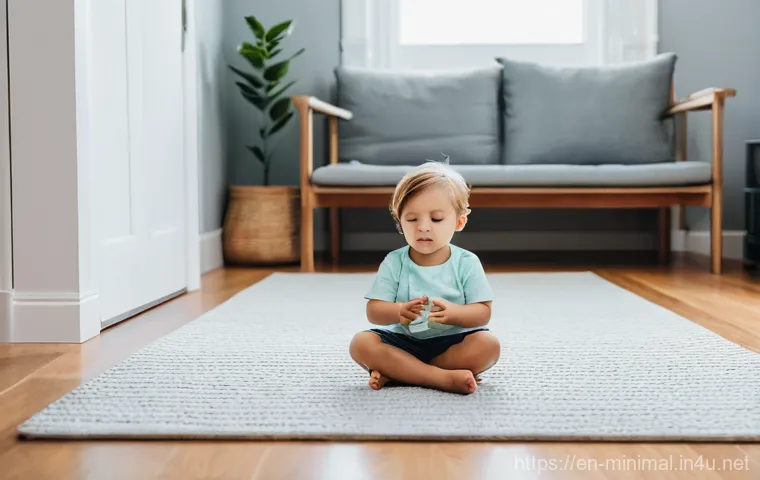
You know, for years, I felt like I was constantly battling an avalanche of toys, clothes, and just… stuff. Every time I’d tidy up, it felt like two more things appeared out of nowhere. It wasn’t just the visual clutter that was draining; it was the mental load of managing it all. The endless organizing, cleaning, and replacing became a huge source of stress for me, and honestly, for my kids too. They’d get overwhelmed by choices, unable to focus on any one toy for more than a minute, and surprisingly, they’d still complain about being bored. My “aha!” moment came when I realized that a clearer physical space could lead to a clearer mental space for all of us. When we started decluttering, it felt daunting at first, almost like saying goodbye to parts of our past. But as we let go of things we no longer needed or truly loved, a sense of calm began to settle in our home. I’ve personally found that the less there is to distract, the more deeply my children engage with what they have. It’s not about having an empty house, but about curating an environment that supports calm, creativity, and connection.
Tackling Toy Overload with Intention
Oh, the toys! This is often the biggest hurdle for parents embarking on a minimalist journey, and believe me, I’ve been there. My kids had so many toys they barely touched half of them, yet they were always asking for more. My strategy shifted from “what can we get rid of?” to “what truly sparks joy and serves a purpose?” We started with a simple rule: if it’s broken, missing parts, or hasn’t been played with in months, it’s time for it to go. I involve my children in this process, asking them to help decide what stays and what goes, explaining that we can donate toys to other kids who might enjoy them more. This isn’t about forcing them to part with beloved items, but about teaching them intentionality and generosity. It’s incredible to see how much more they appreciate the toys that remain, and how much more imaginative their play becomes when they’re not swamped by endless options. We’ve embraced toy rotations, storing some items away and bringing them out periodically, which makes old toys feel new again and keeps engagement high.
The Mental Clarity of a Tidy Space
Beyond the aesthetic appeal, a tidy home profoundly impacts mental well-being for the entire family. I used to feel a constant hum of low-level anxiety, knowing there were always piles to sort, dishes to put away, or toys to trip over. This background noise of domestic disarray chipped away at my patience and energy. Once we started embracing minimalism, that mental hum quieted down significantly. I realized I was spending less time searching for lost items, less time cleaning around clutter, and more time actually engaging with my kids. They, in turn, seemed calmer and more focused. I’ve noticed a significant reduction in sibling squabbles over toys because there’s simply less to fight over, and more space for cooperative play. It’s like our home transformed from a chaotic battlefield into a peaceful haven, allowing us to connect on a deeper level without the constant distraction of “stuff” demanding our attention. This isn’t to say our house is always spotless – life with kids is messy! But the baseline is so much more manageable, making the inevitable messes feel less overwhelming.
Beyond the ‘New Shiny Thing’: Prioritizing Experiences
I remember a time when every holiday or birthday meant a frantic scramble for the “perfect” gift – usually something big, flashy, and expensive that would hold my kids’ attention for a week, maybe two, before being relegated to the bottom of the toy bin. It was an exhausting and unfulfilling cycle. Then, I had a revelation: what if we invested in moments rather than objects? This shift has been revolutionary for our family. Instead of buying another plastic gadget, we started planning weekend hikes, visits to museums, or even just special baking sessions at home. The joy from these experiences lasts so much longer; they become cherished family stories we retell for years. My kids don’t remember every single toy they’ve received, but they vividly recall the time we built a giant fort in the living room or explored a new trail in the local park. This isn’t just about saving money, although that’s a nice bonus; it’s about enriching our lives with memories that build strong family bonds and foster a deeper appreciation for the world around us.
Investing in Memories, Not Merchandise
For me, the real magic of minimalist parenting lies in consciously choosing to invest in memories over merchandise. When my kids’ birthdays roll around, instead of asking for a list of toys, we’ll often suggest a trip to a local amusement park, tickets to a special show, or even a weekend camping adventure. These are the things that truly light up their eyes and provide opportunities for growth and learning. We’ve found that experiences offer so much more than transient joy; they build character, teach resilience, and spark curiosity. For example, a simple day at the beach doesn’t just mean playing in the sand; it means learning about tides, spotting marine life, and navigating new environments. These shared adventures create a rich tapestry of family history, strengthening our connection in ways that no material possession ever could. It’s about being present and creating those “I remember when…” moments that truly matter in the long run.
Simple Adventures, Lasting Bonds
You don’t need to plan an elaborate vacation to create lasting memories. Some of our most cherished family moments have come from the simplest of adventures. A picnic in the backyard, exploring a new playground, an afternoon spent at the library, or even just a dedicated “family game night” where phones are put away and we’re all fully present. These small, consistent efforts add up to a huge impact on family bonding. I’ve noticed my kids are more engaged and appreciative when we focus on these simple outings rather than constantly seeking out grand, expensive events. It teaches them to find joy in the everyday and to value quality time together above all else. It’s about recognizing that connection isn’t something you buy; it’s something you cultivate through shared experiences, laughter, and being truly present with one another. These moments, often unphotographed and spontaneous, are the bedrock of our family’s happiness.
Unleashing Imagination: Fostering Creative Play
One of the most surprising and delightful outcomes of embracing minimalist parenting has been witnessing my children’s creativity absolutely blossom. When their play spaces were crammed with every conceivable toy, they often seemed overwhelmed, flitting from one thing to another without really engaging. They’d stand amidst a mountain of plastic and declare, “I’m bored!” It hit me that too many options can actually stifle imagination, rather than ignite it. By reducing the sheer volume of toys, we’ve inadvertently opened up a world of inventive play. Now, with fewer, more open-ended toys and plenty of clear space, I see them building elaborate forts with blankets and pillows, transforming simple blocks into entire cities, or using a stick from the yard as a magic wand for hours. It’s truly amazing how a child’s mind can turn something so basic into an entire universe of adventure. This shift has reinforced my belief that children don’t need a constant stream of novelties to be entertained; they need space, time, and simple tools to create their own worlds.
The Magic of Open-Ended Toys
When we started our minimalist journey, I consciously began to choose toys that could be used in multiple ways, rather than those with a single, predetermined function. Think wooden blocks, Magna-Tiles, art supplies, dress-up clothes, or even just a collection of natural objects like pinecones and stones. These are what I call “open-ended” toys, and they are pure gold for developing minds. I’ve watched my children use a set of wooden blocks to build a castle one day, a race track the next, and an animal sanctuary the day after that. There are no instructions, no “right” way to play, which allows their imaginations to run wild. This kind of play fosters problem-solving skills, encourages storytelling, and develops fine motor skills, all while keeping them deeply engaged for extended periods. It’s a stark contrast to the quick gratification and even quicker abandonment of highly specialized, battery-operated toys that do all the “playing” for the child. Investing in a few high-quality, versatile items has proven to be far more enriching than a room full of fleeting fads.
Boredom as a Catalyst for Creativity
This might sound counterintuitive in a world where we’re constantly trying to entertain our children, but I’ve learned to embrace boredom as a powerful catalyst for creativity. Before, whenever my kids would say, “I’m bored,” my instinct was to immediately offer a solution, a new activity, or a screen. Now, I often respond with, “That’s great! What do you think you could do with that feeling?” Or I might suggest they look around and see what they can invent or create. It’s truly incredible to witness how quickly their minds jump into action. Sometimes they’ll disappear into their room and emerge with an elaborate drawing, a new game they invented, or a puppet show they’ve prepared. Other times, they’ll simply sit and observe, which is equally valuable for developing mindfulness and internal processing. I’ve realized that giving children the space to be “bored” is giving them the gift of self-sufficiency and the opportunity to tap into their inner resources, rather than relying on external stimulation. It’s a vital skill for problem-solving and developing resilience in the long run.
Simplifying Daily Rhythms: Less Stress, More Joy
Before, our mornings felt like a chaotic race against the clock, and evenings were a series of nagging and rushed routines. I was constantly barking orders, and everyone, including myself, felt perpetually stressed and on edge. Minimalist parenting isn’t just about decluttering physical items; it’s about decluttering our schedules and routines too. When we simplified our daily rhythms, it was like a huge sigh of relief for our entire family. We cut down on unnecessary errands, established clear, consistent expectations for morning and evening tasks, and built in more buffer time. The result? A much calmer household, fewer arguments, and more genuine connection. It’s not about being rigid, but about creating a predictable flow that reduces decision fatigue and allows everyone to move through their day with a greater sense of ease. I’ve found that when our daily structure is simpler, there’s more space for spontaneity and joy, which, ironically, makes our lives feel richer and fuller.
Streamlining Morning and Evening Routines
Our mornings used to be a frantic scramble to get everyone dressed, fed, and out the door on time. I realized a lot of the stress came from having too many steps, too many options, and not enough preparation. We simplified by choosing outfits the night before, having breakfast options that are quick and easy, and creating a visual checklist for everyone to follow. For instance, my kids now know that after brushing their teeth, they need to make their bed and get dressed without me having to remind them ten times. The same goes for evenings: a consistent bedtime routine that includes tidying up a few toys, a bath, reading, and then lights out, makes winding down so much smoother. By reducing the number of choices and establishing clear, consistent steps, we’ve significantly cut down on the power struggles and meltdowns. It’s incredible how much peace a predictable routine can bring, transforming what used to be the most stressful parts of our day into calm, connected moments.
Mealtime Minimalism: Reducing Decision Fatigue
Meal preparation used to be another source of daily overwhelm for me. What to cook? Do we have the ingredients? Will anyone actually eat it? The endless cycle of planning, shopping, and cooking distinct meals every single day felt like a monumental task. I’ve embraced a minimalist approach to meals, and it has been a game-changer. This means simplifying our meal plans, often rotating a set of family favorites, and not being afraid to have “theme nights” or simple, hearty options. For example, Monday might be pasta night, Tuesday tacos, Wednesday a big salad with protein. We also focus on having fewer, high-quality ingredients that can be used in multiple ways. This doesn’t mean boring meals; it means reducing the mental load of constant decision-making and grocery shopping. I’ve found that when I’m less stressed about dinner, I’m more present and enjoyable at the dinner table, making mealtime a much more pleasant experience for everyone. It’s about feeding our bodies nourishing food without draining our mental energy.
Mindful Consumption: Teaching Our Kids True Value
In a world that constantly bombards us with messages to buy more, newer, better, teaching our children about mindful consumption feels more important than ever. I used to worry that by having “less,” my kids would feel deprived or somehow disadvantaged compared to their peers. What I’ve found, however, is the exact opposite. By intentionally choosing what comes into our home, we’re not just decluttering; we’re teaching our children invaluable lessons about true value, gratitude, and the environmental impact of our choices. They’re learning to appreciate what they have, to distinguish between needs and wants, and to understand that happiness isn’t found at the bottom of a shopping bag. This approach has fostered a deeper sense of contentment and an awareness of the world around them, far beyond the latest gadget. It’s about empowering them to be conscious consumers and responsible global citizens, a lesson I believe will serve them far better than any material possession ever could.
Making Conscious Choices About What Comes In
This is where the rubber meets the road. It’s not just about decluttering what’s already in your home, but about being a gatekeeper for what enters it in the first place. I’ve implemented a “one in, one out” rule for certain categories, especially clothing and toys. If a new shirt comes in, an old one needs to go. This helps prevent accumulation and encourages thoughtful purchases. Before buying something new, I ask myself (and sometimes my kids), “Do we truly need this? Does it serve a purpose? Will it add value or just clutter?” We also consider durability and sustainability. I’d rather invest in one well-made item that lasts for years than several cheap, flimsy ones that break quickly and end up in a landfill. This thoughtful approach to consumption not only keeps our home from overflowing but also models responsible decision-making for our children. They see us making conscious choices, and over time, they start to internalize those values themselves, asking thoughtful questions before they clamor for the latest toy.
Involving Kids in the ‘Less is More’ Journey
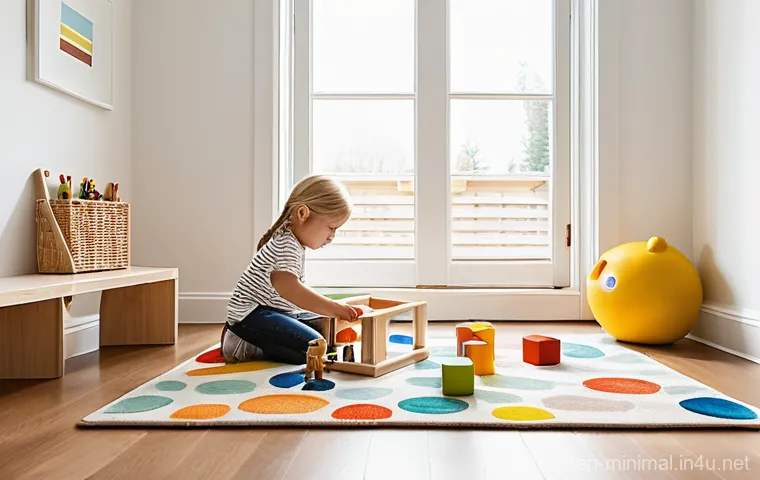
Getting your children on board with a minimalist mindset doesn’t happen overnight, but involving them in the process is key. I’ve found that when kids feel like they have a say, they’re much more invested. We have conversations about where our clothes come from, how toys are made, and what happens to things we no longer need. We talk about the environmental impact of excessive consumption and the joy of donating items to others who might need them more. For example, before birthdays or holidays, we’ll often do a “toy audit” to make space for new gifts, deciding together what to keep, donate, or sell. This teaches them about stewardship and empathy. It’s not always perfectly smooth sailing – there are definitely moments of resistance – but by consistently explaining the “why” behind our choices, and showing them the benefits (more time for play, less stress), they’ve slowly but surely embraced the “less is more” philosophy. It’s a journey, not a destination, and it’s one we’re navigating together.
Navigating Social Waters: Gifts, Parties, and Peer Pressure
One of the trickiest aspects of embracing minimalist parenting, especially in our consumer-driven society, is navigating social expectations. Birthday parties, holidays, and even playdates can bring a deluge of new items into your home, often from well-meaning friends and family who simply don’t understand your family’s chosen path. I used to dread these occasions, worrying about how to manage the influx of “stuff” without seeming ungrateful or offending anyone. But I’ve learned that it’s possible to maintain your minimalist values while still being gracious and fostering healthy social connections. It requires a bit of communication, a lot of grace, and a firm but gentle approach to managing expectations. The goal isn’t to be a purist who rejects all gifts, but to find a balance that honors your family’s values while respecting others. It’s about teaching your children how to navigate these situations with integrity and gratitude, without succumbing to constant external pressure.
Graciously Managing Gifts from Others
Receiving gifts, especially for children, is a wonderful gesture of love and generosity. My approach has evolved from trying to subtly hint at no gifts (which rarely works!) to openly communicating our family’s preference for experiences or consumables. For close family members, I might suggest practical items like art supplies, books, or contributions to an experience fund (for a zoo membership, a concert, etc.). For broader circles, I simply express deep gratitude for any gift, and then gently manage the items afterward. Sometimes this means a new toy replaces an old one, or a particularly cherished gift finds a temporary home before being rotated out or donated if it truly doesn’t resonate. I teach my children to express sincere thanks for every gift, regardless of whether it’s something we’ll keep forever. It’s about valuing the giver’s intent. I also store new toys for a little while before introducing them, which makes them feel special and gives me time to assess their fit with our existing collection. It’s a delicate dance, but one that gets easier with practice and clear communication.
Finding Your Family’s ‘Enough’ Amidst the Noise
It’s easy to get caught up in the “keeping up with the Joneses” mentality, especially when you see other kids with the latest and greatest toys or wearing designer clothes. My kids, like any others, have sometimes asked why they don’t have something their friends do. This is where the power of open conversation comes in. We talk about our family’s values – that we prioritize experiences, family time, and creativity over accumulating lots of things. We discuss how different families make different choices, and that’s perfectly okay. It’s about helping them understand that “enough” looks different for everyone, and our “enough” allows us to have more of what truly makes us happy. I focus on highlighting the benefits they *do* enjoy from our minimalist lifestyle – more space to play, more time with us, less stress. This teaches them to be content with what they have, to understand their own family’s unique identity, and to develop resilience against external pressures. It’s a continuous conversation, but one that builds strong character and a clear sense of self-worth.
The Financial Freedom of Less Stuff
Let’s be real: parenting can be expensive. From diapers and formula to extracurricular activities and college funds, the costs can feel endless. Before I embraced minimalist parenting, I often felt like I was constantly chasing my tail financially, trying to keep up with the perceived needs of a growing family. The truth is, the more stuff you have, the more you spend – not just on the initial purchase, but on storage, maintenance, and eventually, replacement. When we started intentionally reducing our consumption, I was genuinely surprised by the financial freedom it unlocked. It wasn’t just about saving money; it was about redirecting those resources towards things that truly mattered to us: enriching experiences, family travel, and investing in our children’s future. This newfound financial breathing room significantly reduced a major source of stress in our household, allowing us to focus more on living and less on just earning to pay for things. It’s one of the most tangible and rewarding benefits I’ve personally experienced on this journey.
Saving Money and Investing in What Matters
The link between minimalism and financial health is undeniable. By simply buying less, we naturally save more. But it goes beyond just cutting down on impulse purchases. We’ve become more intentional about our larger expenses too. For example, instead of upgrading to a bigger house just to fit more stuff, we optimized the space we already had. Instead of buying countless cheap plastic toys, we invest in a few high-quality, durable items that last longer and hold their value better. The money we save is then channeled into things that truly bring us joy and long-term benefit. This could be a family vacation, swimming lessons for the kids, or even simply building up our savings account for a greater sense of security. I’ve noticed a significant reduction in financial anxiety, which in turn has created a more relaxed and positive atmosphere in our home. It’s empowering to know that our money is working for us, not just being spent on transient possessions that offer little lasting value.
Reclaiming Time and Energy from ‘Stuff’
Beyond the direct financial savings, one of the biggest, often overlooked, financial benefits of minimalism is the reclaiming of time and energy. Think about it: every item you own demands a piece of your time – to research it, buy it, clean it, organize it, repair it, and eventually, dispose of it. Before, I spent countless hours shopping for things we didn’t truly need, then even more time organizing and cleaning them. That’s time I could have spent playing with my children, pursuing a hobby, or simply relaxing. Since embracing minimalism, I’ve found that my ‘to-do’ list related to household management has shrunk dramatically. There’s less to clean, less to organize, and less to maintain. This frees up precious hours and mental energy, which I can now redirect towards meaningful activities and relationships. It’s like getting a raise without earning a single extra dollar, because my time, which is truly invaluable, is no longer being consumed by the demands of excessive possessions. This is truly the ultimate return on investment in a minimalist lifestyle.
Embracing Imperfection: The Reality of Minimalist Family Life
I want to be completely honest: minimalist parenting isn’t about achieving a perfectly spotless, Zen-like home where children always play quietly with wooden toys. That’s a myth, and an unrealistic one at that! It’s about striving for intentionality, not perfection. There will still be crayon marks on the walls (that you lovingly clean), toy explosions (that are much easier to tidy up), and days when everything feels chaotic. My journey has been filled with trial and error, moments of doubt, and the occasional lapse into old habits. But the beauty of it is that it’s a process, a continuous evolution. It’s about creating a lifestyle that *supports* your family’s well-being, not one that adds another layer of unattainable pressure. Embracing imperfection has been a crucial step for me, allowing me to let go of the need for an ideal and instead find joy and peace in the perfectly imperfect reality of our minimalist family life. It’s about progress, not perfection, and finding what truly works for your unique family.
Learning to Let Go of the Ideal
One of the hardest lessons I’ve learned on this journey is letting go of the idealized image of what a “minimalist home” or “minimalist family” should look like. Social media often presents these pristine, almost sterile environments, which can be incredibly intimidating and make you feel like you’re failing if your home isn’t picture-perfect. I had to consciously remind myself that my goal isn’t to replicate an Instagram aesthetic; it’s to create a functional, joyful, and peaceful home for my kids. This meant accepting that sometimes there will be a pile of art projects on the dining table or a basket of laundry waiting to be folded. It meant understanding that children are inherently messy, and their play often involves spreading things out. Releasing the pressure to be “perfectly minimalist” has been incredibly liberating. It allowed me to focus on the core principles – less stuff, more intentionality – without getting bogged down by unrealistic expectations. It’s about finding *our* version of enough and accepting that it will look different from anyone else’s.
The Messy Middle: Progress, Not Perfection
As I often tell my friends who are curious about minimalism, it’s less about a destination and more about a continuous journey. There are seasons in family life – new babies, growth spurts, new hobbies – that will naturally bring in new items and sometimes, new clutter. The “messy middle” is the reality of living with children while striving for a simpler life. I’ve learned to view these moments not as failures, but as opportunities to reassess and re-declutter. Perhaps a new sport means new equipment; then we can discuss what old equipment is no longer needed. It’s about developing a mindset of constant evaluation and intentionality rather than a one-time purge. This flexible approach allows for growth and change within our minimalist framework, making it sustainable and realistic for a busy family. It’s okay if things aren’t always perfect; what matters is the consistent effort to prioritize what truly brings value and joy, and to let go of what doesn’t. And trust me, the peace and connection you gain are absolutely worth the occasional mess.
| Aspect of Life | Traditional Parenting Approach (Often) | Minimalist Parenting Approach (My Experience) |
|---|---|---|
| Toys & Play | Abundance of diverse toys, frequent new purchases, short attention spans. | Fewer, open-ended toys, focus on creative and imaginative play, longer engagement. |
| Activities | Packed schedules with multiple extracurriculars, pressure to do “it all.” | Intentional selection of activities, more free play, emphasis on family time. |
| Home Environment | Cluttered spaces, constant battle with organization, mental overwhelm. | Clearer spaces, easier maintenance, sense of calm and focus. |
| Spending Habits | Frequent impulse buys, keeping up with trends, higher financial stress. | Mindful consumption, investment in experiences, greater financial freedom. |
| Family Connection | Distractions from “stuff,” less focused time together. | More present interactions, deeper bonds through shared experiences. |
Wrapping Up
So there you have it – a deep dive into what minimalist parenting has truly meant for our family. It’s been a transformative journey, one that’s brought more peace, more joy, and a stronger connection than I ever thought possible. It’s not about deprivation or living without, but about intentionality and recognizing what truly enriches our lives. We’ve learned to value moments over material things, foster imagination over endless gadgets, and find calm in simplified routines. It’s an ongoing adventure, full of learning and adapting, but one I wouldn’t trade for anything. I sincerely hope sharing our experiences helps you find your own path to a more serene and fulfilling family life.
Helpful Tips You Didn’t Know You Needed
1. Start Small and Be Patient: Don’t feel like you need to overhaul your entire home overnight. Pick one area that feels most overwhelming, like the toy bin or a single closet, and tackle that first. Celebrate small victories, and remember that this is a marathon, not a sprint. Your family didn’t accumulate everything in a day, and you won’t declutter it all in one go either. Consistency, even in small steps, is far more impactful than trying to do too much too soon and burning out. Embrace the process and allow everyone, including yourself, time to adjust to these new habits and ways of thinking.
2. Embrace the “One In, One Out” Rule: This simple principle can be a game-changer for preventing new clutter from accumulating. For every new item that enters your home, whether it’s a piece of clothing, a toy, or a book, one similar item must leave. This helps you constantly evaluate what you truly need and use, and it teaches your children a valuable lesson about responsible consumption. It forces conscious decision-making before a purchase, making you think about the long-term impact on your home’s serenity, rather than just the immediate gratification of a new item.
3. Prioritize Experiences Over Things for Gifts: When birthdays, holidays, or other gift-giving occasions roll around, subtly suggest experiences instead of physical items to friends and family. This could be anything from a museum membership, tickets to a show, a local class, or even contributions to a “family adventure fund” for a special trip. The memories created from these shared moments will last far longer and contribute more to your family’s happiness and connection than any toy ever could. Plus, it significantly reduces the influx of new items that you then have to manage or find space for.
4. Create a “Launchpad” for Mornings and Evenings: Designate a specific, clutter-free area in your home, perhaps near the door or in each child’s room, where essential items for the next day can be laid out. This might include school bags, shoes, jackets, and even pre-chosen outfits. For evenings, a similar “landing strip” for things like pajamas and books can streamline the bedtime routine. This simple hack significantly reduces morning chaos and evening struggles, freeing up mental energy for more meaningful interactions and making your daily rhythms much smoother and less stressful for everyone involved.
5. Involve Your Children in the Process: Minimalist parenting isn’t something you do *to* your children; it’s something you do *with* them. Involve them in age-appropriate ways, from helping sort their toys to understanding why you’re making conscious choices about purchases. Explain the “why” behind your decisions – how less stuff means more time for play, more adventures, and a calmer home. When children feel heard and have a say, they’re much more likely to embrace the philosophy and internalize its benefits, turning it into a collaborative journey rather than a parental decree.
Key Takeaways
Ultimately, minimalist parenting has taught us that true richness isn’t found in what we accumulate, but in how we live and connect. It’s about being present, fostering creativity, and building a sanctuary for our families amidst the busyness of modern life. This journey empowers us to reclaim our time, reduce stress, and cultivate deeper bonds, showing our children that joy and contentment come from within and through shared experiences, rather than external possessions. It’s a continuous, evolving process that prioritizes what genuinely matters, leading to a more intentional, joyful, and financially free family life.
Frequently Asked Questions (FAQ) 📖
Q: What exactly is minimalist parenting, and isn’t it just about being super strict or not letting my kids have toys?
A: Oh, I totally get why you might think that! When I first heard “minimalist parenting,” I pictured bare rooms and sad kids staring at a single wooden block.
But let me tell you, that couldn’t be further from the truth. Minimalist parenting isn’t about deprivation or being super strict. It’s about being intentional.
Think of it as consciously choosing to create an environment that supports your family’s values, rather than just letting “stuff” accumulate by default.
For me, it was about realizing that my kids didn’t play with 90% of their toys, and the sheer volume of them was actually stressing them out and me! We weren’t throwing things away to be mean; we were making space for what truly mattered: imaginative play, deeper connections, and less overwhelming choices.
It’s about quality over quantity, every single time. It’s about teaching our kids that joy comes from experiences and relationships, not from the latest plastic gadget.
In my own experience, once we embraced this, the house felt lighter, my kids played more creatively, and honestly, our family felt more connected.
Q: How does cutting down on “stuff” actually help my kids grow and develop?
A: This is where the magic really happens, and it’s what truly sold me on this lifestyle! It might seem counterintuitive, but fewer toys actually encourage more creativity and problem-solving.
When my kids had mountains of toys, they’d flit from one thing to another, never really engaging deeply. But with a curated selection, I noticed a huge shift.
Suddenly, that one set of building blocks wasn’t just building blocks; it was a castle, then a spaceship, then an animal sanctuary. Their imaginations absolutely exploded!
Less clutter also means less distraction, which helps improve focus and attention span. Think about it: a child overwhelmed by choice often makes no choice at all, or just gets frustrated.
Furthermore, embracing minimalism in parenting helps kids develop resilience and resourcefulness. They learn to make do with what they have, to invent new games, and to appreciate what’s around them.
It also naturally fosters independence. They become better at organizing their own spaces and taking responsibility for their belongings because there’s simply less to manage.
And honestly, for me, one of the biggest wins has been seeing them engage more with nature and simple, everyday activities, rather than constantly craving novelty from new purchases.
It’s truly amazing to witness.
Q: Okay, I’m sold, but where do I even begin when my house feels like a toy store exploded?
A: I hear you loud and clear! I remember standing in my living room, looking at the avalanche of toys, books, and kid-related “treasures” and feeling utterly paralyzed.
It truly felt overwhelming, like an impossible task. My biggest piece of advice? Start small, really small.
Don’t try to tackle the entire house in one weekend; you’ll burn out. Pick one small area – maybe a single shelf, or just the art supplies. My first step was just gathering all the broken toys and obvious trash.
Easy win! Then, for the next step, I adopted a “one in, one out” rule for new items. This immediately slowed the incoming tide.
When it came to existing items, try the “toy rotation” method. Pack away about two-thirds of the toys and bring out a fresh batch every few weeks. You’ll be amazed at how “new” old toys become, and it instantly reduces visual clutter.
Involve your kids, too, in an age-appropriate way. Ask them, “Which toys do you really love and play with all the time?” or “Which ones do you think another child might love more than you do now?” It empowers them and makes them part of the process, rather than feeling like things are just disappearing.
Remember, this isn’t a race; it’s a journey. Every little bit of intentional decluttering makes a difference, and you’ll slowly start to feel that incredible shift towards a more peaceful home.