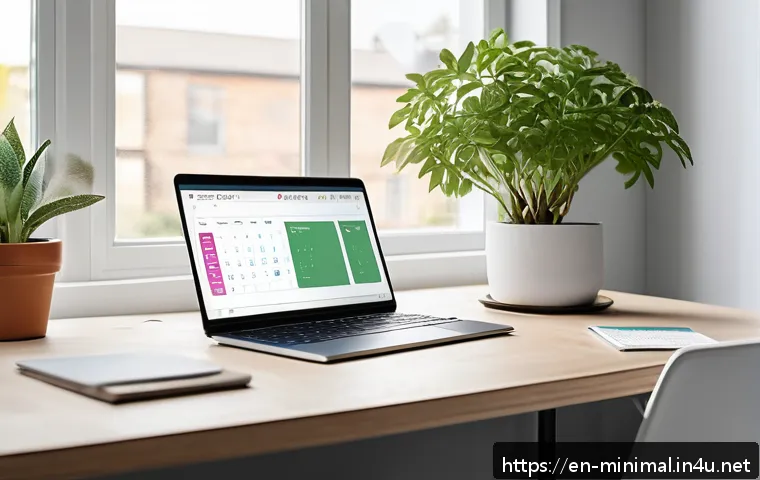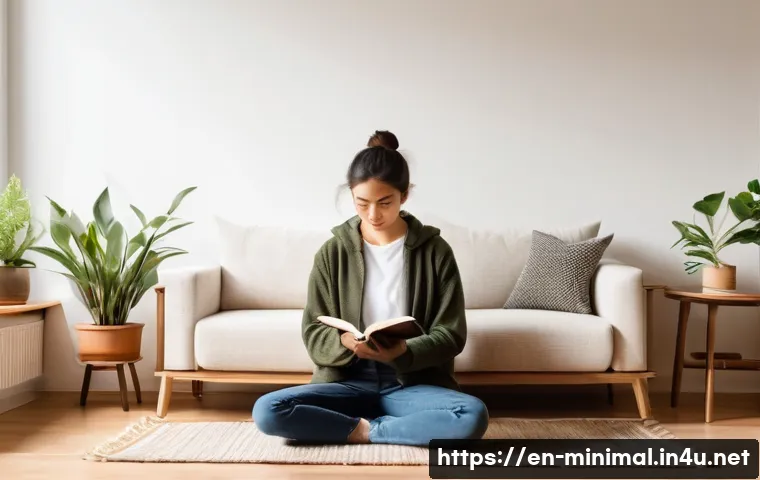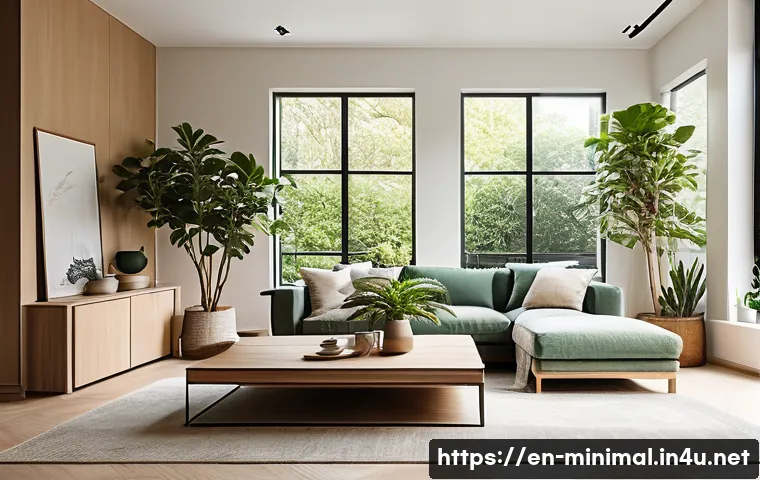
In today’s fast-paced world, the minimalist lifestyle offers a refreshing way to declutter both our physical spaces and minds. Embracing simplicity can lead to greater focus, reduced stress, and more meaningful experiences.
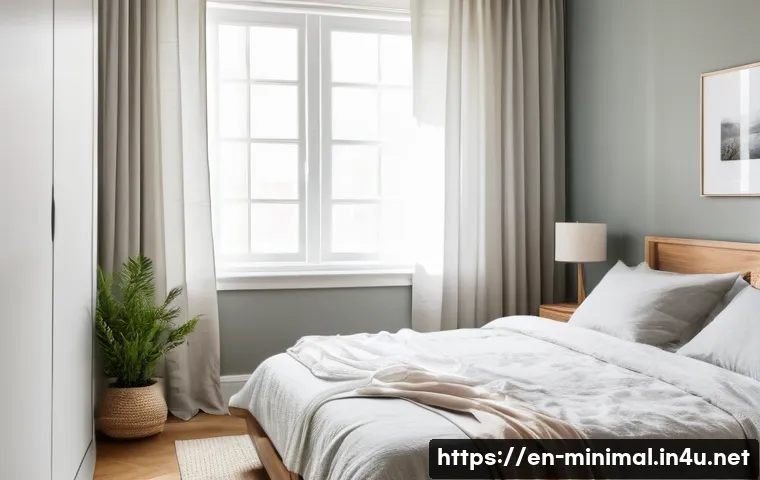
Many people find that letting go of excess possessions helps them prioritize what truly matters. It’s not just about having less, but about making room for more intention and joy.
If you’ve ever felt overwhelmed by the chaos of everyday life, exploring minimalism might be the answer you’re looking for. Let’s dive deeper and uncover how this lifestyle can transform your daily routine for the better!
Creating Space for What Truly Matters
Rethinking Your Relationship with Possessions
When I first started simplifying my life, I realized that it wasn’t just about tossing out things but about understanding why I held on to them in the first place.
It’s fascinating how often items become tied to memories, guilt, or the idea of “just in case.” Over time, I learned to differentiate between sentimental value and unnecessary clutter.
This shift helped me appreciate the objects I kept much more and freed up mental space that was previously overwhelmed by the “what ifs.” Honestly, it felt like a weight was lifted every time I chose to keep something intentionally rather than out of habit.
This mindset change is crucial because it lays the groundwork for a lifestyle that prioritizes purpose over possession.
Designing Your Environment for Clarity and Calm
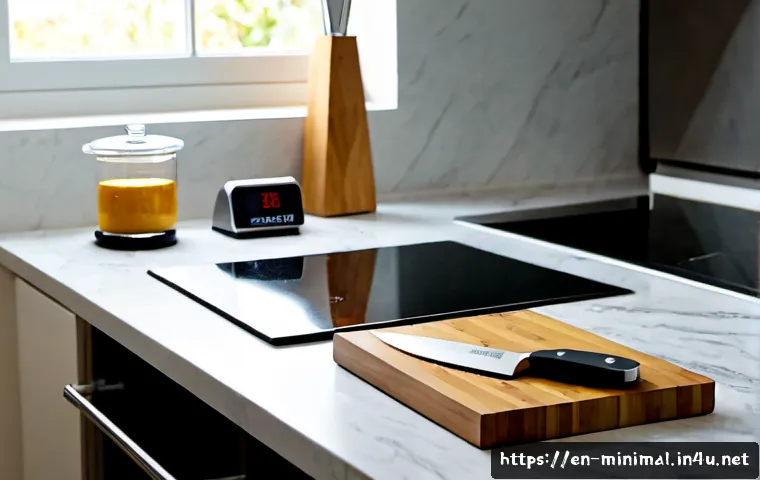
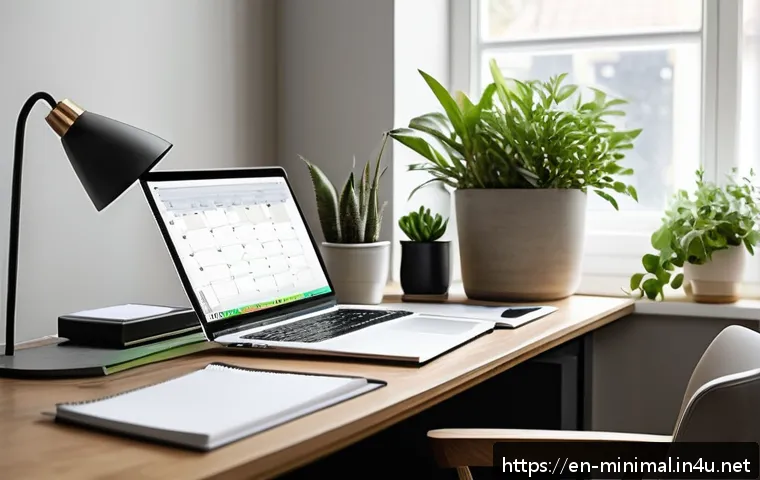
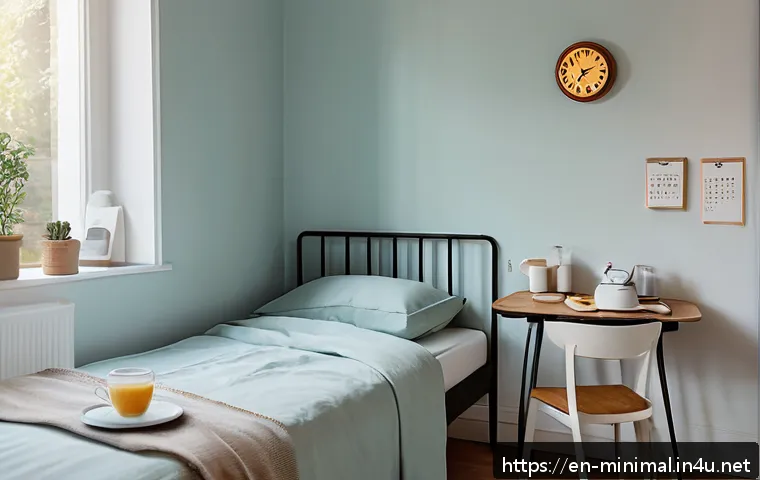
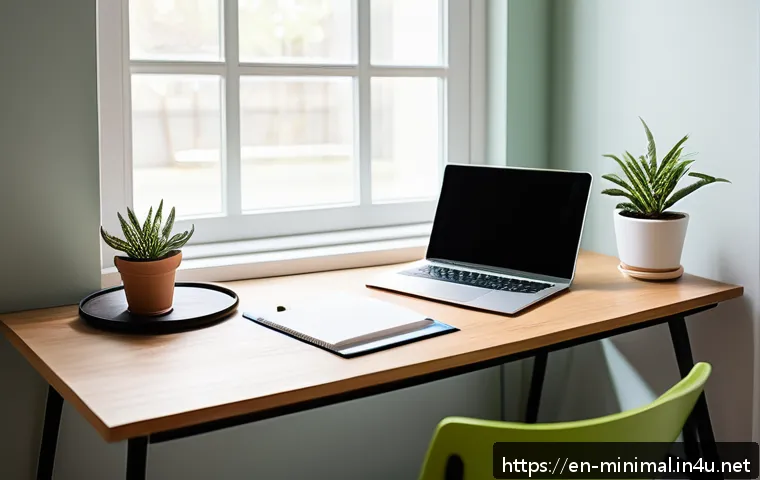
Transforming your living space is one of the most tangible ways minimalism impacts daily life. I found that when my home was less crowded, my mind followed suit.
Clean surfaces, open closets, and fewer decorations create an atmosphere where it’s easier to focus and relax. I started to notice how much time I saved not having to search for things or tidy endlessly.
Plus, a serene space invites creativity and mindfulness. One tip I found incredibly helpful was adopting a “one in, one out” rule—whenever I brought something new home, I committed to removing an old item.
This practice kept clutter from creeping back in and kept my environment constantly fresh and manageable.
Balancing Functionality with Aesthetics
Minimalism doesn’t mean sterile or boring; it’s about intentional beauty. I experimented with keeping only items that served a purpose and brought me joy.
For example, choosing furniture with clean lines but comfortable design made my space both practical and inviting. Colors and textures became more meaningful when I selected them thoughtfully, creating a calm yet warm atmosphere.
This balance between function and style made my home feel like a sanctuary rather than a showroom. It also meant I invested in quality over quantity, which saved money in the long run since I wasn’t constantly replacing cheap or unnecessary items.
Streamlining Daily Routines for More Freedom
Eliminating Decision Fatigue
One of the biggest surprises for me was how much mental energy I saved by simplifying my choices. When your wardrobe consists of fewer, well-coordinated pieces, picking an outfit takes minutes instead of half an hour of indecision.
The same goes for meals—I started meal prepping and using a smaller, consistent grocery list, which drastically reduced the stress of daily planning. This streamlining of routine decisions leaves more brainpower available for creative or meaningful tasks.
It feels like reclaiming time and mental clarity that’s often lost in the clutter of everyday life.
Prioritizing What Energizes You
Minimalism helped me realize that not all tasks and commitments are equal in value. By cutting out activities that drained me or didn’t align with my goals, I created space for things that truly mattered—like spending quality time with family or pursuing hobbies that sparked joy.
This shift wasn’t about being lazy; it was about being intentional with how I invest my energy. I began scheduling downtime without guilt, knowing that rest fuels productivity and happiness.
This balance between action and rest is essential to sustain a fulfilling minimalist lifestyle.
Using Technology Wisely
While technology can sometimes contribute to overwhelm, it can also be a powerful tool for simplification. I started using apps that organize tasks, track habits, and even remind me to take breaks.
Digital decluttering became part of my routine: unsubscribing from unnecessary emails and limiting social media time. This not only freed up mental space but also reduced distractions, allowing me to focus on what’s important.
The key is setting boundaries with technology to avoid it becoming another source of chaos.
Financial Freedom Through Intentional Spending
Understanding the True Cost of Consumption
When I embraced a minimalist lifestyle, I became much more aware of where my money was going. It’s easy to overlook how small, frequent purchases add up and contribute to clutter.
By tracking my spending, I noticed patterns of impulsive buys that didn’t bring lasting satisfaction. This awareness encouraged me to pause before making purchases and ask whether the item would add real value to my life.
Over time, this habit significantly reduced unnecessary expenses and helped me build a healthier relationship with money.
Investing in Experiences Over Things
One of the most rewarding changes was shifting my focus from accumulating stuff to creating memories. I started prioritizing travel, learning new skills, and spending time with loved ones.
These experiences brought me far more joy and fulfillment than material goods ever did. This mindset also helped me save money by avoiding the trap of “retail therapy.” Instead, I found myself investing in activities that enriched my life and deepened connections.
It’s amazing how much richer life feels when you focus on moments rather than things.
Building a Sustainable Budget That Supports Your Values
Minimalism inspired me to create a budget that reflects what truly matters, rather than one driven by consumer culture. I allocated funds toward essentials, savings, and meaningful indulgences while cutting back on wasteful spending.
This intentional budgeting gave me peace of mind and financial stability. It also meant I was less tempted by sales or trendy items because I had a clear sense of my priorities.
Ultimately, this approach made money management less stressful and more aligned with my long-term goals.
Fostering Mindfulness and Emotional Well-Being
The Connection Between Space and Mental Health
Living in a cluttered environment can weigh heavily on the mind. I noticed that as I decluttered my space, my anxiety levels dropped, and my mood improved.
Having a tidy, organized home created a sense of calm and control, which was especially important during stressful times. This physical order translated into mental clarity, making it easier to stay present and focused.
It became clear to me that minimalism isn’t just about possessions—it’s a practice that nurtures emotional well-being.
Practicing Gratitude and Contentment
Minimalism encouraged me to shift from a mindset of scarcity to one of abundance. Instead of constantly chasing more, I learned to appreciate what I already had.
This practice of gratitude made everyday moments richer and helped me find joy in simplicity. It wasn’t about denying myself but about recognizing the value in less.
I started journaling daily gratitude lists, which reinforced positive thinking and reduced feelings of dissatisfaction. This emotional shift has been one of the most profound benefits of living minimally.
Learning to Let Go
Letting go of possessions, habits, or even relationships that no longer serve us can be challenging. I experienced this firsthand when I had to confront attachments I wasn’t ready to face initially.
However, embracing minimalism taught me that release is a form of self-care. It’s about making room for growth and new possibilities. The process of letting go also helped me develop resilience and acceptance.
It’s a journey, and each step toward simplification felt like reclaiming my life from overwhelm.
Building Meaningful Connections Through Simplicity
Quality Over Quantity in Relationships
Minimalism extended beyond my belongings to how I manage relationships. I began focusing on nurturing deeper connections with a smaller circle of friends and family rather than spreading myself thin.
This shift allowed me to be more present and supportive, which strengthened bonds. I noticed that meaningful conversations and shared experiences became more frequent and fulfilling.
It turns out that simplicity can enhance social life by cutting through superficial distractions and fostering authentic interactions.
Creating Space for Community and Giving Back
With less clutter and busyness, I found I had more time and energy to contribute to my community. Whether volunteering, participating in local events, or simply helping neighbors, these activities added a new layer of purpose to my life.
Minimalism created room for generosity and connection, which enriched my sense of belonging. It’s a reminder that living simply isn’t just about self-focus but also about engaging meaningfully with others.
Encouraging Others by Example
As I embraced minimalism, friends and family often asked about my lifestyle changes. Sharing my experiences and the benefits I noticed inspired some of them to explore simplification themselves.
I found that leading by example was one of the most powerful ways to influence others positively. It’s rewarding to see how small shifts can ripple outward, creating a community that values intentional living and well-being.
Minimalism and Sustainability: A Natural Partnership
Reducing Waste Through Thoughtful Consumption
Minimalism naturally encourages sustainability because it promotes buying less and choosing quality over quantity. I became more conscious of packaging, product origins, and durability.
This awareness led me to support brands with ethical practices and prioritize reusable items. These choices not only cut down waste but also aligned with my values around environmental responsibility.
It felt empowering to know that living simply could also mean living gently on the planet.
Embracing Secondhand and Upcycling
Part of my minimalist journey involved discovering the joy of secondhand shopping and creative repurposing. Thrift stores, online marketplaces, and community swaps became treasure troves for unique, affordable items.
Upcycling old belongings into something new added a fun, personal touch to my space and wardrobe. This practice reduced demand for new products and prevented items from ending up in landfills.
It also sparked creativity and resourcefulness, making sustainability an enjoyable part of daily life.
Creating Lasting Habits for a Greener Future
Minimalism helped me develop habits that support long-term sustainability, like mindful consumption, reducing energy use, and composting. These small daily actions accumulate to make a significant impact.
I also found that minimalism encourages reflection on how our choices affect the world around us, fostering a deeper sense of responsibility. This lifestyle isn’t just a trend but a meaningful commitment to care for both ourselves and the planet.
| Aspect | Benefits | Practical Tips |
|---|---|---|
| Decluttering | Reduces stress, improves focus, creates calm spaces | Use the “one in, one out” rule; donate unused items regularly |
| Routine Simplification | Frees mental energy, saves time, reduces decision fatigue | Meal prep weekly; create capsule wardrobes |
| Financial Management | Promotes intentional spending, builds savings, reduces impulsive buys | Track expenses; budget for experiences over things |
| Mindfulness | Enhances emotional well-being, fosters gratitude, reduces anxiety | Practice daily gratitude; declutter digital devices |
| Sustainability | Reduces waste, supports ethical consumption, encourages resourcefulness | Buy secondhand; choose reusable items; compost organic waste |
Overcoming Common Challenges on the Minimalist Path
Dealing with Sentimental Attachments
One of the toughest parts of minimalism is letting go of items tied to memories or emotions. I’ve faced moments where the thought of parting with something felt like losing a piece of my past.
What helped me was taking photos of sentimental items before donating them or creating small memory boxes with just the essentials. This way, I honored the memories without holding on to clutter.
It’s a deeply personal process, and patience is key. Over time, the emotional weight lightens, and you realize the memories live within you, not in things.
Managing Social Pressures and Expectations
Sometimes, minimalism can feel isolating or misunderstood, especially when friends or family don’t share your values. I’ve experienced subtle pressure to conform or justify my choices.
What worked for me was open communication about why minimalism matters to me, focusing on the positive changes rather than what I’m giving up. Surrounding myself with like-minded communities online and offline also provided support and encouragement.
It’s important to remember that minimalism is a personal journey and doesn’t have to look the same for everyone.
Maintaining Momentum Over Time
It’s easy to start strong but slip back into old habits. I found that setting small, achievable goals and celebrating progress kept me motivated. Regularly revisiting why I chose minimalism helped me stay aligned with my values.
I also scheduled periodic decluttering sessions to prevent buildup. Minimalism isn’t about perfection but consistent effort toward a simpler, more intentional life.
Embracing flexibility and self-compassion made the journey sustainable and rewarding.
Closing Thoughts
Embracing minimalism has been a transformative journey that goes beyond just decluttering physical space. It’s about creating room for what truly matters—clarity, intentionality, and meaningful connections. By simplifying my environment, routines, and mindset, I’ve found a greater sense of freedom and peace. This lifestyle invites ongoing growth and encourages us to live with purpose and joy every day.
Useful Information to Keep in Mind
1. Simplifying possessions helps reduce stress and enhances mental clarity by removing distractions from your environment.
2. Streamlining daily routines, like meal prepping and capsule wardrobes, saves time and minimizes decision fatigue.
3. Being mindful of spending patterns fosters financial stability and encourages investing in experiences rather than material goods.
4. Practicing gratitude and regular decluttering supports emotional well-being and cultivates contentment.
5. Choosing sustainable habits, such as buying secondhand and reducing waste, aligns minimalism with environmental responsibility.
Key Takeaways
Living minimally is a personal and evolving process that prioritizes intentional choices over accumulation. It involves balancing practicality with aesthetics, simplifying routines to free mental energy, and fostering meaningful relationships. Financial mindfulness and sustainable habits are essential components that support both personal growth and ecological care. Ultimately, minimalism is about creating space—physically and emotionally—for a life filled with purpose, joy, and genuine connection.
Frequently Asked Questions (FAQ) 📖
Q: How can I start adopting a minimalist lifestyle without feeling overwhelmed?
A: Starting small is key. Begin by choosing one area of your life—like your closet or kitchen—and declutter it step by step. Don’t rush to get rid of everything at once.
I found that setting aside just 10-15 minutes a day to sort through items made the process manageable and less stressful. Focus on keeping things that truly add value or joy to your life.
Over time, this gradual approach helped me build sustainable habits without feeling deprived or overwhelmed.
Q: Will minimalism mean giving up all my favorite things and hobbies?
A: Absolutely not! Minimalism isn’t about deprivation; it’s about intentional living. It’s about keeping what truly matters to you and letting go of distractions.
For example, I love photography, so I kept my camera gear but got rid of duplicate accessories I never used. The goal is to create space—both physically and mentally—for the things that bring you happiness and fulfillment.
You might find that by simplifying, you actually have more time and energy to enjoy your favorite hobbies.
Q: How does minimalism help reduce stress and improve focus?
A: Clutter can be surprisingly draining on your mind. When your environment is chaotic, it’s harder to concentrate and relax. By simplifying your surroundings, you create a calmer space that naturally promotes clearer thinking.
From my experience, once I cleared out unnecessary stuff, I felt less anxious and more in control. The minimalist lifestyle encourages you to prioritize what’s important, which leads to better time management and a more peaceful daily routine.
It’s like giving your brain a fresh start every day.