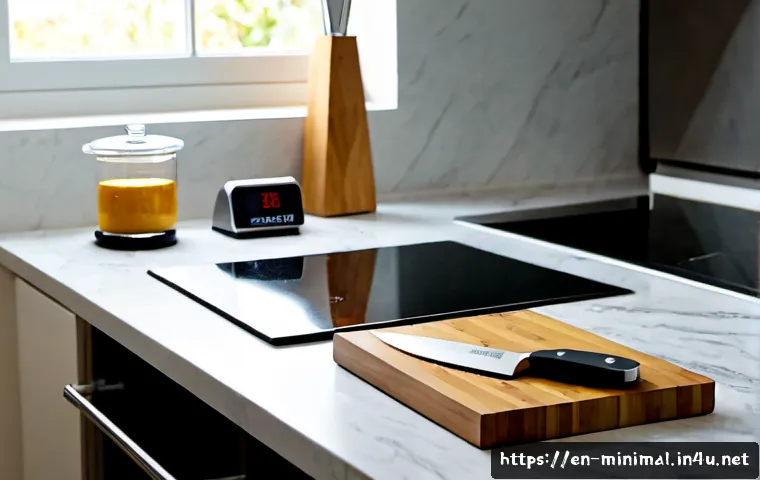
A minimalist kitchen works best with a small set of versatile tools you use regularly, rather than a cabinet full of specialty gadgets. Start with dependable cookware, one sharp chef’s knife, practical food-storage containers, and only the appliances that earn their space each week.
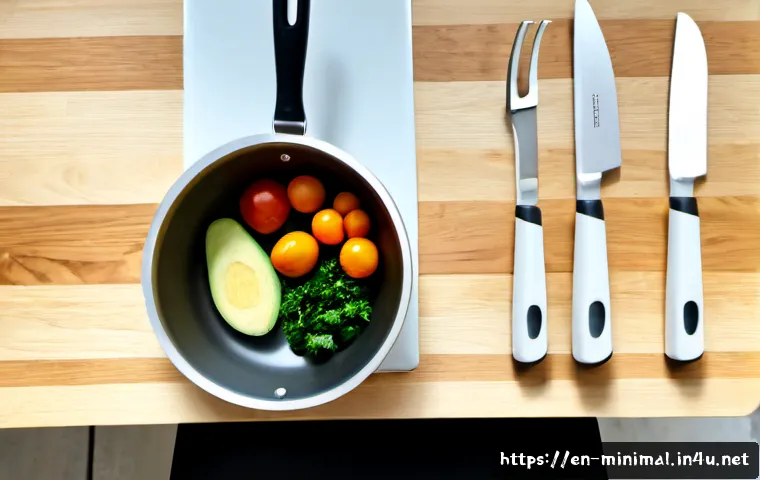
This approach makes shopping decisions easier because it focuses on durability, storage footprint, cleaning effort, and likely replacement needs. Paying more can make sense for a frequently used pan, knife, or container system, but only when its material and care requirements fit your routine.
The right setup will look different for a renter, a batch cook, or someone who mostly orders takeout. Before buying anything, identify the tools that solve a recurring cooking need.
At a Glance
- Core starter set: versatile cookware, a sharp chef’s knife, basic prep tools, and storage suited to how you keep food.
- Worthwhile upgrades: durable items used often, especially a pan, knife, or nesting container system that fits your space.
- Delay buying: specialty gadgets, duplicate utensils, and countertop appliances without consistent weekly use.
| Category | Upfront Cost Level | Expected Service Life | Storage Footprint | Best Fit |
|---|---|---|---|---|
| Cookware | Varies by material and construction | Varies with material, care, and use | Moderate | Households that cook meals regularly |
| Chef’s knife | Varies by quality and warranty terms | Can support many everyday prep tasks with proper care | Low | Most home cooks |
| Food-storage containers | Varies by material and set design | Depends on intended use and replacement needs | Low to moderate; nesting designs can help | Meal planners, leftovers, and packed lunches |
| Small appliances | Varies by model and function | Varies by use and product quality | Often high | People who use one function consistently |
The Short Answer: A Minimal Kitchen Needs Fewer, More Versatile Tools
The goal is not to own the fewest possible items. It is to keep tools that are used regularly, serve multiple functions, or solve a recurring cooking need. A simple kitchen should still let you prepare the meals you actually eat without creating crowded drawers or difficult cleanup.
The core items that cover most daily cooking
A practical foundation usually includes cookware for your preferred cooking methods, a sharp chef’s knife, a cutting surface, basic stirring and serving tools, and food-storage containers matched to your routine. One useful knife can take the place of several specialty knives for many everyday prep tasks. Start there before considering matching sets or single-purpose gadgets.
The simplest rule for deciding what earns cabinet space
Ask one question: Does this item solve a problem I have repeatedly? If it only seems useful for an occasional recipe, borrow, improvise, or wait. A tool that is easy to clean and easy to store may be more valuable than a more specialized option that stays unused.
What to remove before buying anything new
Look for duplicates, worn items, containers without matching lids, and appliances that take up cabinet or counter space without regular use. Removing these first makes it easier to see what is genuinely missing. It also prevents buying another version of a tool you already own.
Compare Essential Kitchen Categories Before You Spend
Material, maintenance, and storage are more useful comparison points than a long list of features. Consider how often you cook, who will use the item, and whether you can clean and store it comfortably.
Cookware: stainless steel, nonstick, cast iron, and carbon steel
Nonstick cookware can be convenient, but its coating can wear over time. Stainless steel and cast iron typically call for different cooking and maintenance techniques, so neither is automatically the best choice. Carbon steel also has its own handling and care considerations. Choose a cookware material based on your regular meals, willingness to maintain it, weight preferences, and available storage.
A durable pan can be a sensible upgrade when it is used often and fits your cooking style. Do not choose based on appearance alone. Check the material details, care guidance, compatible cooking surfaces, and warranty terms before replacing a frequently used piece.
Knives: one quality chef’s knife versus a large knife block
A sharp chef’s knife can cover many everyday chopping, slicing, and prep tasks. For a lean kitchen setup, that may be more useful than a large knife block filled with pieces you rarely reach for. Prioritize comfort, control, storage, and the care the knife requires over the number of included tools.
If a knife is used almost every day, quality and long-term durability may matter more than buying the lowest-cost option. If you cook rarely, a simple, manageable knife may be the better fit. The key is matching the purchase to actual use.
Food storage: glass, plastic, and space-saving nesting sets
Choose food-storage containers for their intended purpose: pantry organization, refrigerator leftovers, freezing, or reheating. Glass, plastic, and nesting systems each involve different trade-offs in weight, storage footprint, and daily handling. A container set that stacks or nests can reduce cabinet clutter, but it still needs to suit the way you store food.
Before upgrading, inspect what you already have. A complete set that fits your lunch, leftovers, and freezer routine may be more useful than a larger assortment with duplicate sizes or misplaced lids.
Small appliances: counter space versus real weekly use
Small appliances can take significant counter or cabinet space. That makes frequency of use an important buying criterion. An appliance that supports a weekly habit may earn its place; one bought for a single imagined routine may become clutter quickly.
Measure the storage area, consider how often it must be cleaned, and decide whether another tool already performs a similar job. For a rental kitchen or shared kitchen, easy storage can matter as much as the appliance’s function.
Build a Lean Kitchen Setup Step by Step
Start with your most common meals
List the meals you make most often: simple breakfasts, pasta, soups, roasted vegetables, packed lunches, or batch-cooked portions. Then identify the smallest group of tools needed to prepare and store those meals. This method turns a vague decluttering project into a practical shopping list.
Choose multipurpose tools before specialty gadgets
Give priority to tools that handle several tasks. A chef’s knife, basic cookware, and suitable storage containers generally support more daily routines than a gadget designed for one ingredient or one recipe. Specialty tools can be useful, but they should solve a repeat problem rather than a one-time curiosity.
Create a one-in, one-out replacement rule
When a new pan, knife, or storage set comes in, decide what it replaces. This keeps the kitchen from gradually filling with duplicates. It also encourages better decisions about product durability and whether an upgrade is genuinely necessary.
Common Minimal-Kitchen Buying Mistakes
Buying matching sets with unused pieces
Matching cookware or knife sets can look efficient, yet some pieces may never fit your cooking habits. Compare the individual items with your meal routine. A smaller set of useful pieces is often easier to store, clean, and replace thoughtfully.
Choosing low-cost tools that need frequent replacement
The lowest upfront cost is not always the lowest long-term cost. Material, construction, care requirements, and replacement frequency all affect value. This does not mean every kitchen tool should be premium; it means frequent-use items deserve a closer durability comparison.
Ignoring cleaning, weight, and storage limitations
A heavy pan, awkward container, or hard-to-clean appliance may be less useful than it appears. Consider who will lift, wash, and put away the item. In a small kitchen, a product’s storage footprint can be a deciding factor.
Keeping duplicates because they were gifts or sale purchases
A gift or sale item does not need permanent cabinet space. Keep it if it is useful now. If it duplicates a tool you already use successfully, it may be better to pass it along rather than store it “just in case.”
Recommendations by Cooking Style and Living Space
Small apartments and shared kitchens
Focus on nesting storage, multipurpose cookware, and tools with a low storage footprint. Avoid leaving a small appliance on the counter unless it is part of your regular weekly routine. Shared kitchens benefit from clearly defined, easy-to-store essentials.
Frequent home cooks
Frequent cooks may find more value in durable cookware and a comfortable chef’s knife because these items receive steady use. Compare material requirements and cleaning effort before upgrading. The best choice is the one that supports your preferred cooking techniques consistently.
Occasional cooks and takeout-heavy households
Keep the setup simple. A few versatile cooking tools and practical containers for leftovers may be enough. Delay appliance purchases until a cooking habit becomes consistent, rather than buying for a future routine that may not develop.
Households that batch-cook or pack lunches
Food storage becomes a higher priority for households that refrigerate, freeze, reheat, or carry meals. Select containers based on those specific uses, then choose sizes that match your normal portions. A coordinated, easy-to-store system can reduce lid clutter and simplify meal preparation.
Selection Criteria and Comparison Summary
When a premium pan, knife, or storage set is worth the cost
A higher-cost option may be worth considering when it is used frequently, replaces multiple weaker items, fits your available space, and has care requirements you can realistically follow. Product quality, warranty coverage, material claims, and current pricing vary by retailer and model, so compare the details rather than assuming a higher price guarantees better value.
The best questions to ask before replacing an existing tool
Ask whether the current tool still solves the job, whether its limitations affect your routine, and whether the replacement will be easier to clean or store. Also ask whether the new item adds a function you truly need or simply duplicates one you already have.
A final essentials checklist for a low-clutter kitchen
Check these points before buying: Will you use it regularly? Does it replace or consolidate another item? Does the material suit your cooking and care routine? Can it fit in the cabinet, drawer, or counter space available? Is it appropriate for pantry storage, refrigeration, freezing, or reheating if it is a food container? Compare materials and warranty terms before upgrading. For official product details and current conditions, check the relevant product page before making a final choice.
Closing Thoughts
A minimalist kitchen is built around usefulness, not deprivation. Keep the tools that make everyday cooking easier, and let your real habits determine what you add. A smaller collection can still be capable when each item has a clear role. The best upgrade is often the one that replaces clutter rather than adding to it.
Useful Things to Know
1. A tool can be high quality and still be a poor fit if it is difficult to store or maintain.
2. Containers should be chosen according to where and how food will be stored or reheated.
3. A regularly used appliance may justify its footprint; an occasional-use appliance may not.
4. A sharp chef’s knife can reduce the need for several specialty knives.
Important Notes
The ideal number of kitchen items depends on household size, dietary needs, cooking frequency, storage space, and accessibility requirements. No cookware material or appliance is best for every household. Product quality, safety claims, warranty coverage, and current prices should be verified for the specific model and retailer before purchase.
Frequently Asked Questions
Q1. What are the most essential items for a minimalist kitchen?
A1. Focus on versatile cookware, a sharp chef’s knife, basic prep and serving tools, and food-storage containers that match your usual needs. The exact list depends on the meals you prepare and the space you have.
Q2. Is it worth paying more for a chef’s knife and cookware?
A2. It can be worthwhile for items you use often, especially when durability, comfort, and replacement frequency matter. Compare the material, care requirements, product details, and warranty terms before deciding.
Q3. Which kitchen gadgets are usually unnecessary in a small kitchen?
A3. Gadgets that perform only one occasional task, duplicate another tool, or require significant counter or cabinet space are good candidates to delay. Buy them only when they solve a recurring need in your cooking routine.