In today’s fast-paced world, finding true work-life balance feels more challenging than ever. With endless distractions and growing demands, many of us are craving simplicity and peace amidst the chaos.

That’s where minimalism steps in—not just as a design trend, but as a powerful lifestyle choice to reclaim our time and happiness. I’ve personally found that embracing minimalism helps cut through the noise, making space for what truly matters.
Let’s explore practical tips to unlock a simpler, more fulfilling life that supports both your career and personal well-being.
Creating Intentional Boundaries to Protect Your Time
Identifying Time Wasters in Your Daily Routine
One of the first steps toward gaining control over your work-life balance is honestly evaluating where your time goes. I used to think multitasking was a badge of honor until I tracked my daily activities and realized how much time slipped away on mindless scrolling and unnecessary meetings.
By pinpointing these distractions, you can start reclaiming precious minutes—or even hours—that were previously lost without realizing it. For example, setting a timer for social media use or batching emails into specific times of the day helped me cut down wasted moments and focus more deeply on meaningful tasks.
Setting Clear Work Hours and Communication Norms
When work bleeds into personal time, stress builds up quickly. Establishing firm boundaries around when you’re “on the clock” versus off is critical. I found that communicating these boundaries clearly with colleagues and family made a huge difference.
Letting others know your availability not only reduces interruptions but also builds mutual respect. Using tools like calendar blocks or “do not disturb” modes on devices signals your focused work time and helps you avoid the temptation of constant checking.
Trust me, it takes practice, but the payoff in mental clarity and energy is worth it.
Designating a Minimalist Workspace for Maximum Focus
Your environment heavily influences your productivity and mindset. I transformed my cluttered desk into a minimalist zone by removing non-essential items and keeping only what sparks joy or utility.
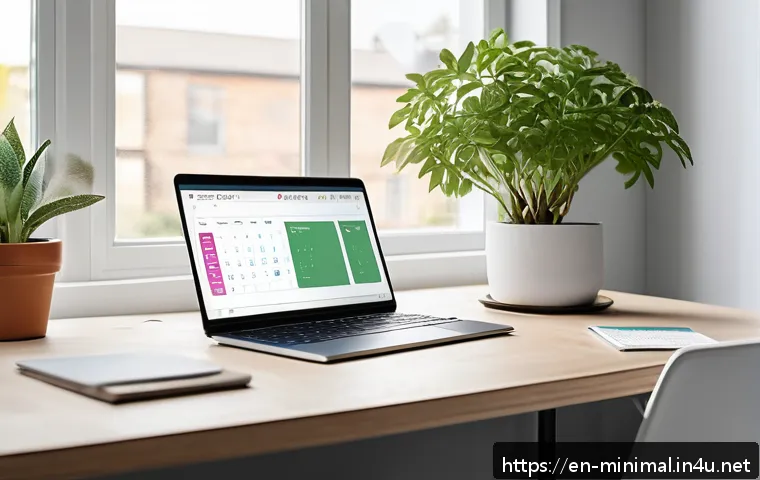
This simple shift reduced visual noise and distractions, making it easier to dive into work without feeling overwhelmed. Even a small corner with just your laptop, a notepad, and a favorite plant can create a calming atmosphere that signals your brain it’s time to focus.
Plus, a tidy space often means less stress at the end of the day when it’s time to unwind.
Prioritizing What Truly Matters in Your Schedule
Learning to Say No Without Guilt
One of the hardest but most liberating parts of adopting a minimalist mindset is getting comfortable with saying no. I used to overcommit because I feared missing out or disappointing others, but that left me exhausted and resentful.
Now, I evaluate new requests through the lens of my core priorities and energy levels. Saying no isn’t rejection—it’s protection of your time and sanity.
You don’t owe everyone your availability, and being selective opens space for what genuinely enriches your life.
Focusing on Deep Work Instead of Busy Work
I noticed that the most fulfilling days weren’t the ones where I checked endless tasks off a list but where I engaged in meaningful, focused work that moved projects forward.
Deep work requires minimizing interruptions and dedicating blocks of time to a single task. I started using techniques like the Pomodoro method, working for 25 minutes straight, then taking a break.
This approach not only boosted my productivity but also gave me a satisfying sense of accomplishment without burning out.
Scheduling Time for Rest and Recharge
It’s tempting to fill every spare moment with productivity, but rest is crucial for sustainable success. I now treat downtime as an essential appointment in my calendar—whether it’s a short walk, meditation, or simply unplugging from screens.
These breaks recharge my focus and creativity, preventing burnout. Prioritizing rest doesn’t mean laziness; it’s a strategic investment in your well-being and long-term performance.
Streamlining Daily Tasks to Reduce Mental Clutter
Automating Repetitive Tasks and Decisions
Decision fatigue is real, and it drains your mental energy faster than you think. I started automating or simplifying routine tasks like bill payments, grocery shopping lists, and meal prep.
Using apps or setting recurring reminders saved me from endless micro-decisions that often lead to procrastination. Even adopting a capsule wardrobe helped me avoid daily outfit dilemmas.
These small changes collectively freed up brainpower for more important decisions and creative thinking.
Decluttering Digital Spaces for Mental Clarity
Our digital lives can become as cluttered as physical spaces. I made it a habit to regularly clean up my email inbox, organize files into folders, and unsubscribe from newsletters that no longer serve me.
This digital detox reduces overwhelm and makes it easier to find what I need quickly. Plus, limiting notifications to only critical alerts helped me stay present and focused rather than constantly jumping from one distraction to another.
Establishing Simple Routines That Stick
Routines are powerful because they automate good habits and reduce decision-making. I experimented with morning and evening rituals that are straightforward but effective—like journaling for five minutes, stretching, or prepping the next day’s to-do list.
These small anchors create a sense of control and predictability, which is incredibly calming in a busy life. Over time, these habits become second nature, helping you glide through your day with less friction.
Choosing Quality Over Quantity in Relationships and Activities
Curating Your Social Circle Mindfully
Not every social interaction adds value or joy, and that’s okay. I started reflecting on which relationships energize me versus those that drain my spirit.
Investing time in a smaller group of supportive, positive people has enriched my life far more than spreading myself thin trying to please everyone. Quality connections bring meaningful conversations, laughter, and support, which are vital for emotional health and resilience.
Engaging in Activities That Align With Your Values
It’s easy to get caught up in popular hobbies or trends, but I’ve found the greatest satisfaction comes from activities that resonate with my core values.
Whether it’s volunteering, creative projects, or outdoor adventures, choosing pursuits that reflect who you truly are adds depth and fulfillment. This alignment creates a sense of purpose and joy that busy schedules alone can’t provide.
Setting Boundaries Around Social Media and Screen Time
Social media can be a double-edged sword—connecting us but also draining time and mental energy. I implemented daily limits and designated no-phone zones in my home, which helped me be more present with loved ones and myself.
Mindful consumption, rather than mindless scrolling, has improved my mood and focus. Sometimes, stepping away entirely for a day or weekend refreshes your perspective and creativity.

Building Habits That Support Long-Term Well-Being
Incorporating Movement and Mindfulness Into Your Day
Physical activity and mindfulness practices have been game-changers in managing stress and boosting energy. Even short walks or stretches during breaks help me reset and avoid burnout.
Meditation or breathing exercises, no matter how brief, ground me in the present moment and calm racing thoughts. These habits create a foundation of resilience that supports both work and personal life.
Eating Simply but Nourishing Your Body
I used to overcomplicate meals, thinking I had to eat perfectly to feel good. Now, focusing on simple, whole foods that fuel my body without stress has made a huge difference.
Meal prepping basic, healthy options has saved time and mental load during busy weeks. When you simplify your nutrition, you reduce decision fatigue and create space for enjoyment rather than worry around eating.
Tracking Progress Without Obsession
Keeping an eye on your goals and habits is helpful, but I avoid rigid tracking that feels like pressure. Instead, I check in weekly with myself to celebrate wins and adjust as needed.
This flexible approach keeps motivation high without turning the process into a chore. Progress, not perfection, is the key to sustaining long-term lifestyle changes.
How Minimalism Enhances Focus and Productivity
Reducing Visual and Mental Clutter
A clutter-free environment isn’t just about aesthetics—it directly impacts your brain’s ability to focus. I noticed that when my workspace and home are tidy, my thoughts feel clearer and I’m less prone to distraction.
Minimalism removes the noise, allowing you to zero in on what really needs your attention. It’s like clearing a foggy window to see the view more clearly.
Streamlining Decision-Making Processes
When you eliminate unnecessary choices, you conserve mental energy for meaningful decisions. For example, having a standard daily routine or a limited wardrobe cuts down on trivial decisions that can overwhelm your mind.
This streamlined approach means you’re less likely to feel stuck or fatigued by constant decision-making, making your day more efficient and less stressful.
Boosting Motivation Through Intentional Living
Living with intention—choosing what to keep and what to let go—creates a sense of purpose that fuels motivation. I find myself more energized to tackle tasks because they align with my values and priorities, not because I’m trying to keep up with external pressures.
This intrinsic motivation is sustainable and far more fulfilling than chasing endless to-dos.
Simple Tools and Apps That Support a Minimalist Lifestyle
Task Management Apps for Focused Workflows
Using apps like Todoist or Notion helped me organize tasks without feeling overwhelmed. These tools allow you to prioritize, set deadlines, and break down projects into manageable steps, which keeps your workflow clear and efficient.
Plus, syncing across devices means you always know what’s next without juggling multiple lists.
Mindfulness and Meditation Apps for Daily Calm
Apps like Headspace and Calm offer guided meditations and breathing exercises that fit easily into even the busiest days. I use them during short breaks or before sleep to reduce stress and improve focus.
The convenience of having these tools on my phone encourages consistent practice and supports mental well-being.
Budgeting and Expense Tracking for Financial Simplicity
Keeping finances simple is a big part of minimalism. I rely on apps like Mint or YNAB to track spending and create budgets without hassle. Having a clear picture of your money flow reduces anxiety and helps you make intentional decisions about where to allocate resources, aligning spending with your values and goals.
| Aspect | Minimalist Strategy | Benefits Experienced |
|---|---|---|
| Time Management | Batching tasks, setting work hours | Increased focus, reduced burnout |
| Physical Environment | Decluttered workspace, simple decor | Less distraction, calming atmosphere |
| Digital Life | Inbox zero, limited notifications | Improved mental clarity, more presence |
| Social Interaction | Selective socializing, setting boundaries | Stronger relationships, emotional energy |
| Health Habits | Regular movement, simple meals | More energy, sustained well-being |
| Technology Use | Focused apps for tasks and mindfulness | Better productivity, reduced stress |
In Conclusion
Creating intentional boundaries and embracing minimalism can transform how you manage your time, energy, and focus. By being mindful about what truly matters and simplifying your environment and routines, you pave the way for greater productivity and well-being. It’s a journey that requires patience but rewards you with lasting clarity and balance in both work and life.
Helpful Tips to Remember
1. Regularly evaluate your daily habits to identify hidden time wasters and create strategies to minimize them.
2. Clearly communicate your availability and establish work hours to protect your personal time and reduce stress.
3. Design a workspace that supports concentration by keeping it simple and free of distractions.
4. Learn to say no to commitments that don’t align with your priorities, freeing up space for meaningful activities.
5. Incorporate regular rest and mindfulness practices to recharge your mind and body for sustained productivity.
Key Takeaways
Setting intentional boundaries around your time and environment is essential to maintaining focus and reducing burnout. Simplifying daily decisions, from managing digital clutter to curating your social circle, supports mental clarity and emotional health. Prioritizing meaningful work, rest, and self-care habits creates a sustainable lifestyle that promotes long-term well-being and motivation. Ultimately, minimalism isn’t about doing less but about making room for what truly enriches your life.
Frequently Asked Questions (FAQ) 📖
Q: How can minimalism help improve my work-life balance?
A: Minimalism helps by stripping away unnecessary distractions and commitments, allowing you to focus on what truly matters both at work and in your personal life.
From my experience, simplifying your environment and schedule reduces stress and creates more mental space, which makes it easier to switch off after work and enjoy downtime.
It’s not about doing less but doing what’s meaningful, so you feel more fulfilled instead of overwhelmed.
Q: What are some easy ways to start adopting a minimalist lifestyle without feeling overwhelmed?
A: Start small. You don’t need to overhaul your entire life overnight. Try decluttering one area, like your workspace or a closet, to create a calming environment.
Next, assess your daily commitments and see if any can be trimmed or postponed. I found that setting boundaries on my phone usage and prioritizing tasks based on impact helped me gain control gradually.
Remember, minimalism is a journey—focus on progress, not perfection.
Q: Will embracing minimalism affect my productivity at work?
A: Absolutely, and usually in a positive way. When you minimize distractions—both physical clutter and digital noise—it’s easier to concentrate and make decisions faster.
Personally, I noticed that having a cleaner workspace and a clearer schedule boosted my focus and creativity. Minimalism encourages intentionality, so instead of multitasking chaotically, you can give your full attention to one task at a time, which often leads to better results and less burnout.