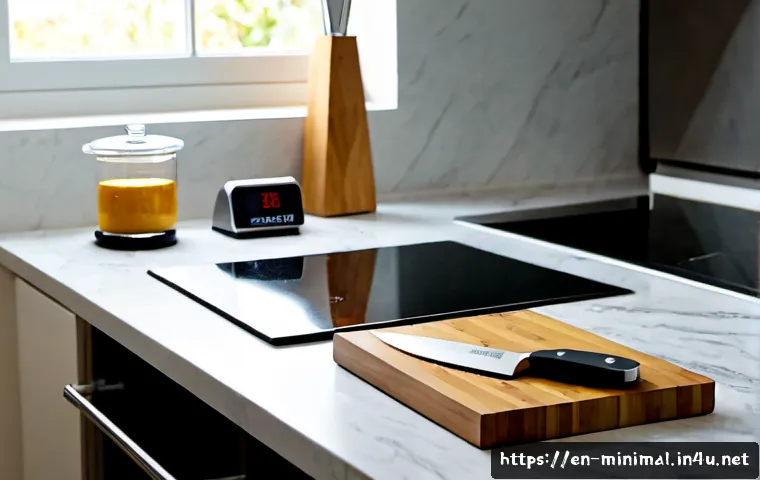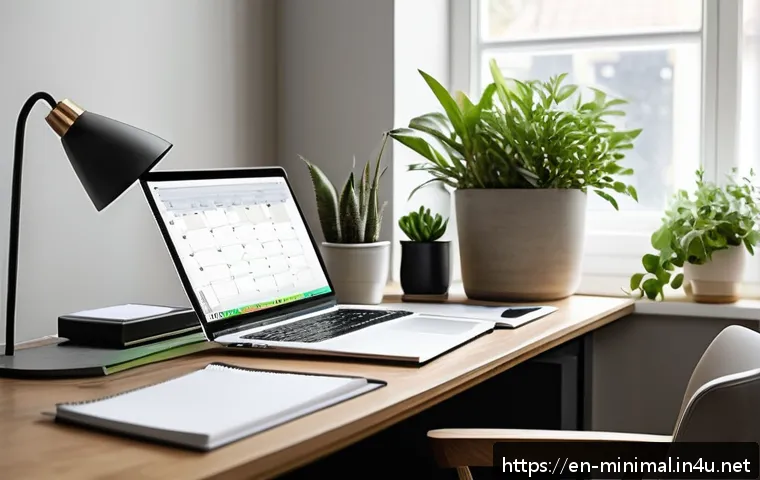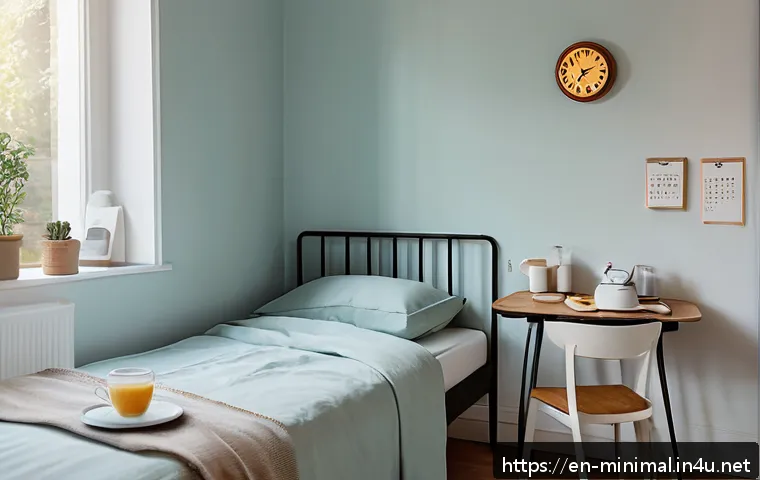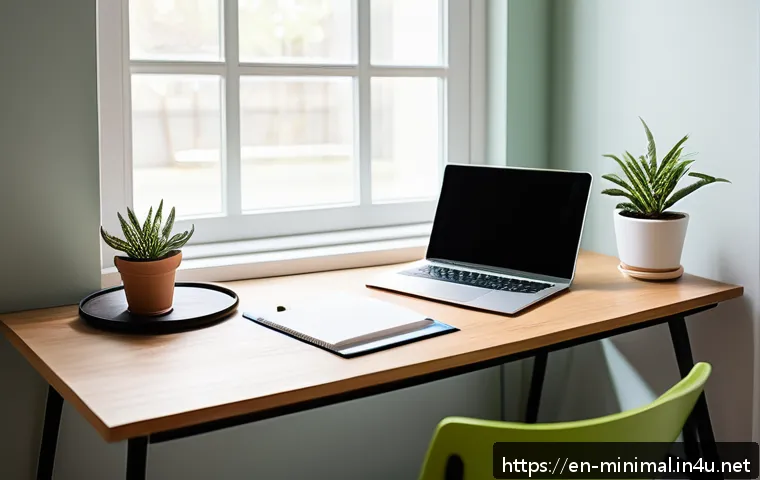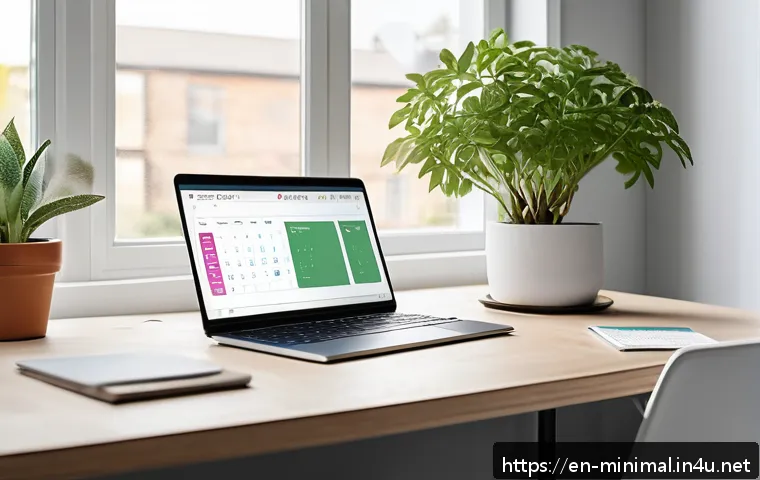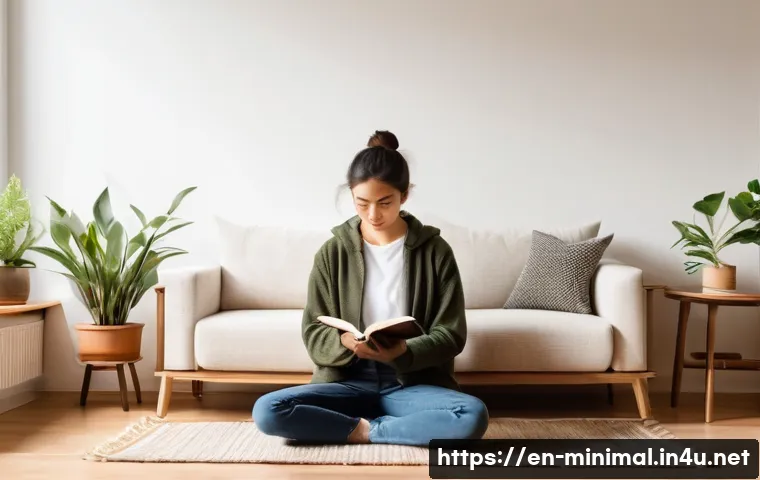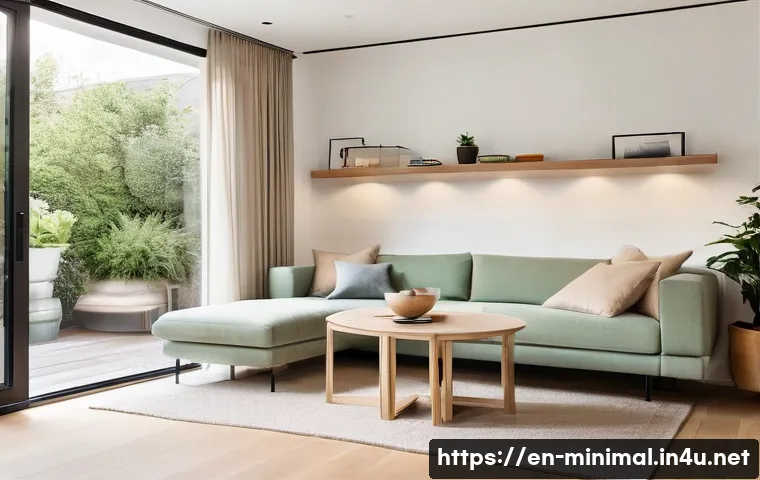
Creating a personal space that reflects simplicity and intentional living has become more important than ever in today’s fast-paced world. Minimalism isn’t just about decluttering; it’s about crafting an environment where you can truly relax and focus on what matters.
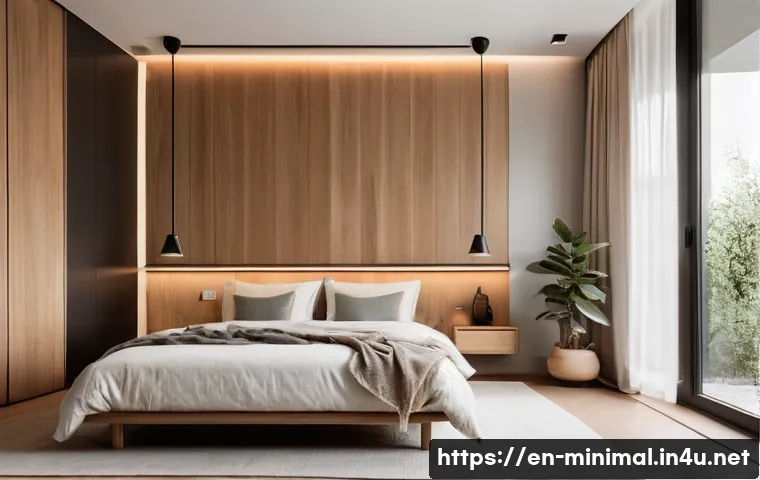
When you design your own minimalistic haven, you invite calmness and clarity into your daily routine. It’s amazing how a few thoughtful choices can transform your home into a sanctuary that fuels creativity and peace.
If you’ve ever felt overwhelmed by chaos, this approach might just be the refresh you need. Let’s dive in and explore how to build your perfect minimalist space with confidence!
Choosing Essentials That Spark Joy and Purpose
Evaluating What Truly Matters
When it comes to minimalism, the goal isn’t just to get rid of clutter but to hold onto things that genuinely add value to your life. I’ve found that asking myself simple questions like, “Does this item serve a purpose or bring me happiness?” makes the process less overwhelming.
It’s incredible how many possessions we keep out of habit rather than necessity. Instead of focusing on quantity, I recommend focusing on quality and meaning.
This approach helps create a space that feels intentional and personal, not just empty.
Prioritizing Multi-Functional Pieces
In my own space, investing in furniture and decor that serve multiple purposes has been a game changer. A sleek coffee table with storage or a comfortable chair that doubles as a reading nook saves space and reduces the need for extra items.
Multi-functional pieces not only free up physical space but also mental space, which is priceless when you’re trying to cultivate calmness. Plus, they often bring a sophisticated, streamlined look to the room, aligning perfectly with minimalist aesthetics.
Creating a Capsule Collection of Decor
Instead of overwhelming your walls or shelves with countless decorations, try curating a small, meaningful collection that reflects your personality. For me, this meant choosing a few art prints that inspire me and a couple of plants that bring life into the room without crowding it.
When you limit your decor, each piece stands out more, and your space feels more cohesive and intentional. This selective approach helps maintain a sense of order while still making the space uniquely yours.
Optimizing Layout for Flow and Functionality
Embracing Open Space and Movement
One of the most freeing aspects of minimalism is the feeling of open space. I’ve noticed that when I clear unnecessary furniture or bulky items, my room feels larger and more inviting.
It’s not just about aesthetics—open space allows for better movement and reduces feelings of confinement. When arranging furniture, I focus on creating clear pathways that make everyday tasks easier and more enjoyable.
This simple change can dramatically improve how you experience your home.
Balancing Visual Weight
When designing a minimalist space, the distribution of visual weight is key. Heavy or dark pieces can make a room feel cramped, while light and airy elements contribute to a sense of calm.
I’ve personally experimented with combining natural wood tones and soft fabrics to balance the look. Keeping larger furniture pieces against walls and leaving the center of the room open often creates a natural flow.
This balance makes the space not only functional but also soothing to the eyes.
Utilizing Vertical Space Wisely
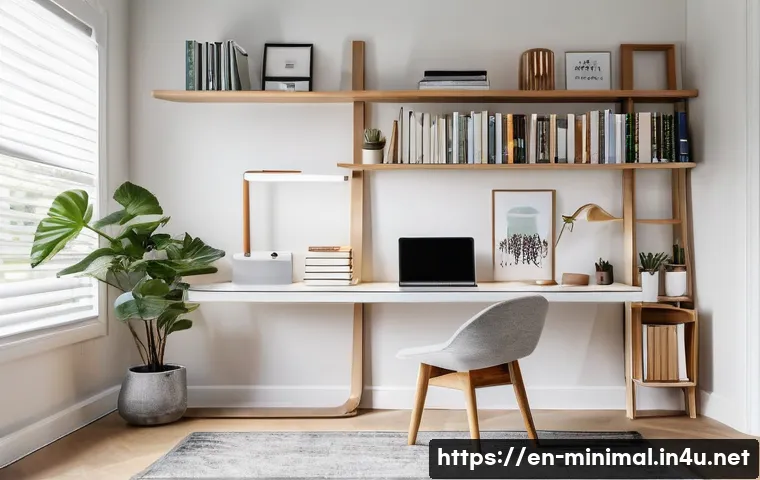
Vertical space often gets overlooked but can be a powerful tool in minimalist design. Shelving units or wall-mounted storage help keep the floor clear while still providing room for essentials.
I found that using floating shelves for books and decorative items keeps my surfaces uncluttered and easy to clean. Plus, vertical storage draws the eye upward, making the room feel more expansive and airy.
Incorporating Natural Elements to Enhance Calm
Bringing the Outdoors In
Adding natural elements like plants or natural light instantly transforms a minimalist room from sterile to serene. I personally love having a few low-maintenance plants scattered around—it feels like a breath of fresh air.
Plants not only improve air quality but also introduce organic shapes and textures that soften clean lines. If you don’t have access to natural light, consider warm-toned lamps that mimic daylight for a cozy vibe.
Choosing Earthy Colors and Materials
Natural materials like wood, stone, and linen add warmth and depth to minimalist spaces without overpowering them. I often mix neutral tones with subtle textures to avoid a cold or clinical feel.
These materials create a tactile richness that invites touch and comfort. For example, a wooden side table paired with a soft cotton throw can make the space feel grounded and welcoming.
Creating a Sensory Connection
Minimalism doesn’t mean stripping away all sensory experiences. In fact, I’ve found that incorporating subtle scents, like essential oils or candles with natural fragrances, enhances relaxation.
Similarly, gentle sounds like a small water fountain or wind chimes can bring tranquility. These sensory touches make your minimalistic space a holistic sanctuary for the mind and body.
Streamlining Daily Habits to Sustain Simplicity
Establishing a Consistent Tidying Routine
The biggest challenge in maintaining a minimalist space is not just the initial declutter but keeping it that way. I’ve developed a simple daily habit of spending 5-10 minutes tidying up, which prevents mess from piling up.
This small commitment feels manageable and keeps the environment calm and inviting. It’s amazing how a few minutes a day can save hours of stress later.
Mindful Consumption Practices
To avoid falling back into clutter, adopting mindful consumption habits is crucial. Before making any purchase, I ask myself if the item fits my minimalist values or if it’s just impulse buying.
This practice has saved me money and space, and it’s helped me appreciate what I already own. Being intentional about what enters your home supports the long-term peace and clarity you’re aiming for.
Digital Decluttering as Part of the Process
Minimalism extends beyond physical space—digital clutter can be just as overwhelming. I regularly clean up my devices by deleting unnecessary files and organizing folders.
This habit reduces mental noise and helps me focus better when working or relaxing at home. Treating your digital environment with the same care as your physical space completes the minimalist lifestyle.
Choosing Lighting That Complements Simplicity
Maximizing Natural Light
Natural light is a minimalist’s best friend. It instantly brightens a space and creates an uplifting atmosphere. I make a point to keep windows unobstructed and use sheer curtains to diffuse sunlight gently.
This not only helps in reducing the need for artificial lighting during the day but also connects the indoors with the outside world, reinforcing a sense of openness.
Selecting Warm and Adjustable Fixtures
For evening hours, lighting that mimics the warmth of natural light makes a huge difference. I’ve invested in dimmable lamps and fixtures that allow me to adjust brightness according to mood or task.
Soft, warm lighting encourages relaxation and complements the clean lines of minimalist design. Avoiding harsh, cold lights helps maintain the cozy, peaceful vibe I want in my space.
Using Accent Lighting to Highlight Key Features
Strategic use of accent lighting can add depth and interest without cluttering the room. I use small LED strips or spotlights to highlight art pieces or plants, creating focal points that draw the eye.
This subtle layering of light adds dimension and prevents the space from feeling flat or boring, all while adhering to minimalist principles.
Maintaining Balance Between Function and Aesthetics
Choosing Practical Yet Beautiful Storage Solutions
Storage is essential in any minimalist home, but it should never look bulky or intrusive. I’ve found that sleek, concealed storage options, like under-bed drawers or built-in cabinets, keep things tidy without disrupting the room’s flow.
When storage doubles as furniture, like an ottoman with hidden space, it feels intentional and smart. Prioritizing function doesn’t mean sacrificing style—it’s about finding harmony.
Incorporating Personal Touches Without Overcrowding
Minimalism isn’t about erasing personality. I keep a few personal mementos or meaningful objects that inspire me, but I display them sparingly. Rotating items seasonally or when I feel like refreshing the space keeps things feeling new and intentional.
This way, the room tells my story without feeling cluttered or chaotic.
Adapting the Space for Changing Needs
Life evolves, and so should your living space. Minimalism is flexible and can adapt to new routines or interests. I periodically reassess my layout and belongings to make sure they still serve me well.
Being open to change while maintaining simplicity keeps the space functional and aligned with my lifestyle.
| Aspect | Minimalist Approach | Personal Experience |
|---|---|---|
| Furniture | Multi-functional, simple lines, neutral tones | Use of storage ottomans and foldable desks saved space and increased versatility |
| Decor | Curated, meaningful, minimal quantity | Selected a few art pieces and plants that inspire calm and creativity |
| Lighting | Natural light maximized, warm adjustable fixtures | Installed dimmable lamps for cozy evenings, kept windows clear for daylight |
| Storage | Concealed, functional, sleek designs | Under-bed drawers and built-in shelves keep clutter out of sight |
| Daily Habits | Quick tidying routines, mindful consumption | 5-minute daily cleanups prevent mess buildup, intentional buying reduces clutter |
Closing Thoughts
Embracing minimalism is more than just decluttering; it’s about creating a living space that truly reflects your values and supports your well-being. From choosing meaningful essentials to optimizing your environment for calm and function, every step contributes to a more intentional lifestyle. I’ve experienced firsthand how these changes bring clarity and peace, making daily life simpler and more enjoyable.
Useful Tips to Remember
1. Regularly ask yourself if each item adds value or joy to avoid unnecessary clutter.
2. Invest in furniture and decor that serve multiple purposes to maximize space and efficiency.
3. Use vertical storage and open layouts to create a sense of spaciousness and ease of movement.
4. Incorporate natural elements like plants and warm lighting to foster a soothing atmosphere.
5. Maintain your minimalist space with daily tidying and mindful consumption habits to sustain simplicity.
Key Takeaways for a Balanced Minimalist Home
A successful minimalist space strikes a balance between function and aesthetics, combining practical storage solutions with personal touches that tell your story. Prioritizing quality over quantity, optimizing light and layout, and developing consistent habits are essential to maintaining a calm and inviting environment. Remember, minimalism is flexible—adapt your space as your needs evolve to keep it both purposeful and welcoming.
Frequently Asked Questions (FAQ) 📖
Q: How can I start creating a minimalist space without feeling overwhelmed by the process?
A: The best way to begin is by tackling one small area at a time—like a drawer, a shelf, or a corner of a room. I found that breaking down the project into manageable chunks helped me avoid feeling swamped.
Focus on keeping only the items that truly serve a purpose or bring you joy. Remember, minimalism isn’t about perfection; it’s about intentional choices.
Start slow, and gradually you’ll see your space transform into a calm retreat.
Q: What are some practical tips for maintaining a minimalist home in everyday life?
A: Maintaining minimalism is all about creating simple habits. I make it a point to do quick daily tidying—like putting things back in their place right after use.
Also, before bringing new items home, I ask myself if they’re necessary or meaningful. This mindset prevents clutter from creeping back in. Investing in multifunctional furniture and storage solutions can also keep your space feeling open and organized.
The key is consistency, not perfection.
Q: Can a minimalist space still feel warm and inviting without looking cold or empty?
A: Absolutely! Minimalism doesn’t mean sterile or boring. From my experience, adding natural textures like wood, soft textiles, and warm lighting instantly makes a space cozy.
Personal touches such as meaningful art, plants, or a favorite book can create warmth without clutter. The goal is to strike a balance—keeping your space simple but still reflecting your personality and comfort.
It’s this thoughtful approach that makes minimalism truly inviting.