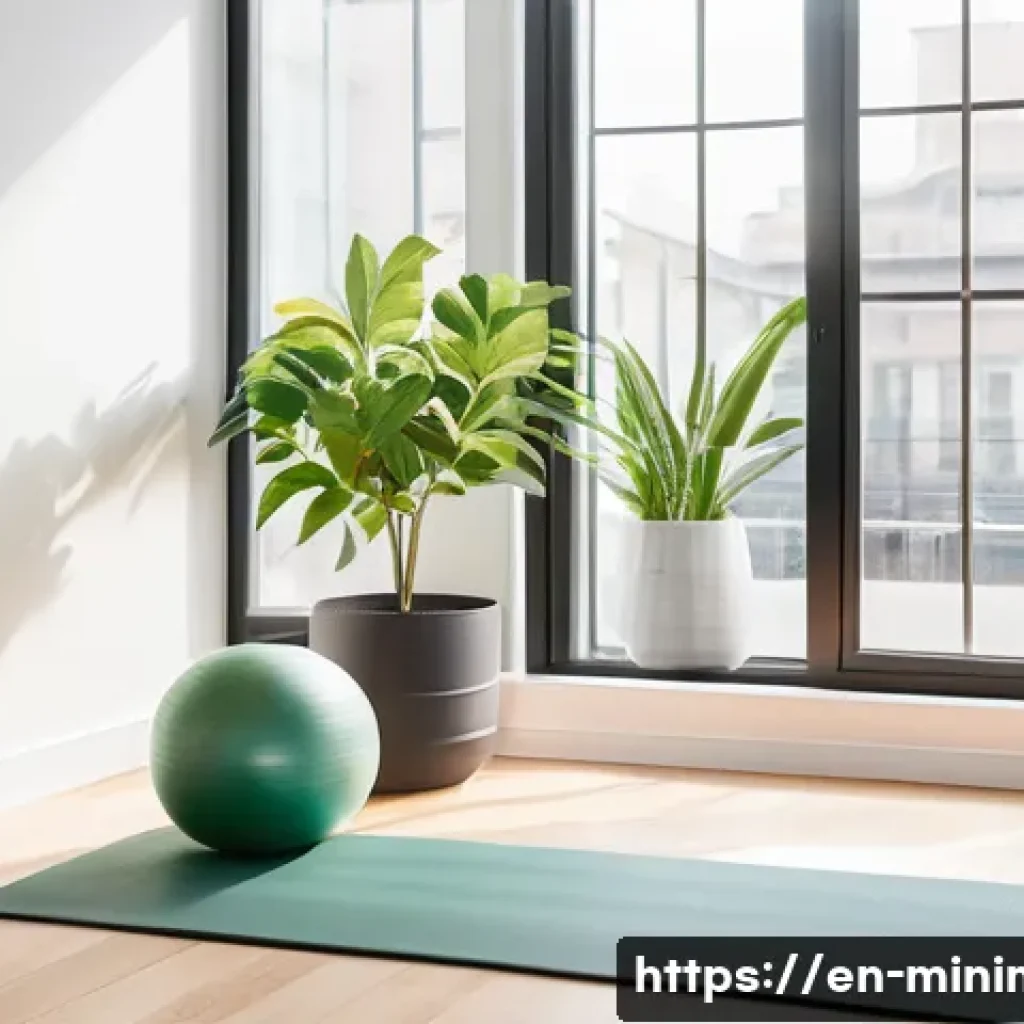
Living a minimalist lifestyle means embracing simplicity and focusing on what truly matters, and this philosophy extends seamlessly into fitness routines.
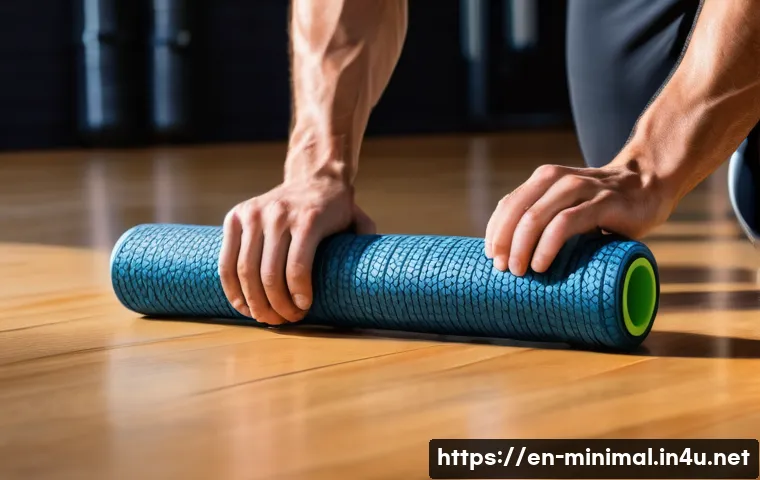
Instead of cluttering your space with bulky equipment, minimalistic workout gear offers a sleek, efficient way to stay healthy without the hassle. These compact tools not only save space but also encourage consistency by making exercise more accessible and less intimidating.
Whether you’re working from a tiny apartment or just prefer a clutter-free zone, minimal fitness gear can transform your approach to wellness. Ready to discover how to streamline your workouts without sacrificing results?
Let’s dive into the details and explore the best minimalist exercise equipment that fits your lifestyle perfectly!
Choosing the Right Compact Equipment for Your Space
Prioritizing Versatility Over Quantity
When it comes to minimalist fitness gear, the key is selecting tools that serve multiple purposes. Instead of having a cluttered corner full of single-use machines, I found that a few versatile items can cover almost every workout need.
For instance, resistance bands are fantastic because they offer adjustable tension levels, allowing me to perform strength training, stretching, and even mobility exercises all in one.
The best part? They take up almost no room and slip easily into my backpack, making workouts possible anywhere, anytime. I’ve realized that focusing on multifunctional gear not only saves physical space but also keeps my motivation high, as it simplifies my workout routine.
Compact Design That Doesn’t Compromise Functionality
One of the biggest misconceptions about minimalistic workout tools is that smaller means less effective. In my experience, that couldn’t be further from the truth.
Take kettlebells or dumbbells with adjustable weights, for example. These are compact yet provide a full range of resistance training options. I personally use an adjustable dumbbell set that replaces an entire rack of traditional weights, freeing up significant space in my apartment.
The design is sleek, easy to store, and quick to adjust, which encourages me to stick to my routine even on busy days. This balance between compactness and performance is what makes minimalistic fitness gear so appealing.
Material Quality and Durability
Choosing quality over quantity matters tremendously in a minimalist lifestyle. I’ve learned that investing in durable materials means I don’t have to replace gear frequently, which aligns with the simplicity I aim for.
For example, resistance bands made from natural latex tend to last much longer than cheaper alternatives, providing consistent resistance without snapping.
Similarly, compact foam rollers made from high-density EVA foam withstand heavy use and maintain their shape over time. When buying minimalistic gear, I always check for materials that balance comfort, longevity, and sustainability, ensuring my purchases truly add value without creating waste.
Incorporating Bodyweight Exercises to Maximize Minimalism
Building Strength Without Any Equipment
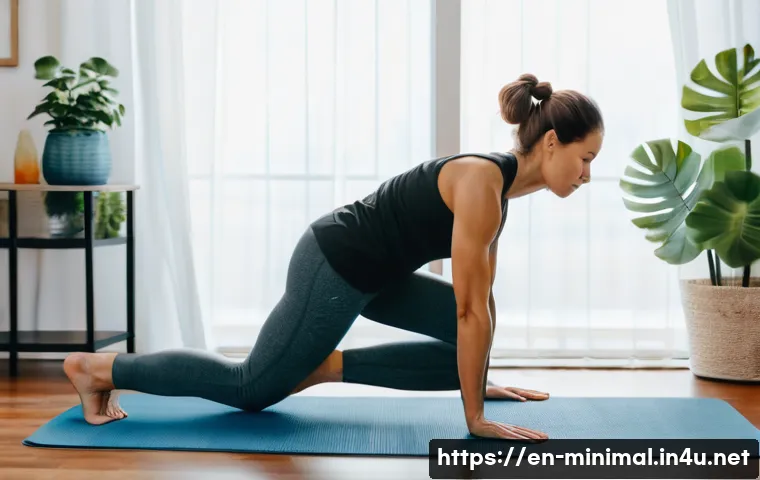
Bodyweight workouts are the ultimate minimalist approach because they require zero gear yet provide impressive results. From push-ups and squats to planks and lunges, these exercises engage multiple muscle groups and improve functional strength.
I started focusing on mastering bodyweight movements when my living space was tight, and I was amazed at how effective they are. By tweaking angles, tempo, and repetitions, you can constantly challenge your muscles without needing extra tools.
Plus, it’s easy to scale up or down based on your fitness level, making bodyweight exercises a perfect complement to minimalistic gear.
Enhancing Mobility and Flexibility
Incorporating mobility and flexibility routines into a minimalist fitness plan is crucial, and the best part is, it requires minimal to no equipment. I use a yoga mat and occasionally a small foam roller to release muscle tension and improve flexibility after workouts.
These simple tools are lightweight and don’t clutter my space, yet they significantly enhance my recovery process. Stretching and mobility work prevent injury and increase overall movement quality, which is often overlooked but essential for long-term fitness success.
Creative Use of Household Items
Sometimes, the best minimalistic workout equipment is already at home. I’ve used sturdy chairs for tricep dips, stairs for step-ups, and even filled water bottles as light weights.
This approach not only saves money but also reinforces the minimalist mindset—making the most of what you have without extra purchases. It’s a fun way to stay active and reminds me that fitness doesn’t have to be complicated or expensive to be effective.
Streamlining Your Workout Routine for Efficiency
Short, Focused Sessions Over Lengthy Workouts
Minimalism in fitness isn’t just about equipment; it’s also about how you structure your routine. I shifted from hour-long gym sessions to brief, high-intensity workouts lasting 20-30 minutes, and honestly, I’ve never felt better.
These shorter sessions fit seamlessly into my busy schedule and reduce mental barriers to getting started. By focusing on compound movements that engage multiple muscle groups at once, I get maximum benefit in less time.
This approach keeps me energized and consistent, proving that longer doesn’t always mean better.
Prioritizing Quality Movement and Form
With minimal gear, the emphasis naturally shifts to performing exercises with precision. I’ve found that paying close attention to technique not only maximizes results but also reduces injury risk.
Without machines guiding movement, body awareness becomes critical. I often record myself or use mirrors to ensure proper alignment and form during workouts.
This practice has improved my overall fitness and confidence, making every rep count. It’s a reminder that effective training doesn’t require fancy equipment—just mindful execution.
Using Technology to Stay Accountable
Even minimalist routines benefit from a little tech help. I use fitness apps and timers on my phone to structure interval training and track progress.
These tools are lightweight and unobtrusive, fitting well into a minimalist lifestyle. Setting reminders and logging workouts keep me accountable without adding clutter.
The digital approach also offers a variety of guided workouts that don’t require equipment, making it easier to stay motivated and explore new exercises within my minimalist framework.
Essential Minimalist Fitness Gear Compared
Breaking Down Key Tools for Every Routine
Choosing the right minimal fitness gear can be overwhelming, so I compiled a comparison to help you decide what fits your lifestyle and goals. Each item offers unique benefits, and understanding these can simplify your purchase decisions.
Whether you’re aiming for strength, flexibility, or cardio, there’s a minimalist tool that can support your journey without taking up precious space or breaking the bank.
| Equipment | Primary Use | Space Required | Cost Range | Portability | Durability |
|---|---|---|---|---|---|
| Resistance Bands | Strength, Stretching, Mobility | Very Small (fits in a pouch) | $10 – $30 | Highly Portable | High (with quality latex) |
| Adjustable Dumbbells | Strength Training | Small (one pair replaces many) | $50 – $300 | Moderately Portable | High (metal construction) |
| Foam Roller | Recovery, Mobility | Medium (needs floor space) | $20 – $60 | Portable | High (dense foam) |
| Jump Rope | Cardio, Coordination | Very Small | $10 – $40 | Highly Portable | Medium (depends on rope material) |
| Yoga Mat | Stretching, Bodyweight Workouts | Medium (rolled up storage) | $20 – $100 | Portable | Medium (varies by thickness and material) |
Personalizing Your Minimalist Setup
While the table provides a general overview, your personal preferences and goals will guide the best choices. For example, if you prefer cardio, a jump rope might be your go-to, whereas strength enthusiasts may prioritize adjustable dumbbells.
I recommend starting with one or two items and gradually building your collection as needed, ensuring each addition truly enhances your routine without overwhelming your space.
Maintaining Motivation in a Minimalist Fitness Journey
Creating a Dedicated, Clutter-Free Workout Space
One thing I’ve noticed is how a tidy, inviting workout corner influences my motivation. Minimalist gear naturally supports this by not requiring large storage or complicated setups.
Even in a small apartment, dedicating a single spot with just a mat and a couple of tools makes it easier to get moving. When your environment feels clean and intentional, it’s mentally easier to commit to regular exercise, making the minimalist approach a win-win for both mind and body.
Tracking Progress Without Overcomplication
Keeping track of your fitness journey doesn’t need to be complex. I keep a simple journal or use apps to note improvements in reps, resistance levels, or workout frequency.
This straightforward method aligns with minimalism by focusing on essentials rather than overwhelming charts or gadgets. Seeing progress over time, no matter how small, fuels my motivation and reminds me that consistency truly pays off.
Embracing Flexibility and Adaptation
Life is unpredictable, and a minimalist workout plan allows for adaptability. I’ve learned to embrace days when time or energy is limited by opting for quick bodyweight circuits or stretching sessions instead of skipping exercise entirely.
This flexible mindset reduces burnout and keeps me connected to my fitness goals without pressure. Minimalism in fitness isn’t about rigidity—it’s about making movement a natural, enjoyable part of daily life, no matter the circumstances.
Integrating Minimalist Fitness with Holistic Wellness
Balancing Physical Activity with Mindful Rest
Minimalism extends beyond just gear; it’s about harmonizing your whole lifestyle. I’ve found that pairing efficient workouts with quality rest and recovery amplifies results.
Minimal equipment means less setup stress, freeing up time to focus on sleep, nutrition, and stress management. This balanced approach supports long-term wellness and prevents burnout, which is often overlooked in traditional fitness regimens.
Nutrition and Hydration Simplified
Just as with exercise gear, I keep my nutrition simple but effective. Whole foods, balanced macros, and proper hydration complement my fitness efforts without complicated diets or expensive supplements.
This straightforward approach sustains energy for workouts and aids recovery, proving that minimalism applies perfectly to both movement and fueling your body.
Mindset and Consistency Over Perfection
Ultimately, the minimalist fitness journey is about building sustainable habits rather than chasing perfection. I remind myself daily that doing something is better than nothing and that small, consistent efforts lead to meaningful change.
This mindset shift has transformed my relationship with exercise from a chore into a rewarding routine, perfectly suited to a minimalist lifestyle.
Wrapping Up
Choosing the right minimalist fitness equipment and routines can transform how you approach exercise, making it more accessible and enjoyable. By focusing on versatility, quality, and efficient workouts, you can create a sustainable fitness lifestyle that fits any space. Remember, simplicity doesn’t mean sacrificing results—it means maximizing them in smarter ways.
Helpful Tips to Keep in Mind
1. Start small with multifunctional gear to avoid clutter and stay motivated.
2. Prioritize form and technique over equipment complexity to prevent injury.
3. Use everyday household items creatively to enhance your workouts.
4. Keep workout sessions short and focused to fit busy schedules.
5. Track your progress simply to maintain consistency without overwhelm.
Key Takeaways for Success
Minimalist fitness is all about balance—choosing durable, space-saving tools while embracing bodyweight exercises and mindful routines. Creating a clutter-free workout space and adapting your plan to life’s ups and downs will keep you motivated and consistent. Ultimately, it’s the steady, mindful effort that leads to lasting wellness, not the amount of equipment or time spent.
Frequently Asked Questions (FAQ) 📖
Q: What are the essential minimalist workout tools I should have to start exercising at home?
A: If you’re aiming to keep things simple yet effective, start with a resistance band, a jump rope, and a yoga mat. Resistance bands offer versatile strength training without bulky weights, jump ropes provide excellent cardio in a compact form, and a yoga mat ensures comfort for floor exercises.
I found that with just these three, I could cover strength, endurance, and flexibility without feeling overwhelmed by equipment clutter.
Q: How can minimal fitness gear help me stay consistent with my workouts?
A: Minimalist gear removes common barriers like lack of space and complicated setups. When your equipment is easy to access and quick to use, it lowers the mental friction of starting a workout.
From my experience, having just a couple of simple tools nearby means I’m more likely to squeeze in quick sessions, even on busy days. Plus, the simplicity keeps motivation high because you’re not distracted or discouraged by managing a lot of gear.
Q: Can I get a full-body workout using only minimal fitness equipment?
A: Absolutely! Minimalist fitness tools like resistance bands and bodyweight exercises can target every muscle group effectively. For example, resistance bands can mimic dumbbells for strength, while bodyweight moves like push-ups, squats, and planks engage multiple areas at once.
I personally noticed that combining these exercises kept my routine balanced and efficient without needing a full home gym setup. It’s all about creativity and consistency with what you have.