
Embracing a minimalist lifestyle often starts with rethinking how we shop. Instead of succumbing to impulse buys or cluttering our homes with unnecessary items, minimalism encourages intentional purchasing that adds genuine value.

This shift not only simplifies daily routines but also fosters financial mindfulness and reduces environmental impact. Over time, adopting mindful shopping habits can transform how we view consumption and satisfaction.
Curious about practical ways to shop smarter and live lighter? Let’s dive deep and explore the essentials together!
Choosing Quality Over Quantity
Understanding the True Cost of Cheap Purchases
When I first embraced a minimalist mindset, I realized how often cheap items ended up costing me more in the long run. It’s tempting to grab the bargain deal or a trendy accessory that’s on sale, but these impulse buys usually don’t last or bring lasting satisfaction.
Instead, investing in high-quality products means fewer replacements and less waste. For example, buying a well-made pair of shoes might seem pricey upfront, but they’ll often outlive several pairs of cheaper ones.
This approach not only saves money over time but also reduces clutter, which is a win-win for anyone trying to live more simply.
Finding Value Beyond the Price Tag
Quality isn’t always about the price—it’s about how well an item fits your lifestyle and serves your needs. I’ve learned to ask myself: Will I use this often?
Does it bring me joy or solve a real problem? If the answer is no, even a low-cost item isn’t worth it. Sometimes, spending a bit more on something durable or versatile means you’ll enjoy it longer and avoid the cycle of constant replacement.
This mindset shift also makes shopping more intentional and less stressful, as it becomes about enhancing your life, not just acquiring stuff.
Spotting Durable and Timeless Pieces
When shopping, I’ve found it useful to focus on classic styles and materials known for longevity—like leather, solid wood, or natural fibers. Trendy items tend to lose appeal fast, which often leads to regret or donating them shortly after purchase.
A timeless piece, whether it’s a coat or a kitchen tool, blends into your life seamlessly and remains useful season after season. This saves both money and mental energy since you’re not constantly deciding what to keep or toss.
Mastering the Art of Intentional Shopping
Creating a Thoughtful Shopping List
One habit that changed my shopping game is writing down exactly what I need before stepping into a store or browsing online. This simple step keeps me from wandering aimlessly and grabbing items out of boredom or temptation.
When I stick to a list, I feel more in control and less prone to buyer’s remorse. Plus, it makes me pause and truly evaluate whether each item fits into my minimalist goals.
Setting Limits to Avoid Overbuying
I also set personal rules, like “only one new clothing item per month” or “replace one old item before buying a new one.” These boundaries force me to think carefully about each purchase and help curb unnecessary spending.
It’s surprisingly empowering to say no to excess, especially when you see your space clearing out and your finances improving. Over time, these limits become second nature, and shopping feels less like a chore and more like a mindful ritual.
Using Technology to Support Smart Choices
Apps and websites can be surprisingly helpful in intentional shopping. I use price tracking tools to wait for the best deals on essentials, and budgeting apps to monitor my spending patterns.
Some platforms even help me research product durability and ethical manufacturing practices. This tech-savvy approach has saved me money and boosted my confidence in choosing items that align with my values.
Reducing Waste Through Smart Consumption
Choosing Reusables and Multi-Purpose Items
Incorporating reusable products into daily life has been a game-changer for me. Instead of constantly buying disposable items, I now opt for things like stainless steel water bottles, cloth shopping bags, and washable food containers.
These choices reduce waste and save money over time. Additionally, multi-purpose products—like a jacket that works for both rain and casual outings—help streamline possessions without sacrificing function.
Repairing and Repurposing Instead of Replacing
Rather than tossing something at the first sign of wear, I’ve started fixing what I can or finding new uses for old items. It could be sewing a button back on a favorite shirt or turning glass jars into organizers.
This not only extends the life of belongings but also gives me a sense of accomplishment. Plus, it’s a great way to honor the effort and resources that went into making those items in the first place.
Supporting Brands with Sustainable Practices
Shopping with an eye toward sustainability is something I’ve grown more passionate about. I try to choose brands that prioritize eco-friendly materials, ethical labor, and transparent supply chains.
While these products sometimes come at a premium, I feel better knowing my purchases contribute to a healthier planet. It’s a small but meaningful way to align spending habits with personal values.
Building a Capsule Wardrobe for Simplicity
Curating Versatile Clothing Pieces
A capsule wardrobe is a minimalist’s dream come true. I started by selecting a limited number of clothing items that mix and match effortlessly. This reduces decision fatigue each morning and makes packing for trips so much easier.
For example, neutral colors and classic cuts allow me to create multiple outfits without owning dozens of pieces. It’s amazing how fewer clothes can actually mean more style freedom.
Prioritizing Comfort and Fit
Wearing clothes that fit well and feel comfortable is crucial. I’ve learned to avoid impulse buys just because something looks trendy. Instead, I try on everything and consider how it moves with me.
Comfortable, well-fitting clothes get worn more often, so they’re a better investment. Plus, when you love how you feel in your clothes, you’re less likely to want to replace them quickly.
Seasonal Editing to Stay Organized
Every few months, I go through my wardrobe to remove items I haven’t worn and donate or sell them. This seasonal editing keeps my closet manageable and prevents accumulation.
It’s also a chance to reassess what I truly need and what might be missing. I find this ritual refreshing and motivating because it reinforces my minimalist goals and keeps my space feeling fresh.
Mindful Grocery Shopping Habits
Planning Meals to Avoid Food Waste
I’ve become a huge fan of meal planning—it cuts down on last-minute trips to the store and helps me buy only what I need. Before grocery shopping, I jot down recipes for the week and check what’s already in my pantry.
This practice has significantly reduced food waste and saved money. Plus, cooking with intention makes meals more satisfying and less rushed.
Choosing Local and Seasonal Produce
Whenever possible, I prioritize buying local and seasonal fruits and vegetables. Not only are they fresher and tastier, but supporting local farmers reduces the environmental impact of transportation.
Farmers markets and community-supported agriculture programs are great resources. This habit also connects me more deeply with the rhythm of the seasons and my community.
Shopping with Reusable Bags and Containers
Bringing my own bags and containers to the store has become second nature. It’s a simple step that cuts down on plastic waste and feels good to do. Some stores even offer discounts for customers who bring reusable bags.
Over time, this small habit contributes to a bigger environmental impact and encourages more sustainable shopping overall.
Tracking Spending to Enhance Financial Clarity
Keeping a Purchase Journal
Writing down every purchase, no matter how small, was a surprising eye-opener for me. It revealed patterns of unnecessary spending and helped me identify triggers for impulse buys.
This practice encourages accountability and makes budgeting more realistic. After a few months, I could see clear progress and felt motivated to keep refining my habits.
Using Budgeting Apps for Real-Time Insights
Technology can be a powerful ally in mindful shopping. Budgeting apps that categorize expenses provide real-time feedback on where money is going. This visibility helps me make better decisions before clicking “buy” or heading to the checkout.
It’s like having a financial coach in your pocket, gently steering you toward smarter choices.
Setting Savings Goals Linked to Purchases
Instead of shopping just because something is available, I now set savings goals for meaningful purchases. For instance, I saved specifically for a high-quality backpack instead of settling for a cheap one.
This approach makes buying more intentional and rewarding. Plus, it fosters a sense of financial discipline that spills over into other areas of life.
Comparing Shopping Approaches for Minimalism
| Shopping Approach | Key Focus | Benefits | Potential Drawbacks |
|---|---|---|---|
| Impulse Buying | Immediate gratification | Short-term happiness, quick convenience | Leads to clutter, buyer’s remorse, wasted money |
| Planned Shopping | Meeting specific needs | Reduces waste, saves money, less stress | Requires discipline and planning time |
| Quality Investment | Durability and value | Long-lasting items, fewer replacements | Higher upfront cost |
| Sustainable Shopping | Eco-friendly choices | Supports environment, ethical practices | Limited options, sometimes more expensive |
| Minimalist Shopping | Intentional and essential | Decluttered life, financial clarity | May feel restrictive initially |
Embracing Secondhand and Sharing Economies
Finding Hidden Gems in Thrift Stores
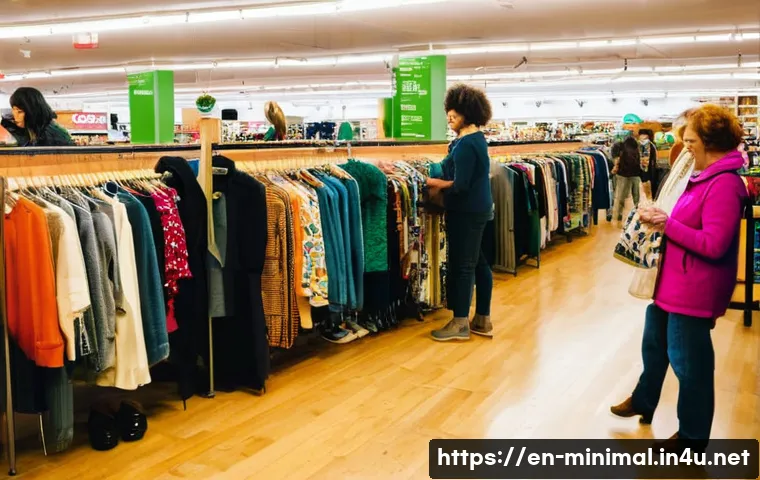
One of the best surprises in my minimalist journey was discovering thrift stores. They offer unique, often high-quality items for a fraction of the price.
Shopping secondhand not only saves money but also reduces demand for new production. I’ve found everything from clothing to kitchenware that fits perfectly into my lifestyle.
Plus, it feels great knowing I’m giving an item a second life.
Participating in Clothing Swaps and Sharing Groups
Swapping clothes or household items with friends or community members is a fun way to refresh your possessions without buying new. I’ve joined local sharing groups where people lend or trade things like tools, books, or seasonal gear.
This reduces clutter and builds connections. It’s a perfect example of how minimalism can extend beyond personal habits into community support.
Using Rental Services for Occasional Needs
For things I only use occasionally—like formal wear or camping gear—I’ve started renting instead of buying. Rental services have become more accessible and affordable, making it easy to avoid cluttering my home with items that gather dust.
Renting saves space, money, and resources, aligning perfectly with a minimalist mindset focused on intentional use.
글을 마치며
Choosing quality over quantity and embracing intentional shopping habits has truly transformed my lifestyle. It’s not just about spending less but about making thoughtful choices that bring lasting value and joy. By focusing on durability, sustainability, and mindful consumption, we can simplify our lives while positively impacting the environment. Minimalism isn’t about deprivation; it’s about creating space for what truly matters.
알아두면 쓸모 있는 정보
1. Prioritize investing in durable, timeless products to reduce frequent replacements and clutter.
2. Use technology like budgeting apps and price trackers to support smarter, intentional purchases.
3. Incorporate reusable and multi-purpose items into daily life to save money and minimize waste.
4. Regularly edit your wardrobe and possessions seasonally to maintain organization and clarity.
5. Explore secondhand shops, clothing swaps, and rental services to enjoy variety without excess consumption.
중요 사항 정리
Intentional shopping starts with clear goals and self-discipline, helping to avoid impulse buys and unnecessary clutter. Quality over quantity not only saves money over time but also supports sustainability by reducing waste. Leveraging technology and embracing secondhand options can enhance mindful consumption, while building a capsule wardrobe and planning meals contribute to a simpler, more fulfilling lifestyle. Ultimately, minimalism is about aligning purchases with personal values and long-term satisfaction rather than short-term gratification.
Frequently Asked Questions (FAQ) 📖
Q: How can I start shopping more mindfully without feeling overwhelmed?
A: Starting small is key. Instead of trying to overhaul your entire shopping routine overnight, begin by asking yourself if each item you consider buying truly adds value to your life.
I found it helpful to create a simple checklist—like “Do I need this?”, “Will it last?”, and “Does it align with my values?”—before making a purchase.
Over time, this habit naturally reduces impulse buys and clutter without feeling restrictive. Plus, focusing on quality over quantity makes every item feel more meaningful.
Q: What are some practical tips to avoid impulse buying when living a minimalist lifestyle?
A: One effective trick I personally use is implementing a “24-hour rule”: whenever I want to buy something non-essential, I wait at least a day before deciding.
This pause helps me distinguish between fleeting desires and genuine needs. Also, unsubscribing from promotional emails and avoiding window shopping—both online and in stores—significantly cut down on temptation.
Keeping a list of items you truly need and sticking to it can also keep purchases intentional and purposeful.
Q: How does mindful shopping contribute to environmental sustainability?
A: Mindful shopping naturally reduces waste because you’re buying less and choosing items that last longer. When I shifted my focus to quality and durability, I noticed fewer replacements and less clutter, which means fewer products ending up in landfills.
Additionally, supporting brands that prioritize sustainable materials and ethical practices amplifies your positive impact. It’s a ripple effect—your thoughtful choices encourage companies to adopt greener methods, making mindful shopping a powerful step toward environmental care.