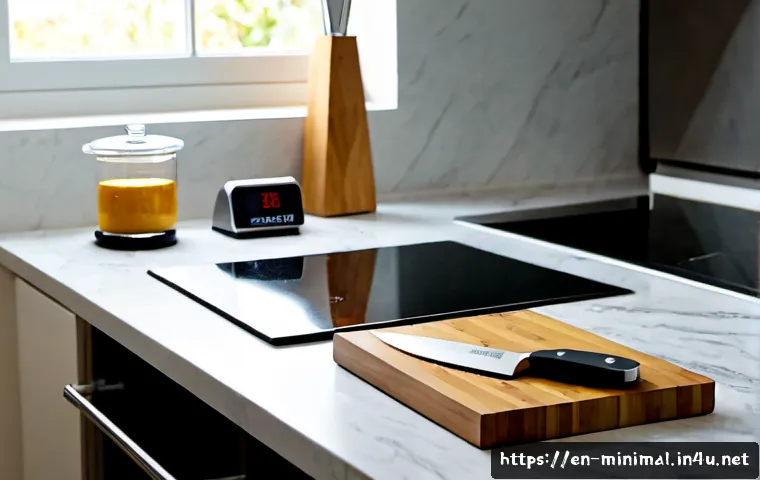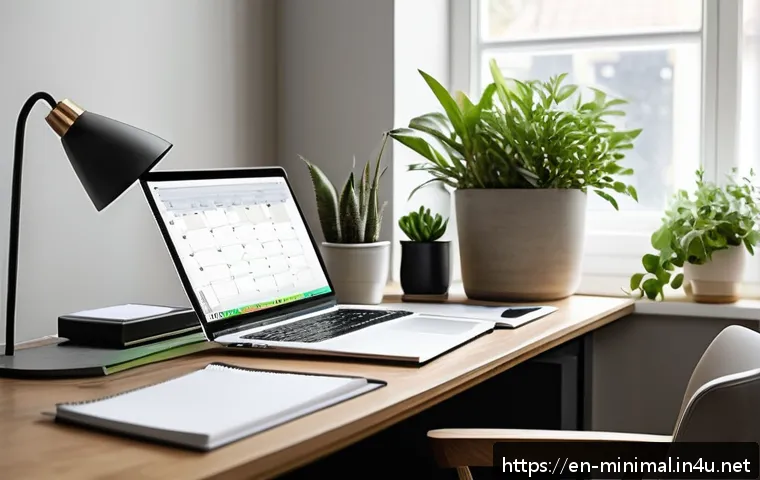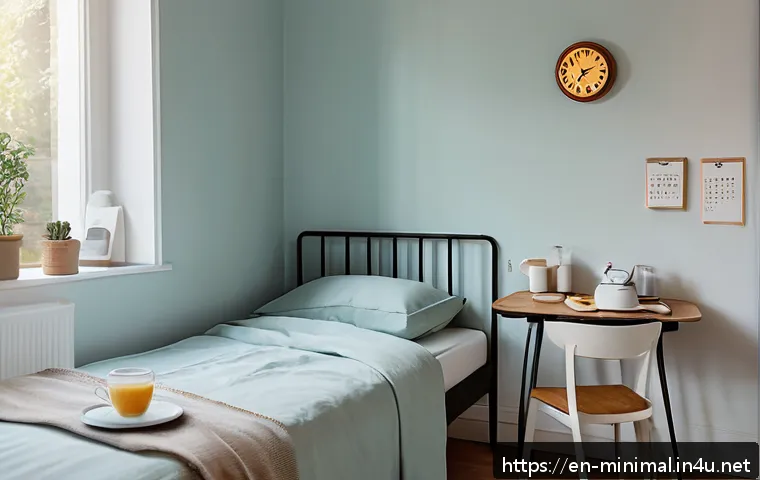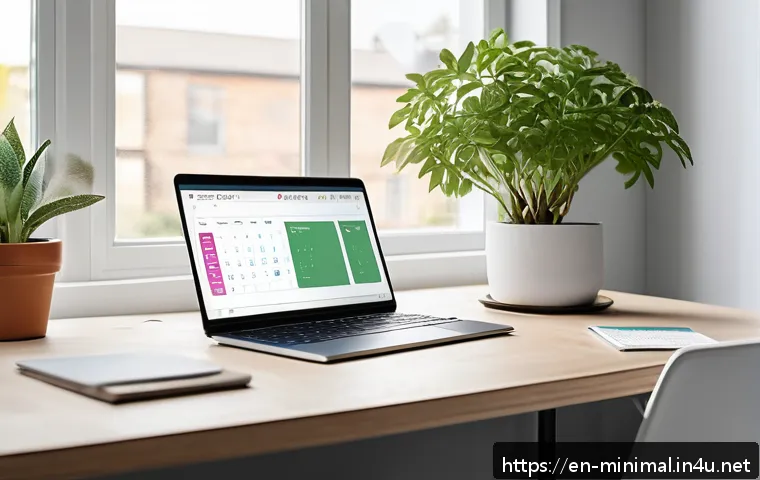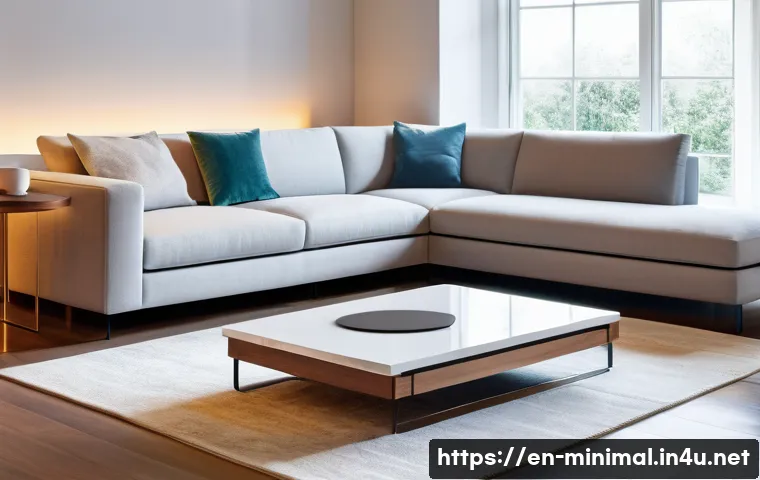
Embracing a minimalist lifestyle means simplifying your space and focusing on what truly matters. Smart home devices perfectly complement this approach by streamlining daily routines and reducing clutter through automation.

From voice-controlled assistants to energy-efficient lighting, these gadgets create a seamless living experience without overwhelming your environment.
I’ve noticed how integrating just a few smart tools can transform the way I manage my home, making life more efficient and enjoyable. If you’re curious about how to combine minimalism with the latest tech, we’ll explore the best strategies and devices in detail below.
Let’s dive in and discover how smart homes can elevate your minimalist journey!
Enhancing Daily Convenience with Voice-Activated Devices
Hands-Free Control for Effortless Living
One of the most noticeable shifts in my home since adopting smart technology has been the sheer ease of voice commands. Instead of fumbling with switches or hunting for remotes, I simply say, “Turn on the lights” or “Play my morning playlist,” and it happens instantly.
This hands-free control isn’t just a cool trick—it genuinely reduces friction in daily routines, especially when my hands are full or I’m in another room.
It’s like having a personal assistant who never forgets a task or gets tired.
Customizing Routines for Personal Flow
What blew me away was how customizable these voice assistants are. I set up morning routines that gradually brighten the lights, start my coffee maker, and read out the day’s weather and news.
At night, a simple “Goodnight” command dims the lights and locks the doors. This level of personalization means my smart home adapts to my lifestyle, not the other way around.
It creates a rhythm that feels natural and unobtrusive, perfectly in line with a minimalist mindset.
Privacy Considerations and Trust
Of course, having devices constantly listening raises valid privacy concerns. I made sure to research and choose brands with strong data protection policies and built-in privacy controls.
Regularly muting the microphone and managing permissions has become part of my routine, giving me peace of mind without sacrificing convenience. This balance of trust and tech enhances my confidence in using these smart tools daily.
Streamlining Home Environment with Smart Lighting Solutions
Energy Efficiency Meets Mood Setting
Switching to smart lighting was a game-changer in reducing both clutter and energy bills. These bulbs adjust brightness and color temperature based on time of day or activity, providing the perfect ambiance without needing multiple lamps or fixtures.
For instance, in the evening, warmer tones help me unwind, while bright, cool light keeps me alert during work hours. This eliminates the need for extra decorative lights, keeping my space clean and purposeful.
Automation for Ultimate Simplicity
I programmed motion sensors and timers so lights automatically turn off when rooms are empty, which feels like magic but is just smart technology doing its job.
This automation not only saves electricity but also eliminates the nagging thought of whether I left a light on somewhere. It’s a small tweak that massively reduces mental clutter and supports sustainable living, a core value in my minimalist journey.
Integration with Other Smart Devices
The best part is how these lights seamlessly integrate with other smart home products. For example, when I lock the front door, the system dims all lights and sets the thermostat to night mode.
This interconnectedness means fewer manual adjustments and a more cohesive living environment, allowing me to focus on what truly matters without being bogged down by endless switches or apps.
Optimizing Space and Function with Smart Storage Solutions
Intelligent Inventory Management
Smart storage might sound futuristic, but it’s surprisingly practical. I use smart bins and shelves that monitor contents and send alerts when supplies run low.
This has prevented multiple trips to the store for forgotten essentials and eliminated overstocking, which often clutters my cabinets. Knowing exactly what I have at a glance keeps my kitchen and pantry streamlined and efficient.
Multi-Functional Furniture with Embedded Tech
Incorporating furniture that doubles as smart storage or charging stations has helped me maintain a clutter-free environment. For example, a coffee table with built-in wireless charging pads and hidden compartments lets me stash away gadgets and cables neatly.
This combination of functionality and minimal design aligns perfectly with my goal of reducing visible distractions and keeping surfaces clear.
Space-Saving Automation Features
I also invested in motorized storage units that open or close with a simple app command or voice prompt. This might sound extravagant, but in smaller spaces, it’s a game changer.
These units create the illusion of more space by tucking away items instantly, supporting a minimalist aesthetic without sacrificing accessibility or convenience.
Maintaining Comfort and Security with Smart Climate and Safety Devices
Adaptive Climate Control
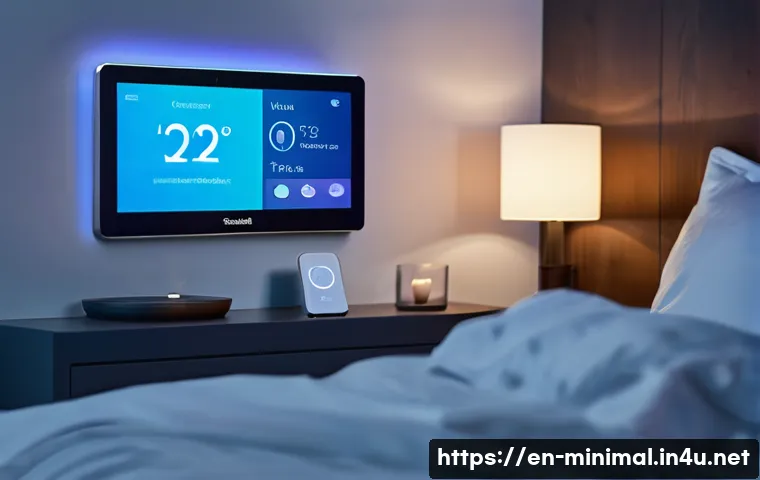
One of my favorite upgrades has been a smart thermostat that learns my schedule and preferences over time. Instead of manually adjusting temperature settings, the system optimizes heating and cooling for comfort and energy savings.
On chilly mornings, my home is warm and inviting before I even get out of bed, while on hot days, the air conditioning kicks in just in time. This adaptability makes life easier and reduces the need for multiple bulky units or fans.
Seamless Security Monitoring
Smart security cameras and doorbells provide peace of mind without overwhelming the space with traditional bulky equipment. I can check live feeds or receive alerts on my phone instantly, which is invaluable when I’m away.
The discreet design of these devices fits neatly into my minimalist décor, proving that safety and style don’t have to be mutually exclusive.
Emergency Preparedness Simplified
Integrating smoke detectors, carbon monoxide sensors, and leak detectors into my smart system ensures I’m instantly notified of any hazards. These devices work silently in the background, maintaining safety without adding visual clutter.
Knowing that my home is monitored continuously helps me relax and focus on daily life, a huge win for a minimalist who values both calm and security.
Creating a Cohesive Ecosystem Through Device Compatibility
Choosing Brands that Play Well Together
I quickly learned that not all smart devices are created equal when it comes to compatibility. Selecting products that communicate seamlessly via common platforms like Apple HomeKit, Google Home, or Amazon Alexa dramatically simplifies setup and everyday use.
This reduces frustration and eliminates the need for multiple apps, which can clutter your phone and your mind.
Centralized Control for Simplified Management
Using a single app or voice assistant to control lighting, climate, security, and entertainment creates a streamlined user experience. I no longer juggle between different interfaces or remember various passwords.
This centralization enhances my minimalist lifestyle by reducing digital noise and making smart home management intuitive and efficient.
Future-Proofing Your Minimalist Smart Home
Thinking ahead, I prioritize devices that offer regular software updates and support for emerging standards. This means my smart home can evolve without the need for constant hardware replacements, saving money and reducing electronic waste.
It also means I can add new gadgets without worrying about compatibility issues, keeping my setup fresh and clutter-free.
Cost and Efficiency Comparison of Popular Smart Home Devices
| Device Type | Average Cost | Energy Efficiency Impact | Ease of Use | Recommended For |
|---|---|---|---|---|
| Voice-Activated Assistants | $50 – $150 | Moderate (depends on connected devices) | Very Easy | Daily convenience, routine automation |
| Smart Lighting Systems | $20 – $70 per bulb | High (LED + automation) | Easy | Ambiance, energy saving |
| Smart Thermostats | $120 – $250 | Very High (adaptive control) | Moderate | Climate control, energy bills |
| Smart Security Cameras | $100 – $300 | Low (standby energy use) | Moderate | Home safety, remote monitoring |
| Smart Storage Solutions | $50 – $400 | Neutral | Varies | Inventory management, space optimization |
Reducing Digital Clutter with Minimalist Smart Home Practices
Limiting Device Overload
It’s tempting to buy every new gadget, but I’ve found that less is more when it comes to maintaining a calm environment. By carefully selecting devices that serve multiple functions or integrate well with existing ones, I avoid overwhelming my space with unnecessary tech.
This restraint keeps both my physical and mental space uncluttered.
Streamlining Notifications and Alerts
Smart devices often come with a barrage of notifications that can quickly become distracting. I customize alert settings to only receive essential updates, such as security alerts or critical maintenance reminders.
This selective approach helps maintain focus and reduces the stress of constant digital interruptions.
Regular Maintenance and Updates
Keeping smart devices updated and periodically reviewing their usefulness prevents tech from becoming outdated clutter. I schedule quarterly check-ins to delete unused apps, update firmware, and assess whether any device no longer fits my lifestyle.
This ongoing care ensures my smart home remains an asset rather than a burden.
Closing Thoughts
Integrating smart devices into daily life has truly transformed how I manage convenience, comfort, and efficiency at home. These tools create a seamless, personalized experience that adapts to my lifestyle, reducing stress and saving time. While technology requires mindful use to protect privacy and avoid clutter, the benefits far outweigh the challenges. Embracing a minimalist smart home approach brings both simplicity and sophistication to everyday living.
Useful Tips to Keep in Mind
1. Choose smart devices that offer multi-functionality to reduce unnecessary gadgets and keep your space uncluttered.
2. Regularly update your devices and apps to ensure security, compatibility, and smooth performance.
3. Customize notification settings to receive only essential alerts, minimizing distractions throughout your day.
4. Prioritize brands and platforms that integrate well with each other to simplify control and management.
5. Balance convenience with privacy by using built-in controls and regularly managing device permissions.
Key Takeaways
Smart home technology enhances daily living by offering hands-free convenience, energy-efficient solutions, and improved security without compromising a minimalist aesthetic. Selecting compatible, adaptable devices and maintaining them thoughtfully ensures a cohesive and future-proof ecosystem. Most importantly, mindful integration helps maintain both physical and digital order, making smart homes truly supportive and stress-free environments.
Frequently Asked Questions (FAQ) 📖
Q: How can smart home devices help simplify a minimalist lifestyle?
A: Smart home devices streamline daily tasks by automating routine activities, which reduces the need for multiple gadgets and physical clutter. For example, a single voice-controlled assistant can manage lighting, play music, and control temperature, eliminating the need for separate remotes or switches.
This consolidation supports minimalism by focusing on functionality without overwhelming your space.
Q: What are some beginner-friendly smart devices that fit well with a minimalist home?
A: Starting with a smart speaker like Amazon Echo or Google Nest Hub is a great idea because it offers multiple features in one compact device. Pairing it with smart bulbs or plugs can further simplify your environment by allowing you to control lighting and appliances remotely.
These devices are easy to set up, don’t require complex wiring, and keep your home looking clean and uncluttered.
Q: Are smart home devices energy-efficient and do they really help reduce utility bills?
A: Absolutely! Many smart devices are designed with energy efficiency in mind. For instance, smart thermostats learn your schedule and adjust heating or cooling accordingly, which can significantly cut energy usage.
Similarly, smart lighting can be programmed to turn off when rooms are empty. From my own experience, integrating these tools noticeably lowered my monthly bills while making my home more comfortable.