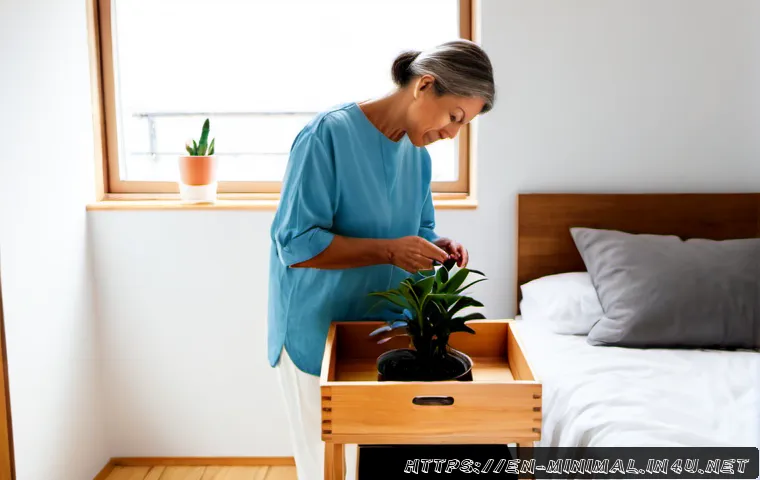
You can experience minimalist living without buying organizers, renting storage, or getting rid of most of what you own. Start with one small area or routine, then keep only the changes that make your space, spending, or attention feel more intentional.

A minimalist lifestyle is personal, so a renter, a family, and a frequent mover may each make very different choices. Free self-guided decluttering is often enough for a first experiment, while workshops, professional organizers, and storage services can be useful in specific situations.
The best option depends on your available time, privacy needs, household agreement, and the type of clutter you are dealing with. Think of this as a practical trial, not a strict lifestyle rule.
At a Glance
- Minimalist living means making intentional choices about your time, space, and spending—not reaching a fixed item count.
- Try one small reset before buying storage products, furniture, or replacement items.
- Workshops, organizing services, and storage can be useful, but their value depends on your situation and local terms.
| Option | Best Use Case | Time Commitment | Typical Cost Factors | Main Limitation |
|---|---|---|---|---|
| Self-guided reset | Testing minimalist living in one room, category, or routine | Flexible; you set the pace | Usually no service cost; donation, recycling, or disposal needs may vary | Requires personal motivation and decision-making |
| Workshop or community event | Learning methods, meeting others, or exchanging usable items | Scheduled session or event | Event format, materials, and local access may affect cost | May not address your specific home or household decisions |
| Professional organizer | Complex spaces, time pressure, moving, or accountability needs | Depends on project scope and service structure | Scope, hourly structure, disposal support, and follow-up services | Service quality, privacy practices, and pricing vary |
What a Minimalist Lifestyle Experience Actually Looks Like
The goal is intentional use of space, money, and attention
Minimalism is commonly understood as focusing your resources on what you value most. That may mean fewer unused kitchen tools, fewer recurring subscriptions, or a calendar with more breathing room. It does not require an empty-looking home or a dramatic donation day. The useful question is not “Do I own too much?” but “Does this item, expense, or commitment still serve a purpose?”
A small experiment is more useful than copying someone else’s home
A minimalist home can look different across budgets, cultures, living arrangements, and family needs. Copying a highly edited online space may lead to rushed decisions or unnecessary replacement purchases. Instead, choose one change you can observe: a clearer entryway, a simpler wardrobe rotation, or a reduced set of digital notifications. Notice whether the change makes daily use easier before expanding it.
Three quick ways to begin this weekend
- Clear one frequently used surface and return only the items you use there.
- Review one recurring subscription or digital service and decide whether it still fits your priorities.
- Create a short “use later” box for items you are unsure about instead of making an instant discard decision.
Keep the first session short. A small completed area is often more useful than starting an entire home project and leaving it unfinished.
Compare Ways to Try Simpler Living Before Spending Money
Self-guided room reset: lowest cost, highest personal effort
A self-guided reset is a practical starting point if you can make decisions at your own pace. Pick a drawer, shelf, closet section, or digital folder. Separate what you use from what you no longer need, then check local options for donation, resale, recycling, or disposal. This approach gives you the most control, but it also requires you to create your own deadlines and follow through.
Minimalism workshops and community swap events: learning through shared experience
A workshop can help if you want structure, ideas, or a shared learning experience. Community swap events may also provide a way to pass along usable belongings without treating everything as waste. Before attending, check the event’s purpose, what items are accepted, and whether it is focused on education, exchange, or hands-on organizing. Do not assume every event accepts every category of item.
Professional organizing support: when expertise and accountability may be worth the cost
A professional organizer may be worth considering when the project feels difficult to start, a move is approaching, or several household members need a workable system. Some organizers focus on sorting and space planning, while others may offer packing, donation coordination, or move-related support. Their service scope and pricing structure can differ, so ask what is included before committing.
Comparison table: time, cost factors, privacy, and expected outcomes
| Decision Factor | Self-Guided | Workshop or Event | Professional Organizer |
|---|---|---|---|
| Privacy | Highest; you work alone or with your household | Usually shared learning or public participation | Requires inviting outside support into your space or planning process |
| Accountability | Self-created | May come from a schedule or group setting | May come from appointments, plans, and follow-up |
| Expected outcome | A manageable test of your own habits | New ideas and a broader perspective | A tailored process based on the agreed service scope |
A Practical Step-by-Step Plan for Your First Minimalism Experiment
Choose one space, category, or routine instead of your entire home
Start with a place that causes repeated friction: a crowded counter, an overfilled bag, a bathroom cabinet, or an inbox. Avoid beginning with highly sentimental belongings if you are new to decluttering. A narrow goal reduces decision fatigue and helps you see what actually changes afterward.
Sort items into keep, use later, donate, sell, recycle, and dispose
Use clear categories so every item has a next step. “Keep” should mean it has a current role. “Use later” can be a temporary category for uncertain decisions. For donation, resale, recycling, and disposal, check local acceptance rules and item condition requirements first. An item’s resale value and platform eligibility are never guaranteed.
Track what feels easier after seven to thirty days
Observe the result rather than judging the number of items removed. Is the area easier to clean? Can you find daily essentials faster? Did you stop making duplicate purchases? You may decide to keep more than you expected, or you may identify another category that no longer fits your life. Both outcomes can be useful.
Common Mistakes That Make Decluttering More Expensive or Stressful
Buying bins, furniture, or storage before editing possessions
Storage products can be helpful after you know what you truly need to keep. Buying bins, shelves, or larger furniture first can simply organize excess items into a more expensive form of clutter. Reduce and review before comparing home organization products.
Discarding useful items without checking local donation and recycling rules
Donation rules, recycling access, and disposal requirements vary by location and item condition. Contact local organizations or review official guidance before transporting a large load. This can prevent wasted trips and help you choose a more responsible route for belongings that cannot be donated.
Treating sentimental belongings or shared possessions as quick decisions
Sentimental items often need more time than everyday clutter. Shared household belongings also require agreement. Avoid removing another person’s possessions without permission, even when the item seems unused. A labeled review box or a scheduled conversation is usually safer than a rushed decision.
Replacing discarded items too quickly

After a decluttering session, it can be tempting to buy matching containers, new décor, or “minimalist” replacements. Pause first. Use the space as it is for a while, then purchase only what solves a clear and ongoing problem.
Choose a Minimalism Path That Fits Your Living Situation
Renters and small-space homes
Focus on portable systems and daily-access areas. A renter may benefit more from reducing duplicate items and improving cabinet access than from buying permanent storage furniture. Keep changes flexible enough to move with you.
Families and shared households
Use shared rules for shared spaces, but leave room for personal preferences. Start with an agreed category such as expired pantry items, duplicate cleaning supplies, or a common entryway. The goal is not to make every room look the same; it is to make routines easier for the people using them.
Frequent movers and people preparing for a move
A move can reveal what has been stored rather than used. Sort by what you want to pack, what can be passed on, and what requires local recycling or disposal. If considering a storage facility, compare the purpose of storage with the likely duration and the practical value of the items being stored.
Digital overload, subscriptions, and busy schedules
Minimalism can also involve attention. Review recurring subscriptions, unread emails, app notifications, and calendar commitments. Canceling or changing a service should be based on your own needs and contract terms, so review account details before making changes.
Choosing the Right Support and Comparing Your Options
When free, self-guided methods are enough
Self-guided methods are often enough when you have a small, defined area and can work gradually. Use a simple sorting method, a local donation check, and a short review period. This is also the best way to learn whether minimalist habits suit your household before spending on support.
When a workshop, organizer, or storage solution may make sense
A workshop may suit you if you want ideas and a scheduled starting point. An organizer may suit you when time, complexity, accountability, or move preparation is the bigger challenge. Storage may have a role when there is a clear temporary need, but it should not automatically replace a decision about unused belongings.
Questions to ask before paying for organizing or storage services
- What is included in the service scope?
- How is the service structured: by hour, session, project, or another format?
- What happens to items set aside for donation, recycling, resale, or disposal?
- How will privacy and household preferences be handled?
- What ongoing costs, access conditions, or cancellation terms apply?
Final checklist: value, convenience, privacy, and long-term habits
Choose the option that solves your actual problem, not the option that looks most dramatic. Consider whether it saves time, supports your privacy, fits your budget, and can be maintained after the service or event ends.
Decision Criteria and Comparison Summary
Before paying for help, check project size, time pressure, privacy needs, household agreement, and what happens to removed items. A self-guided reset is usually the simplest first step. If you need structure or specialized help, compare local organizers by scope, hourly structure, and disposal policy. For workshops, storage facilities, or sustainable home goods, review the official details and terms on the relevant page before choosing.
Final Thoughts
Minimalist living does not have to mean owning as little as possible. It can begin with one practical decision about what deserves space in your home, budget, or schedule. Start small, avoid rushed disposal, and let real daily use guide your next step. The most sustainable version is the one that fits your household rather than someone else’s aesthetic.
Useful Information to Keep in Mind
1. Donation acceptance can depend on item condition and local policy.
2. Recycling options differ by area and material type.
3. Resale is not guaranteed, even for items in good condition.
4. Digital subscriptions and calendar commitments can be part of a simpler-living reset.
5. Storage is a service decision, not a substitute for reviewing what you own.
Important Notes
There is no universal number of possessions that defines minimalism. Decluttering does not guarantee improved finances, productivity, or well-being for every person. Local prices, organizer availability, workshop quality, storage terms, and donation policies should be confirmed directly before you spend money or arrange item removal.
Frequently Asked Questions
Q1. Do I need to get rid of most of my belongings to experience minimalist living?
A1. No. You can experience minimalist living by making more intentional choices about a single space, routine, expense, or commitment. The goal is to keep what supports your life, not to meet a fixed item count.
Q2. Is it worth paying for a professional organizer when trying to live more minimally?
A2. It may be worth considering if the project is complex, time-sensitive, or difficult to begin alone. Compare local organizers by service scope, hourly structure, privacy practices, and their policy for donation, recycling, or disposal support.
Q3. What is the cheapest way to start decluttering without buying storage products?
A3. Choose one small area and sort what is already there into keep, use later, donate, sell, recycle, and dispose. Use boxes or bags you already have temporarily, and check local acceptance rules before taking items away.