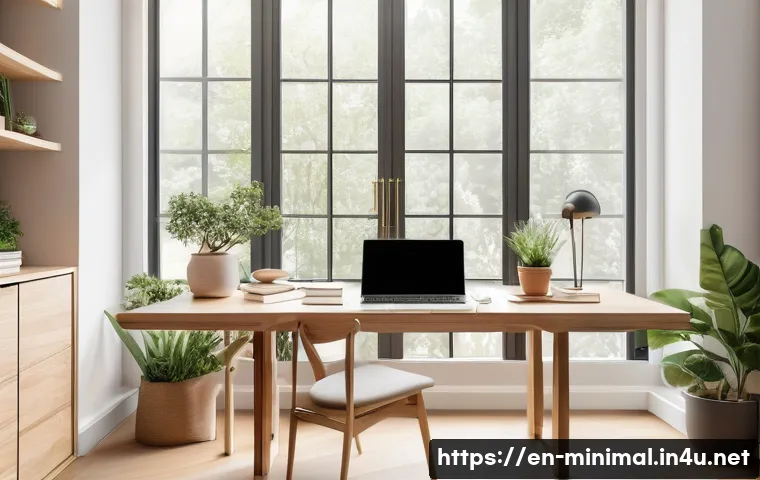
In today’s fast-paced world, finding moments of calm and clarity can feel nearly impossible. Embracing a minimalist lifestyle offers a refreshing way to simplify your surroundings and mind, even when your schedule is jam-packed.

By focusing on what truly matters, you can reduce stress and boost productivity without sacrificing your daily commitments. Many have discovered that minimalism isn’t about giving up, but about gaining more freedom and intention.
Ready to transform your busy life into a more balanced one? Let’s dive in and explore how you can make minimalism work for you!
Creating Space for What Truly Matters in a Hectic Schedule
Identifying Essential Priorities Amidst Chaos
When your days are packed from dawn till dusk, it’s easy to lose sight of what genuinely deserves your time and energy. I found that taking a step back to list out my core values and immediate goals helped me filter out unnecessary tasks.
This isn’t about doing less for the sake of it but doing less of what doesn’t align with your priorities. For example, instead of scrolling endlessly through social media during breaks, I started dedicating those minutes to reading a book or journaling—small shifts that brought surprising calm.
It’s like clearing clutter from your mind by clearing clutter from your schedule.
Streamlining Daily Routines for Maximum Efficiency
I’ve personally experienced how optimizing routines can free up mental bandwidth. Simple habits, like prepping meals the night before or setting out clothes in the morning, eliminate decision fatigue.
Another trick is batching similar tasks—answering emails in one go rather than sporadically throughout the day. This method keeps your focus sharp and prevents your brain from constantly switching gears.
Although it takes a bit of upfront effort, the payoff in reduced stress and more flow in your day is immense.
Learning to Say No Without Guilt
Saying no is a muscle that many of us never exercise enough, especially when juggling numerous commitments. I used to feel guilty declining invitations or additional responsibilities, fearing I’d disappoint others.
But embracing minimalism taught me that protecting my time is crucial for my well-being and productivity. When you say no to distractions, you say yes to your deeper goals.
It’s empowering to realize that your time is your most valuable asset—and you get to decide how it’s spent.
Designing Your Environment to Support Calm and Focus
Decluttering Physical Spaces to Ease Mental Load
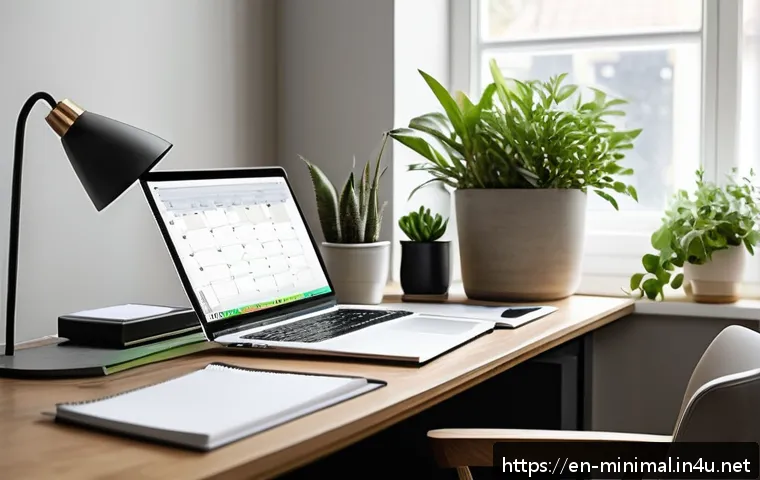
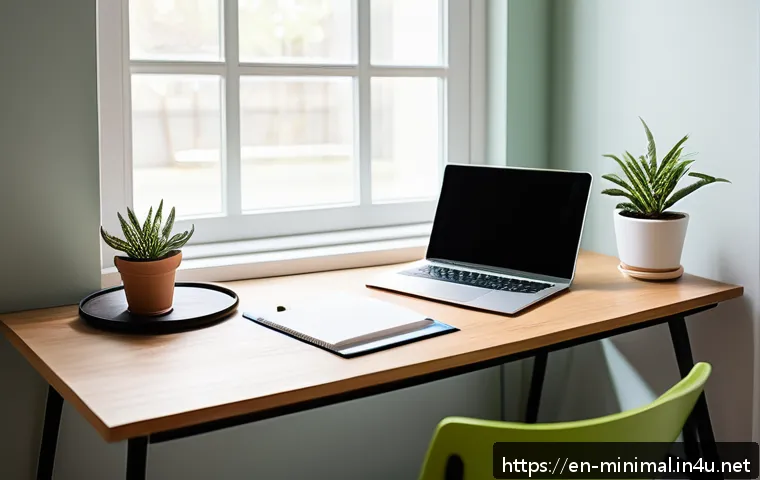
One of the most tangible ways I embraced minimalism was by decluttering my living and workspaces. It’s remarkable how a clean desk or a simplified room can reduce anxiety and foster concentration.
I started small—clearing off one drawer or one shelf at a time, which made the process less overwhelming. Over time, this created a peaceful backdrop for my busy life, where I could think clearly and feel in control rather than scattered.
Incorporating Nature and Mindful Elements
Bringing elements of nature indoors, like houseplants or natural light, made a noticeable difference in my mood and productivity. I read that natural surroundings help reduce stress hormones, and I felt that firsthand during busy weeks when I’d pause to water a plant or open a window for fresh air.
Adding a few mindful touches—like a small meditation corner or calming scents—can ground you when life feels rushed. These subtle changes create a sanctuary within your everyday environment.
Technology Management to Minimize Distractions
Technology can be both a blessing and a curse. I learned to harness its benefits by setting boundaries, such as turning off non-essential notifications or using apps that limit screen time.
Creating “tech-free” zones or times in your day can help maintain focus and prevent burnout. For me, this meant no phone at the dining table or an hour before bed, which improved sleep quality and mental clarity significantly.
Building Intentional Habits That Stick
Starting Small for Sustainable Change
Jumping into minimalism all at once can feel daunting, especially with a jam-packed calendar. I found that introducing tiny, manageable habits—like tidying for five minutes each evening—made the transition feel achievable.
These small wins build momentum and eventually lead to bigger lifestyle shifts without overwhelming your mental space or schedule.
Using Mindfulness to Stay Present
Busy days often blur together, leaving you feeling disconnected. Practicing mindfulness, even for a few minutes, helped me reconnect with the present moment and reduce stress.
Simple techniques like focused breathing or a brief body scan during breaks allowed me to reset and approach tasks with fresh energy. This habit helped me avoid burnout and kept my productivity steady, even on the busiest days.
Tracking Progress and Celebrating Wins
Keeping track of your minimalist journey, whether through journaling or apps, can motivate you to stay consistent. I like noting down what changes made the biggest impact or how my mood improved after decluttering a specific area.
Celebrating these small victories reinforces positive habits and reminds you that minimalism is a rewarding process, not a rigid set of rules.
Mastering Time Management Through Minimalism
Prioritizing Tasks with Purpose
Effective time management is a cornerstone of living minimally in a busy life. I started using methods like the Eisenhower Matrix, which categorizes tasks by urgency and importance.
This approach helped me focus on what genuinely moves the needle rather than getting caught up in trivial busywork. It also reduced my tendency to procrastinate since I had a clear sense of what deserved immediate attention.
Embracing Flexibility Without Losing Focus
Rigid schedules can backfire when life throws curveballs, so I learned to build flexibility into my minimalist approach. Having buffer times and setting realistic goals for the day allowed me to adapt without feeling stressed or off track.
This mindset shift was liberating because it acknowledged that productivity isn’t about perfection—it’s about consistent, intentional progress.

Leveraging Tools to Simplify Planning
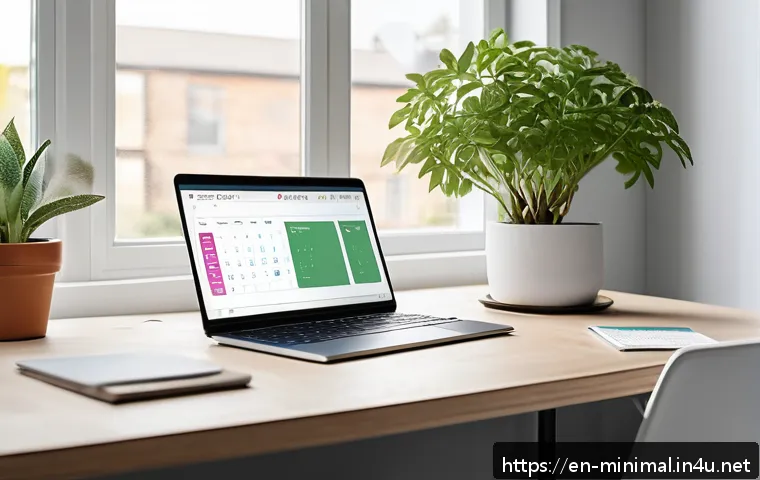
Using digital calendars, task management apps, or even simple planners made a significant difference in organizing my day. I experimented with different tools until I found what fit my style—something straightforward and not overwhelming.
The key is to avoid overcomplicating your system; it should serve you, not consume your time. This streamlined planning boosted my confidence in managing a hectic schedule with ease.
Understanding the Psychological Benefits of Minimalism
Reducing Anxiety Through Simplicity
One of the most profound effects I noticed was a decrease in anxiety levels as I simplified my surroundings and commitments. When your environment is cluttered or your schedule is overloaded, it’s easy to feel overwhelmed.
Minimalism helps by creating a sense of order and control, which calms the nervous system. This psychological shift makes it easier to face daily challenges with a clearer, more relaxed mindset.
Enhancing Creativity and Focus
With fewer distractions and a calmer mental state, I found that my creativity flourished. Minimalism opened up mental space for new ideas and problem-solving.
When your brain isn’t bogged down by clutter or constant task-switching, you can dive deeper into work or hobbies that bring joy and fulfillment. This boost in focus and creativity often spills over into other areas of life, improving overall satisfaction.
Strengthening Emotional Resilience
Living minimally taught me to let go of attachment to things and outcomes, which strengthened my emotional resilience. When you focus on what truly matters, trivial stresses lose their power.
This perspective shift helps you bounce back faster from setbacks and maintain a positive outlook, even in busy or challenging times.
Comparing Minimalism Strategies for Busy Individuals
| Strategy | Key Benefits | Practical Tips | Potential Challenges |
|---|---|---|---|
| Decluttering Physical Space | Reduces visual stress, improves focus | Start with one area, donate unused items | Emotional attachment to belongings |
| Time Blocking | Enhances productivity, limits multitasking | Schedule specific tasks in dedicated time slots | Requires discipline to stick to schedule |
| Mindful Technology Use | Decreases distractions, improves sleep | Turn off notifications, set tech-free zones | Temptation to check devices frequently |
| Batching Similar Tasks | Increases efficiency, reduces task-switching | Group emails, calls, or errands together | May feel monotonous initially |
| Setting Boundaries | Protects time, reduces overwhelm | Learn to say no, communicate limits clearly | Fear of disappointing others |
Maintaining Minimalism Long-Term in a Busy Lifestyle
Creating Rituals That Reinforce Simplicity
Sustaining minimalism isn’t about a one-time purge but about building rituals that keep your life streamlined. For me, weekly check-ins to reassess my commitments and clear clutter were game changers.
These small rituals act like regular tune-ups, ensuring that I don’t slip back into old habits even when life gets hectic.
Adapting Minimalism to Changing Circumstances
Life is dynamic, and so is minimalism. I realized that what works during a busy work season might need tweaking when personal demands rise. Flexibility in your minimalist practices allows you to stay balanced without feeling pressured to maintain a rigid lifestyle.
This adaptability makes minimalism sustainable and relevant across different phases of life.
Seeking Community and Support
Connecting with others who embrace minimalism helped me stay motivated and inspired. Sharing tips, challenges, and successes creates a sense of accountability and belonging.
Whether through online groups, local meetups, or friends who share similar values, having a support system makes the journey less lonely and more enjoyable.
Wrapping Up
Creating space for what truly matters amid a hectic schedule is both an art and a practice. By focusing on priorities, designing supportive environments, and building intentional habits, you can reclaim your time and peace of mind. Remember, minimalism isn’t about perfection but about meaningful progress that enhances your well-being and productivity. Embrace these strategies to live more intentionally and enjoy the calm within the chaos.
Useful Tips to Keep in Mind
1. Start small by introducing manageable habits like brief daily tidying to avoid overwhelm and build momentum.
2. Use tools like digital calendars or task apps to simplify planning without complicating your routine.
3. Practice saying no confidently to protect your time and focus on what truly matters.
4. Incorporate natural elements and mindfulness to create a calming environment that supports your mental clarity.
5. Regularly review and adjust your minimalist practices to stay balanced through life’s changing demands.
Key Takeaways
Living minimally in a busy life requires intentional prioritization, streamlined routines, and setting clear boundaries to protect your time. Simplifying your physical and digital environments reduces distractions and anxiety, fostering greater focus and creativity. Sustainable minimalism depends on flexibility, consistent rituals, and community support to maintain balance and resilience. Ultimately, it’s about making space for what truly enriches your life and well-being.
Frequently Asked Questions (FAQ) 📖
Q: How can I start practicing minimalism if I have a hectic daily schedule?
A: Starting minimalism amid a busy life is totally doable and actually quite freeing. Begin by identifying one small area to declutter, like your workspace or your digital files.
Even dedicating just 10 minutes a day to tidy up can make a noticeable difference. I found that setting realistic, bite-sized goals helped me avoid overwhelm and stay consistent.
The key is to focus on what truly adds value to your day, so you gradually shift your mindset toward quality over quantity without disrupting your routine.
Q: Will adopting a minimalist lifestyle mean giving up things I enjoy?
A: Not at all! Minimalism isn’t about sacrificing joy; it’s about making intentional choices. When I embraced minimalism, I realized it freed me to spend more time on activities and possessions that genuinely matter to me, rather than being weighed down by clutter.
It’s about cutting out distractions and excess, so you can fully enjoy what you keep. You might find that your favorite hobbies and relationships actually become richer because you have more time and mental space to invest in them.
Q: How does minimalism help reduce stress and improve productivity?
A: From my experience, minimalism creates a calmer environment, which naturally lowers stress levels. When your surroundings are clutter-free, your mind feels less scattered and more focused.
This clarity helps you prioritize tasks better and avoid decision fatigue. I noticed that with fewer distractions, I could complete work more efficiently and felt less overwhelmed by daily demands.
It’s like giving your brain a chance to breathe and recharge, leading to a more balanced, productive life.