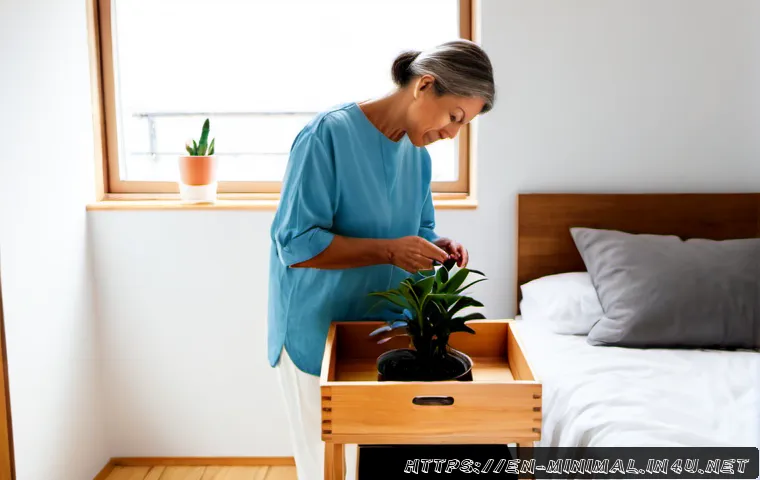
The simplest minimalist decluttering method is to keep what you use, set a limit for each category, and release the rest through the right exit route.
Start with everyday items, not sentimental belongings, and choose storage only after you know what truly needs a home. This approach helps you avoid buying organizers that become clutter themselves.
It also reduces the chance of getting rid of something that would be difficult or inconvenient to replace. Minimalism is not a fixed item count; it is a practical way to make your space easier to use.
The best system is one that fits your home, responsibilities, and available space.
At a Glance
- Use: Keep items you use regularly, need for safety, or rely on for work and caregiving.
- Limit: Give each category a realistic container, shelf, drawer, or designated space.
- Release: Donate, sell, recycle, dispose of, or replace items based on condition and local options.
| Option | Best When | Key Check Before Deciding |
|---|---|---|
| Keep | You use it often or it serves an important purpose. | Would its absence create a real problem? |
| Store | It has a defined use but does not need daily access. | Do you have available space without crowding essentials? |
| Donate | It is usable but no longer fits your household. | Is it clean and in condition that another person can use? |
| Sell | The item is in good condition and worth the effort to list. | Do you have time to photograph, communicate, and arrange pickup? |
| Recycle or dispose | The item is worn, broken, or unsuitable for donation. | What do local recycling and disposal rules allow? |
| Replace | A needed item is unsafe, unreliable, or no longer practical. | Can one durable, multipurpose item cover the need? |
Start With the Essentials You Actually Use
Minimalism works best when you sort by category, not by moving random objects from one room to another. Gather similar items together: toiletries, mugs, cables, towels, clothing, or cleaning supplies. Seeing the full amount makes duplicates easier to notice.
Use the 90-Day and Seasonal-Use Check Without Rigid Rules
Ask whether you have used an item in roughly the last 90 days. This is a helpful prompt, not a rule. Seasonal clothing, holiday supplies, and weather-specific gear may have a clear purpose even when they are not used every month. The useful question is: When will I realistically use this again?
Separate Daily Necessities From “Just in Case” Duplicates
Keep the items that support your daily routine first. Then review backups. A spare may be useful, but several identical extras can take up space without adding convenience. Before removing a duplicate, consider replacement difficulty, available space, and whether it is genuinely needed for your household.
Make Exceptions for Safety, Work, Caregiving, and Special Equipment
Do not force essential items into a minimalist rule. Safety supplies, work tools, caregiving equipment, and specialized gear deserve their own review. Their value may not come from frequent use. It may come from being available when needed.
Compare Your Options Before You Throw Anything Away
Decluttering is not the same as throwing everything out. A clear exit decision protects useful belongings from rushed removal and helps keep donation and recycling routes more responsible.
Keep, Store, Donate, Sell, Recycle, or Replace: A Simple Decision Table
Use the comparison table above as a pause point. If an item is usable but does not serve your home, donation may make sense. If it is in good condition and you are willing to manage the process, resale can be an option. If it is damaged, check local recycling or disposal guidance rather than assuming it belongs in a donation bag.
When Storage Is Worth Paying For—and When It Only Hides Clutter
Storage is useful when it protects a defined group of items that you intend to use. It becomes unhelpful when it is purchased to avoid making decisions. Before comparing storage solutions, reduce the category first. Then choose organizers based on available space, access needs, size, and material durability.
How to Avoid Rebuying Low-Cost Items You Removed Too Quickly
Low-cost items can still be inconvenient to replace. Put uncertain items in a temporary review box instead of removing them immediately. Label the box by category and revisit it after a reasonable period. If you did not need anything inside, you can make a calmer decision about donation, resale, recycling, or disposal.
A Room-by-Room Decluttering Process That Stays Manageable
A manageable process begins with easy categories and clear limits. Avoid starting with highly sentimental collections if you are building momentum.
Begin With Low-Emotion Categories Such as Toiletries, Pantry Extras, and Duplicates
Start with items that are easy to compare. Check toiletries for duplicates, group pantry extras together, and gather repeated household tools. These categories often reveal what you already have without requiring difficult emotional decisions.
Set Container Limits for Clothing, Kitchen Tools, Papers, and Cables
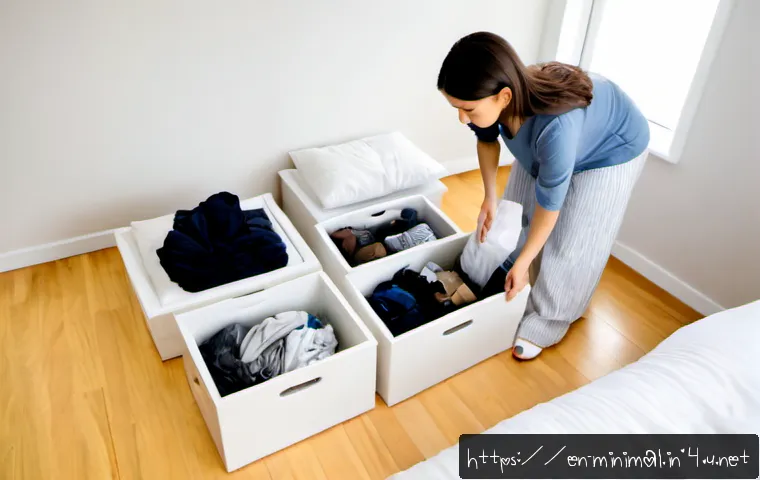
A container limit gives each category a boundary. Clothing can fit within its assigned closet or drawers. Kitchen tools can fit in a designated cabinet. Papers can have one active filing area. Cables can stay in one labeled box. If the space is full, review what is inside before adding more storage.
Create an Exit Plan for Donation Bags, Resale Items, and Recycling
Unfinished exit piles can become a second form of clutter. Keep donation bags in a short-term pickup area, separate resale items from giveaway items, and check local rules for recycling and disposal. If you consider a donation pickup service, compare service availability and item requirements before scheduling.
Common Minimalism Mistakes That Cost Time or Money
The goal is not to make a home look empty. It is to make daily life easier with fewer unnecessary purchases and fewer hard-to-find essentials.
Buying Bins, Labels, and Furniture Before Editing Your Belongings
Organizers can be helpful, but only after you know what remains. Buying bins too early may create extra clutter and unnecessary spending. First reduce the category, measure the space you plan to use, and then compare storage sizes and configurations.

Replacing Usable Items for Aesthetic Reasons
A coordinated home can be appealing, but replacing functional items simply to match a style may work against a low-consumption approach. Consider whether the current item is safe, useful, and durable before shopping for a newer version.
Keeping Broken Items Without a Realistic Repair Deadline
A broken item is not automatically clutter if you have a realistic repair plan. If repair is unlikely, decide whether responsible recycling or disposal is more suitable. Keeping it indefinitely “just in case” can consume useful space.
Adapt the Method to Your Home and Lifestyle
Your essentials should reflect how you live, not someone else’s minimalist checklist.
Small Apartments and Shared Homes: Prioritize Flexible, Compact Essentials
In a small apartment or shared home, favor items that are compact, durable, and able to serve more than one purpose. Give shared categories clear zones so household items do not spread into every room. Flexible storage solutions are most useful after each person’s belongings have been reduced.
Families: Reduce Duplicates Without Removing Useful Backup Items
Families may need practical backups for changing routines and shared use. Focus on duplicate items that no longer have a purpose rather than removing every spare. Keep essential categories accessible, and use simple limits so supplies do not expand unnoticed.
Frequent Movers: Choose Lightweight, Durable, Multipurpose Possessions
If you move often, each possession should be easy to pack, useful in different homes, or worth the effort of transporting. Lightweight and durable multipurpose household items can reduce duplicate purchases across moves. Review bulky items carefully before paying to store or transport them.
Selection Criteria and Comparison Summary
Before making a final decision, use these checks:
- Use: Does the item support your daily life, seasonal routine, safety, work, or caregiving?
- Replacement difficulty: Would replacing it be inconvenient or difficult if you needed it later?
- Space: Does it fit within a realistic container or assigned area?
- Condition: Is it suitable for continued use, donation, resale, recycling, or disposal?
- Durability: If replacing it, can one durable multipurpose option meet the need?
- Service fit: If using pickup, resale, or recycling services, are they available in your area and suitable for the item?
When comparing organizers, look at storage size, material durability, access, and the actual space you have available. For donation pickup, resale assistance, or recycling options, check the provider’s official details for accepted items, availability, and current conditions.
In Closing
A minimalist home does not require a perfect number of belongings. It requires a clear reason for what stays and a practical path for what leaves. Start with what you use, create limits that fit your space, and delay storage purchases until the excess is gone. Small, repeatable decisions are easier to maintain than one dramatic cleanout.
Useful Things to Know
1. Sort by category to see duplicates clearly.
2. Treat sentimental belongings separately from everyday items.
3. Use temporary review boxes when you are unsure.
4. Choose donation, resale, recycling, or disposal based on condition and local rules.
5. Buy organizers only after reducing what you own.
Important Notes
There is no universal number of possessions that defines minimalism. The best storage product, donation service, resale platform, or recycling route depends on your location, household needs, item condition, and available space. Check local requirements and provider details before arranging pickup, recycling, or disposal.
Frequently Asked Questions
Q1. What are the most important items to keep in a minimalist home?
A1. Keep items you use regularly, items needed for safety, work, caregiving, and equipment with a clear seasonal or specialized purpose. Focus on usefulness rather than trying to reach a specific item count.
Q2. Should I buy storage organizers before I start decluttering?
A2. Usually, no. Reduce each category first so you know what actually needs storage. Then choose organizers that fit the remaining items, your available space, and your access needs.
Q3. Is it better to donate, sell, or recycle items I no longer need?
A3. It depends on condition and local options. Usable items may be suitable for donation or resale, while worn or damaged items may require recycling or responsible disposal. Check local rules and service requirements before deciding.